THE ADVENTURE COLLECTIVE® · Independent discovery and booking for outdoor travel

A focused five-day private trek to Annapurna Base Camp that balances big Himalayan views with practical logistics. Expect teahouse stays, steep stone steps, and a summit-like sunrise at ABC after steady acclimatization.
A focused five-day private trek to Annapurna Base Camp that balances big Himalayan views with practical logistics. Expect teahouse stays, steep stone steps, and a summit-like sunrise at ABC after steady acclimatization.
The sun pries itself over serrated ridgelines as trekkers push past a final stand of rhododendron and step into the bowl of Annapurna Base Camp. Cold mountain air bites the face, prayer flags snap above tea-house rooftops, and the massif unfolds: Annapurna I, Annapurna South, Hiunchuli and the iconic fishtail of Machapuchare forming a rugged amphitheater.
Verified experiences and guided adventures in the surrounding area.
Operated by Bold Himalaya Treks and Travels Pvt Ltd · Pokhara, Gandaki Province
The sun pries itself over serrated ridgelines as trekkers push past a final stand of rhododendron and step into the bowl of Annapurna Base Camp. Cold mountain air bites the face, prayer flags snap above tea-house rooftops, and the massif unfolds: Annapurna I, Annapurna South, Hiunchuli and the iconic fishtail of Machapuchare forming a rugged amphitheater.
This five-day circuit threads centuries of Himalayan life—Gurung villages with stone houses and terraced fields—across glacially carved valleys of the Annapurna Conservation Area. Geologically, the route follows the Modi Khola drainage into an uplifted syncline where steep moraine slopes meet alpine meadows; seasonal springs and hot pools at Jhinu Danda are a reminder of subsurface heat and tectonic activity.
Culturally, the trek offers steady windows into local hospitality: tea-house meals, wooden porches, and conversations about yak herding and farming rhythms. Guides manage TIMS permits and the practical choreography of altitude.
Practical guidance: plan for progressive ascent and at least one acclimatization-aware day; bring layered insulation for cold nights, a solid pair of waterproof boots, and a guide familiar with ABC logistics. Expect 6–8 hours of hiking on main trek days over mixed stone steps, packed earth and occasional scree, with basic teahouse accommodation and simple food included. Hydrate deliberately and watch for headache, nausea or slowed pace—early descent is the safest choice if symptoms persist.
Sunrise at ABC is the reward: a quick, thin light that reveals the massif’s scale and the payoff of careful preparation.
challenging.
5 days.
Good cardiovascular fitness with experience doing multi-day hikes and the ability to walk 6–8 hours on uneven terrain.
Yes—trekkers require a TIMS card and an Annapurna Conservation Area Permit (ACAP); guides usually arrange these before departure.
The itinerary is compact and fast-paced with significant daily elevation change; it suits fit hikers used to sustained uphill and altitude exposure.
Basic teahouses with shared rooms, simple hot meals and soups; vegetarian options are plentiful but bring snacks for energy.
Acute mountain sickness can occur—symptoms include headache, nausea and fatigue; acclimatize, stay hydrated, and descend if symptoms worsen.
The Annapurna Sanctuary has long been home to Gurung and Magar communities; trekking routes developed in the late 20th century as mountaineering and tourism expanded.
The Annapurna Conservation Area enforces permits and village-based conservation; minimize waste, use local lodges, and avoid single-use plastics to reduce impact.
Bold Himalaya Treks and Travels Pvt Ltd operates guided outdoor trips and adventures with an emphasis on safety, stewardship, and memorable experiences.
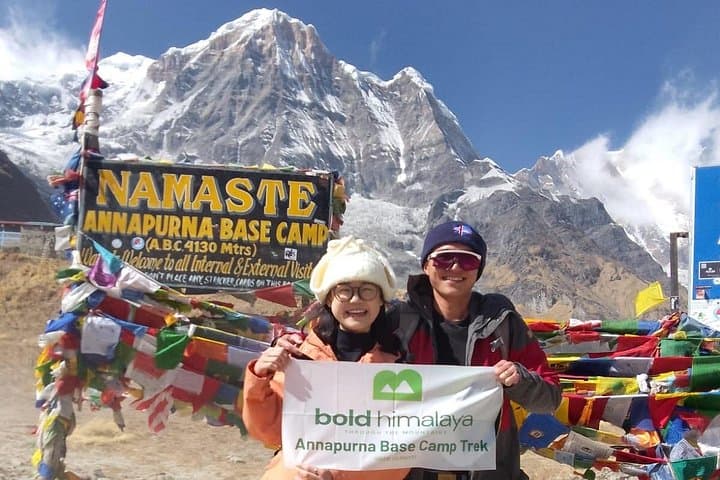

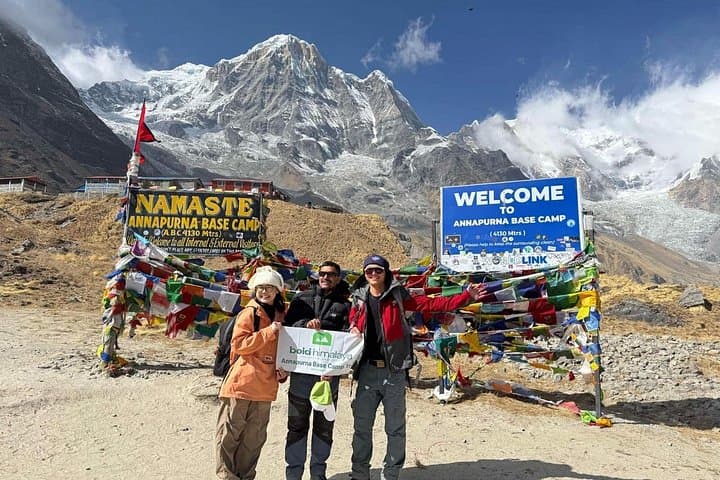
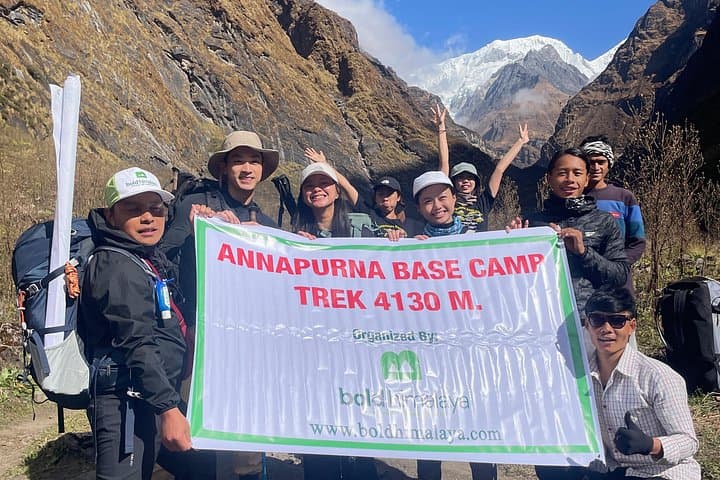
The sun pries itself over serrated ridgelines as trekkers push past a final stand of rhododendron and step into the bowl of Annapurna Base Camp. Cold mountain air bites the face, prayer flags snap above tea-house rooftops, and the massif unfolds: Annapurna I, Annapurna South, Hiunchuli and the iconic fishtail of Machapuchare forming a rugged amphitheater.
The sun pries itself over serrated ridgelines as trekkers push past a final stand of rhododendron and step into the bowl of Annapurna Base Camp. Cold mountain air bites the face, prayer flags snap above tea-house rooftops, and the massif unfolds: Annapurna I, Annapurna South, Hiunchuli and the iconic fishtail of Machapuchare forming a rugged amphitheater.
This five-day circuit threads centuries of Himalayan life—Gurung villages with stone houses and terraced fields—across glacially carved valleys of the Annapurna Conservation Area. Geologically, the route follows the Modi Khola drainage into an uplifted syncline where steep moraine slopes meet alpine meadows; seasonal springs and hot pools at Jhinu Danda are a reminder of subsurface heat and tectonic activity.
Culturally, the trek offers steady windows into local hospitality: tea-house meals, wooden porches, and conversations about yak herding and farming rhythms. Guides manage TIMS permits and the practical choreography of altitude.
Practical guidance: plan for progressive ascent and at least one acclimatization-aware day; bring layered insulation for cold nights, a solid pair of waterproof boots, and a guide familiar with ABC logistics. Expect 6–8 hours of hiking on main trek days over mixed stone steps, packed earth and occasional scree, with basic teahouse accommodation and simple food included. Hydrate deliberately and watch for headache, nausea or slowed pace—early descent is the safest choice if symptoms persist.
Sunrise at ABC is the reward: a quick, thin light that reveals the massif’s scale and the payoff of careful preparation.