THE ADVENTURE COLLECTIVE® · Independent discovery and booking for outdoor travel

A five-day private trek from Cusco over the Salkantay pass to Machu Picchu, mixing alpine crossings, cloud forest walks and a final arrival at the citadel. Expect high-altitude challenges, varied ecosystems and home-stay accommodation.
A five-day private trek from Cusco over the Salkantay pass to Machu Picchu, mixing alpine crossings, cloud forest walks and a final arrival at the citadel. Expect high-altitude challenges, varied ecosystems and home-stay accommodation.
Dawn in the high Andes arrives with thin light and the hiss of breath in cold air. You board a vehicle from Cusco before 4:00 a.m., and the road winds up toward Soraypampa where the trailhead opens to glaciers and a skyline dominated by the Apu Salkantay. The pass at roughly 4,600 m presses the lungs; above, Salkantay’s icefields watch like a slow-moving clock.
Verified experiences and guided adventures in the surrounding area.
Operated by Reserv Cusco · Cusco, Cusco
Dawn in the high Andes arrives with thin light and the hiss of breath in cold air. You board a vehicle from Cusco before 4:00 a.m., and the road winds up toward Soraypampa where the trailhead opens to glaciers and a skyline dominated by the Apu Salkantay. The pass at roughly 4,600 m presses the lungs; above, Salkantay’s icefields watch like a slow-moving clock.
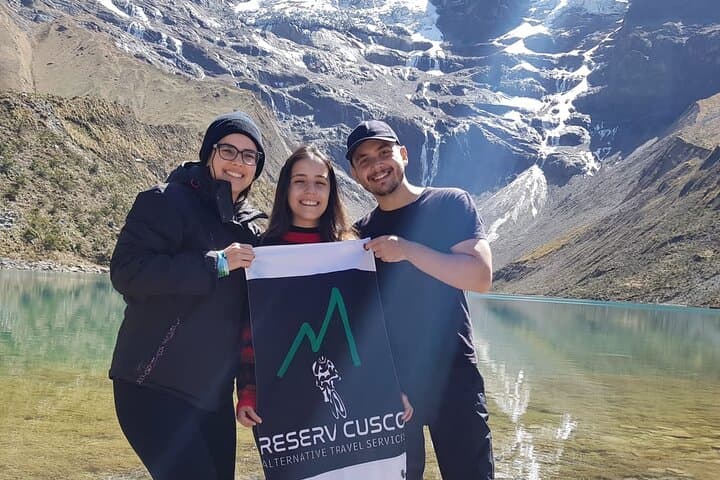
This route threads distinct ecological bands — puna grasses, cloud forest margins, then humid montane jungle — reflecting the region’s complex geology shaped by tectonic uplift and glacial sculpting. Humantay Lagoon, fed by meltwater, flashes turquoise against moraine rock, while the final approach to Machu Picchu follows river-cut valleys that Inca engineers once navigated with terraces and switchbacks.
Cultural notes: expect simple family-run lodgings, meals of quinoa, potatoes and coca tea, and bilingual guides who explain Inca trailcraft and local mountain worship. Rivers will test your attention as they rush and reroute; trails will demand steady footing but no technical climbing.
Practical guidance: plan for altitude — acclimatize in Cusco for 48–72 hours if possible. Pack layered insulation, waterproof shells and good hiking boots. Days vary from long ascents to gentle jungle walks; your rhythm will alternate between slow, steady climbs and easier descents. Stay hydrated, eat small snacks regularly, and reserve energy for the final ascent to Machu Picchu’s archaeological park. Trains return you to Ollantaytambo and buses to Cusco, ending five days of high mountain transit and lowland relief.
challenging.
5 days (approx. 30–40 hours hiking).
Good cardiovascular fitness and prior high-altitude hiking experience recommended; be comfortable with steep ascents and long days.
Not strictly, but you should acclimatize in Cusco and have moderate to strong fitness; the Salkantay pass reaches ~4,600 m where symptoms can appear.
This itinerary includes entrance to Machu Picchu and the return train to Cusco as listed in the tour inclusions; confirm specific train class at booking.
A mix of family-run local homes, rustic lodges and hostels are used—expect basic but clean rooms and home-cooked meals.
Sections such as the thermal baths at Cocalmayo and parts of Hidroelectrica are optional and suitable for less-active companions; the high pass requires hiking ability.
The route crosses territories used by the Inca for pilgrimage and trade; terraces and waterworks in the valleys reflect centuries of Andean agricultural engineering.
Stick to marked trails, pack out waste and use local guides to support community-based tourism; fragile puna and cloud forest habitats recover slowly from trampling.
Reserv Cusco operates guided outdoor trips and adventures with an emphasis on safety, stewardship, and memorable experiences.
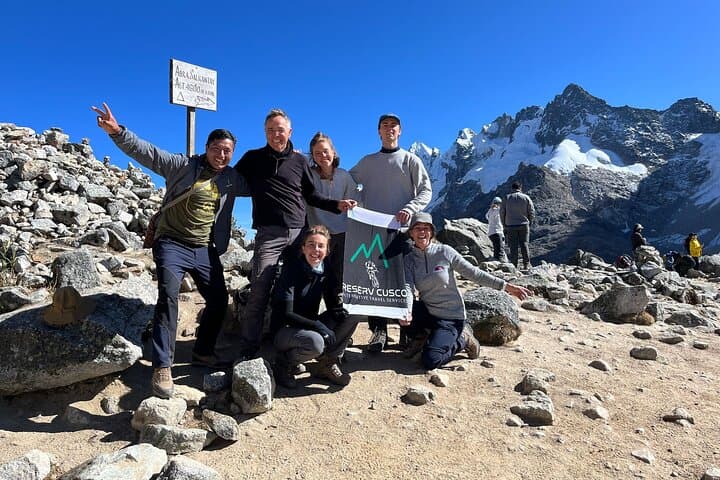

Dawn in the high Andes arrives with thin light and the hiss of breath in cold air. You board a vehicle from Cusco before 4:00 a.m., and the road winds up toward Soraypampa where the trailhead opens to glaciers and a skyline dominated by the Apu Salkantay. The pass at roughly 4,600 m presses the lungs; above, Salkantay’s icefields watch like a slow-moving clock.
Dawn in the high Andes arrives with thin light and the hiss of breath in cold air. You board a vehicle from Cusco before 4:00 a.m., and the road winds up toward Soraypampa where the trailhead opens to glaciers and a skyline dominated by the Apu Salkantay. The pass at roughly 4,600 m presses the lungs; above, Salkantay’s icefields watch like a slow-moving clock.
This route threads distinct ecological bands — puna grasses, cloud forest margins, then humid montane jungle — reflecting the region’s complex geology shaped by tectonic uplift and glacial sculpting. Humantay Lagoon, fed by meltwater, flashes turquoise against moraine rock, while the final approach to Machu Picchu follows river-cut valleys that Inca engineers once navigated with terraces and switchbacks.
Cultural notes: expect simple family-run lodgings, meals of quinoa, potatoes and coca tea, and bilingual guides who explain Inca trailcraft and local mountain worship. Rivers will test your attention as they rush and reroute; trails will demand steady footing but no technical climbing.
Practical guidance: plan for altitude — acclimatize in Cusco for 48–72 hours if possible. Pack layered insulation, waterproof shells and good hiking boots. Days vary from long ascents to gentle jungle walks; your rhythm will alternate between slow, steady climbs and easier descents. Stay hydrated, eat small snacks regularly, and reserve energy for the final ascent to Machu Picchu’s archaeological park. Trains return you to Ollantaytambo and buses to Cusco, ending five days of high mountain transit and lowland relief.