THE ADVENTURE COLLECTIVE® · Independent discovery and booking for outdoor travel

A five-day private trek that climbs from Kande through rhododendron forests and alpine meadows to High Camp and Mardi Himal Base Camp (4,500 m). Ideal for trekkers seeking close-up Annapurna views with guesthouse stays and responsible local guiding.
A five-day private trek that climbs from Kande through rhododendron forests and alpine meadows to High Camp and Mardi Himal Base Camp (4,500 m). Ideal for trekkers seeking close-up Annapurna views with guesthouse stays and responsible local guiding.
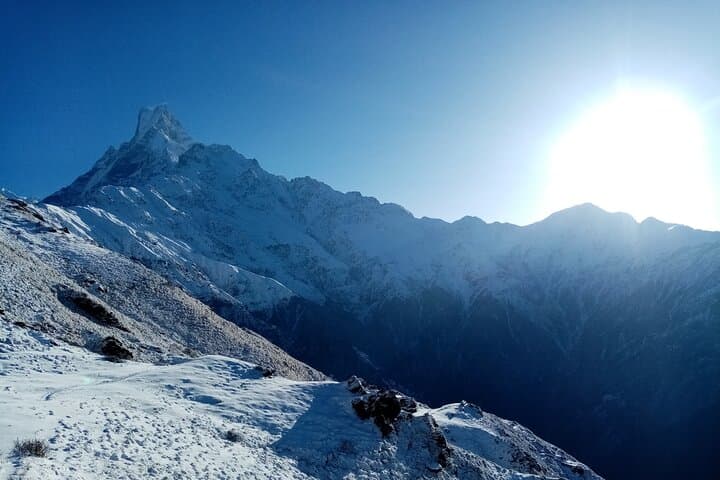
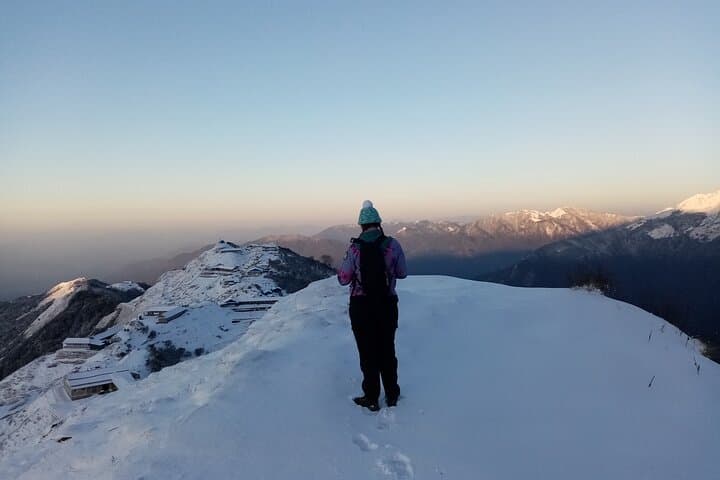
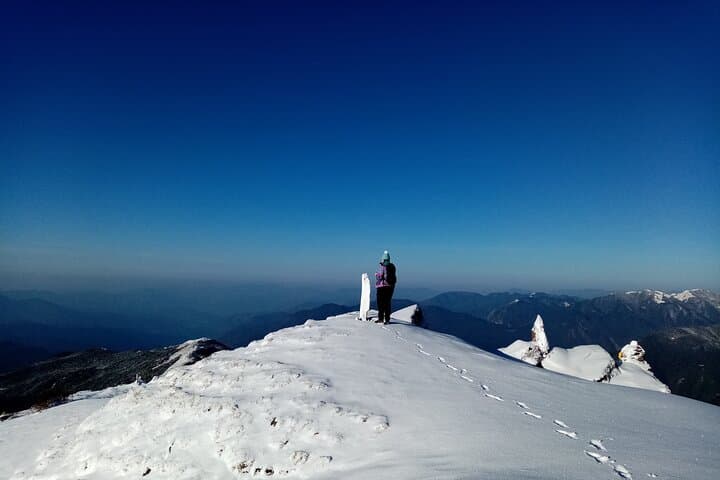
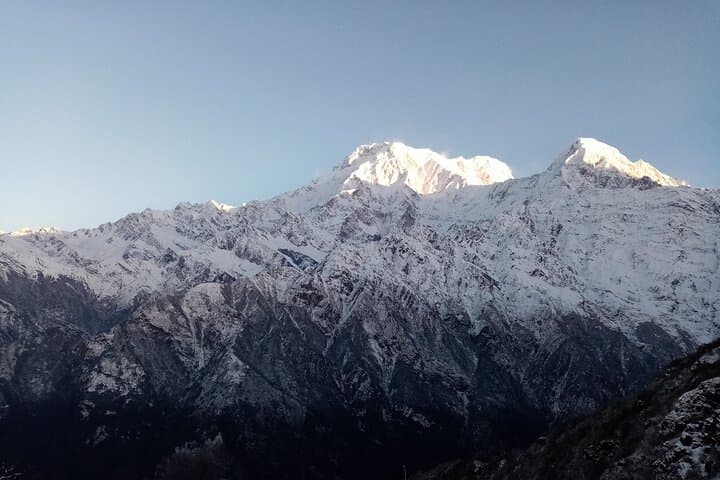
Dawn pulls a cool, thin light across the Annapurna skyline as you step onto the trail at Kande, the town shrinking behind you and the ridgelines of Machapuchare and Mardi Himal growing larger with every switchback. Rhododendron and oak forests give way to open alpine meadows; the wind seems to press you forward toward High Camp and, if you push on, the rarefied quiet of Mardi Himal Base Camp at 4,500 m.
Verified experiences and guided adventures in the surrounding area.
Operated by Shriyan World Wide Tours Private Limited · Pokhara, Gandaki Province
Dawn pulls a cool, thin light across the Annapurna skyline as you step onto the trail at Kande, the town shrinking behind you and the ridgelines of Machapuchare and Mardi Himal growing larger with every switchback. Rhododendron and oak forests give way to open alpine meadows; the wind seems to press you forward toward High Camp and, if you push on, the rarefied quiet of Mardi Himal Base Camp at 4,500 m.
This route threads through the southern Annapurna foothills, carved by young Himalayan uplift and seasonal glaciers that shaped the steep valleys and rocky ridgelines you’ll walk. The area is culturally Gurung and Magar country—villages along the descent toward Siding still practice terrace farming and hospitality in family-run guest houses. Machapuchare (Fishtail) looms as a sacred peak, its near-vertical flanks forbidden to climbers and watched with local reverence.
Expect 4–6 hours of walking on most days, with steady elevation gains: Kande (≈1,770 m) to Forest Camp, then up through Low and High Camp to the base camp day. Trails vary from packed dirt and stone steps to steeper scree approaching High Camp; air thins rapidly above 3,500 m so pace matters.
Practical essentials: arrive in Pokhara the day before, carry layers for rapid temperature swings, use trekking poles for steep descents, hydrate early and often, and allow for one proper acclimatization pace. Permits (TIMS and trek permits) are required and typically arranged by your operator. With reasonable fitness and respect for altitude, the five-day Mardi Himal trek rewards you with close, intimate views of the Annapurna range and a quiet mountain experience away from the busiest routes.
challenging.
4–6 days.
Good aerobic fitness with prior hill-trekking experience; comfortable walking 4–6 hours per day and handling sustained climbs.
Yes—TIMS and Annapurna Conservation Area permits are required; reputable operators typically obtain these for you before the trek.
Physically demanding due to altitude gain to 4,500 m, but technically non-technical; expect long days and thinner air above 3,500 m.
Simple guest houses/tea houses in villages and camps along the route offering basic rooms and hot meals; bedding is usually provided.
Autumn (Sep–Nov) and spring (Mar–May) offer the clearest views and stable weather; monsoon brings heavy rain and winter brings snow higher on the trail.
Local Gurung and Magar communities have lived and farmed these slopes for generations; the modern trekking routes opened as trekking in the Annapurna region expanded in the late 20th century.
The trek passes through the Annapurna Conservation Area—practice Leave No Trace, avoid single-use plastics, and support local tea houses to keep economic benefits local.
Shriyan World Wide Tours Private Limited operates guided outdoor trips and adventures with an emphasis on safety, stewardship, and memorable experiences.
Dawn pulls a cool, thin light across the Annapurna skyline as you step onto the trail at Kande, the town shrinking behind you and the ridgelines of Machapuchare and Mardi Himal growing larger with every switchback. Rhododendron and oak forests give way to open alpine meadows; the wind seems to press you forward toward High Camp and, if you push on, the rarefied quiet of Mardi Himal Base Camp at 4,500 m.
Dawn pulls a cool, thin light across the Annapurna skyline as you step onto the trail at Kande, the town shrinking behind you and the ridgelines of Machapuchare and Mardi Himal growing larger with every switchback. Rhododendron and oak forests give way to open alpine meadows; the wind seems to press you forward toward High Camp and, if you push on, the rarefied quiet of Mardi Himal Base Camp at 4,500 m.
This route threads through the southern Annapurna foothills, carved by young Himalayan uplift and seasonal glaciers that shaped the steep valleys and rocky ridgelines you’ll walk. The area is culturally Gurung and Magar country—villages along the descent toward Siding still practice terrace farming and hospitality in family-run guest houses. Machapuchare (Fishtail) looms as a sacred peak, its near-vertical flanks forbidden to climbers and watched with local reverence.
Expect 4–6 hours of walking on most days, with steady elevation gains: Kande (≈1,770 m) to Forest Camp, then up through Low and High Camp to the base camp day. Trails vary from packed dirt and stone steps to steeper scree approaching High Camp; air thins rapidly above 3,500 m so pace matters.
Practical essentials: arrive in Pokhara the day before, carry layers for rapid temperature swings, use trekking poles for steep descents, hydrate early and often, and allow for one proper acclimatization pace. Permits (TIMS and trek permits) are required and typically arranged by your operator. With reasonable fitness and respect for altitude, the five-day Mardi Himal trek rewards you with close, intimate views of the Annapurna range and a quiet mountain experience away from the busiest routes.