THE ADVENTURE COLLECTIVE® · Independent discovery and booking for outdoor travel

Walk the original Inca highway on a private 5-day trek that guides you over high passes, through cloud forest and into Machu Picchu at dawn. This guide outlines what to expect—terrain, altitude, permits and packing—to prepare for the classic Andean pilgrimage.
Walk the original Inca highway on a private 5-day trek that guides you over high passes, through cloud forest and into Machu Picchu at dawn. This guide outlines what to expect—terrain, altitude, permits and packing—to prepare for the classic Andean pilgrimage.
Dawn peels the Andean sky into color as a narrow path climbs out of the Sacred Valley, the trail breathing underfoot and the mountains daring you onward. Over five days the Inca Trail shifts from cultivated terraces to high puna grasslands and into a humid cloud forest, each ecosystem announcing itself with new light, birdsong and stonework.
Verified experiences and guided adventures in the surrounding area.
Operated by Inkayni Peru Tours · Aguas Calientes (Machu Picchu Pueblo), Cusco Region
Dawn peels the Andean sky into color as a narrow path climbs out of the Sacred Valley, the trail breathing underfoot and the mountains daring you onward. Over five days the Inca Trail shifts from cultivated terraces to high puna grasslands and into a humid cloud forest, each ecosystem announcing itself with new light, birdsong and stonework.
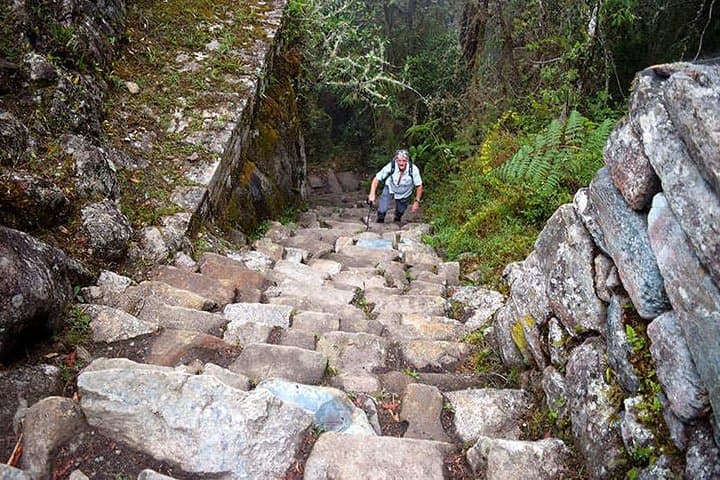
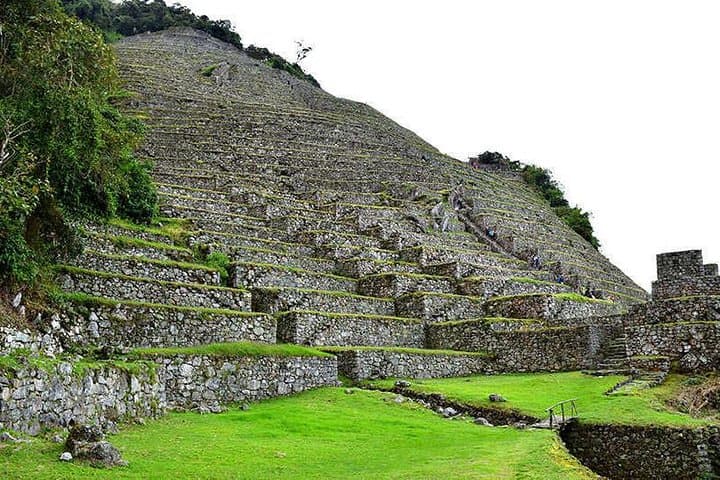
The route follows an imperial Inca roadway that once linked administrative centers across the highlands; its staircases and waystations were engineered into the volcanic bedrock and aligned with solar events. Geologically, the corridor traces fold-and-thrust terrain of Tertiary uplift—granites and schists rising to sharp passes like Warmihuañusca (Dead Woman’s Pass) at 4,215 m. Culturally, the trail threads settlements and ruins—Runkurakay, Sayacmarca, Wiñay Wayna—that reveal Inca agricultural and defensive design, while local Quechua communities maintain traditional farming below.
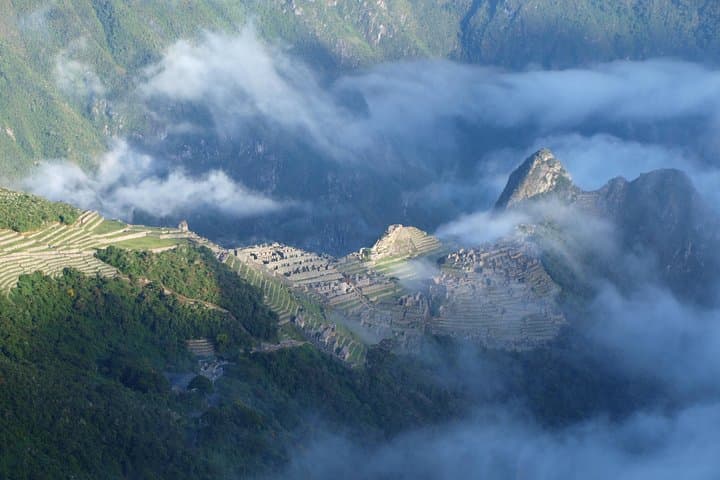
Practically, this private 5-day itinerary spaces the mileage for long ascents and steep descents (daily hikes of roughly 10–12 km on uneven stone steps and dirt tracks), and includes camping, porters and a guide. Expect thin air; acclimatize in Cusco for 2–3 days beforehand, bring layered waterproof clothing, and plan for sudden weather changes. Permits are limited—book at least five months ahead—and carry personal essentials, sun protection, and a small first-aid kit. Hydration and pacing keep the body moving; trekking poles reduce knee strain on descents. Arrive with fitness for sustained uphill efforts and reward yourself at the Sun Gate, where Machu Picchu appears, mist lifting like a promise fulfilled.
challenging.
5 days.
Good cardiovascular fitness and leg strength for sustained ascents and long days at high altitude; prior hiking experience is recommended.
Yes—official Inca Trail permits are required and limited; book at least five months in advance, especially for peak season (May–September).
Dead Woman’s Pass is the highest point at 4,215 m and involves steep, sustained climbing; expect a strenuous 1–3 hour ascent depending on pace and acclimatization.
This private itinerary includes meals, a dining tent, cook and crew, spacious two-person tents and inflatable sleeping mattresses; bring personal gear like a sleeping bag and daypack.
Camps use basic latrines; consider a small supply of hand sanitizer, toilet paper and biodegradable bags for personal comfort.
The Inca Trail was part of a vast network of royal roads used for communication, administration and pilgrimage; Machu Picchu was brought to international attention by Hiram Bingham in 1911.
Permits limit daily visitors to protect archaeology and ecosystem; stick to trails, pack out waste and support local guides and porters to sustain communities.
Inkayni Peru Tours operates guided outdoor trips and adventures with an emphasis on safety, stewardship, and memorable experiences.
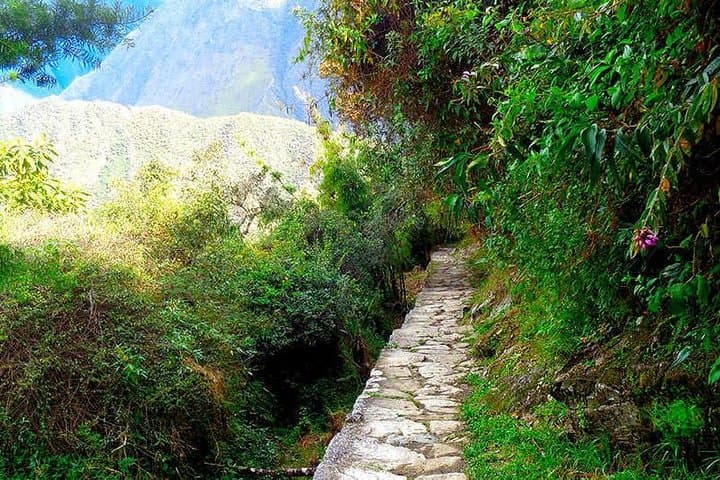
Dawn peels the Andean sky into color as a narrow path climbs out of the Sacred Valley, the trail breathing underfoot and the mountains daring you onward. Over five days the Inca Trail shifts from cultivated terraces to high puna grasslands and into a humid cloud forest, each ecosystem announcing itself with new light, birdsong and stonework.
Dawn peels the Andean sky into color as a narrow path climbs out of the Sacred Valley, the trail breathing underfoot and the mountains daring you onward. Over five days the Inca Trail shifts from cultivated terraces to high puna grasslands and into a humid cloud forest, each ecosystem announcing itself with new light, birdsong and stonework.
The route follows an imperial Inca roadway that once linked administrative centers across the highlands; its staircases and waystations were engineered into the volcanic bedrock and aligned with solar events. Geologically, the corridor traces fold-and-thrust terrain of Tertiary uplift—granites and schists rising to sharp passes like Warmihuañusca (Dead Woman’s Pass) at 4,215 m. Culturally, the trail threads settlements and ruins—Runkurakay, Sayacmarca, Wiñay Wayna—that reveal Inca agricultural and defensive design, while local Quechua communities maintain traditional farming below.
Practically, this private 5-day itinerary spaces the mileage for long ascents and steep descents (daily hikes of roughly 10–12 km on uneven stone steps and dirt tracks), and includes camping, porters and a guide. Expect thin air; acclimatize in Cusco for 2–3 days beforehand, bring layered waterproof clothing, and plan for sudden weather changes. Permits are limited—book at least five months ahead—and carry personal essentials, sun protection, and a small first-aid kit. Hydration and pacing keep the body moving; trekking poles reduce knee strain on descents. Arrive with fitness for sustained uphill efforts and reward yourself at the Sun Gate, where Machu Picchu appears, mist lifting like a promise fulfilled.