THE ADVENTURE COLLECTIVE® · Independent discovery and booking for outdoor travel

Five days across Accra, Cape Coast and Kakum compress Ghana’s history, culture and rainforest into a focused private tour. Expect castle tours, market immersion, a canopy walk and a chance to join a traditional naming ceremony.
Five days across Accra, Cape Coast and Kakum compress Ghana’s history, culture and rainforest into a focused private tour. Expect castle tours, market immersion, a canopy walk and a chance to join a traditional naming ceremony.
You touch down into Accra and the humid evening wraps around the airport like a warm welcome — drums and conversation waiting ahead. On day one you’re escorted to a hotel for a welcome dinner where dancers and drummers cut through the jet lag and set the tone: this is a tour that favors human stories as much as sites.
Verified experiences and guided adventures in the surrounding area.
Operated by Freelancenana Travel And Tours · Accra, Greater Accra Region
You touch down into Accra and the humid evening wraps around the airport like a warm welcome — drums and conversation waiting ahead. On day one you’re escorted to a hotel for a welcome dinner where dancers and drummers cut through the jet lag and set the tone: this is a tour that favors human stories as much as sites.
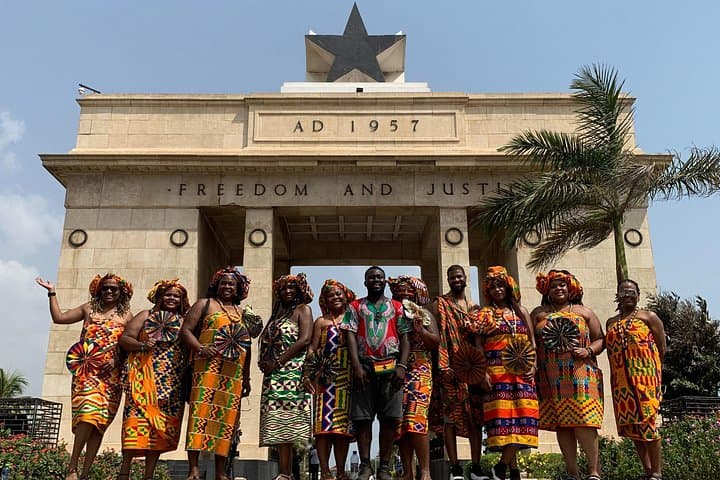
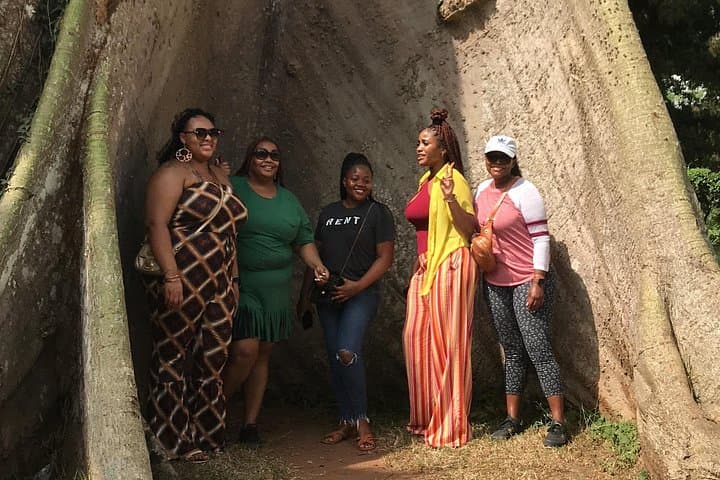
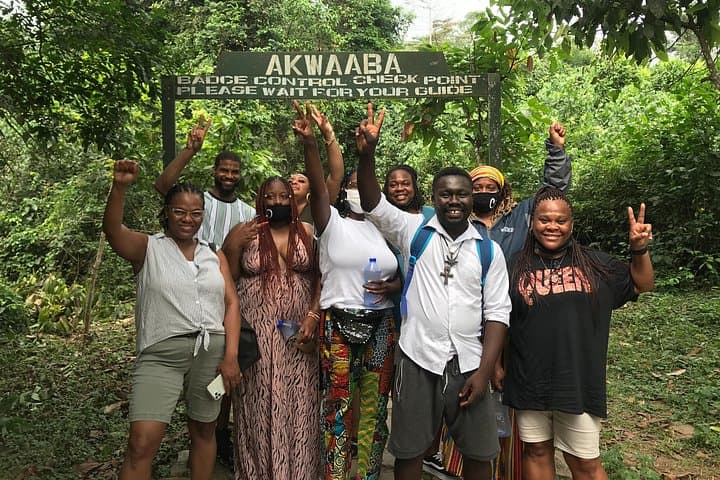
Over five days the route moves from Accra’s political heart — the Nkrumah Mausoleum and Independence Square — down the coastal highway to Cape Coast and Elmina, where the stone of the castles remembers the trans-Atlantic slave trade. The geology shifts subtly: low coastal plains give way to pockets of tropical rainforest near Kakum, where the canopy walk threads hanging bridges through emergent trees and a chorus of insects and birds. At Assin Manso you’ll stand where enslaved people had their last river bath; in local chief palaces you’ll encounter living Akan traditions, including a naming ceremony based on the day of birth.
Expect full days of walking, market bargaining, and heritage tours; drives between Accra and Cape Coast are roughly 3–3.5 hours over 150–170 km. Trails in Kakum are short but rooted and sometimes muddy — the canopy walk itself requires steady footing and a head for heights. Practicalities: carry insect repellent, local cedi cash for small purchases, and a lightweight rain layer for sudden tropical downpours. Dress respectfully for cultural sites and bring comfortable shoes for narrow market alleys. Guides handle logistics and local interpretation — your job is to listen, look, and leave with a clearer sense of Ghana’s history and a few new rhythms in your head.
easy.
5 days (full-day activities most days).
Suitable for most fitness levels — involves walking, standing and short hikes on uneven ground
Many nationalities require a visa; check Ghana’s official immigration site well before travel and ensure your passport is valid for at least six months.
Yes — the canopy walk is maintained for tourists, staff give a safety briefing and harnesses are often used; follow guides’ instructions and avoid overcrowding the bridges.
This tour includes breakfast on most days and selected lunches and dinners as listed — expect local dishes and hotel meals; inform your operator of dietary needs ahead of time.
Yes — visitors may take part respectfully; wear the clothing provided when offered and follow the local customs explained by your guide.
Elmina and Cape Coast castles are central sites of the trans-Atlantic slave trade; Accra’s Nkrumah Mausoleum traces Ghana’s independence movement under Kwame Nkrumah.
Kakum National Park is protected and dependent on sustainable tourism; stick to trails, avoid single-use plastics, and support community-led craft markets to benefit local conservation and livelihoods.
Freelancenana Travel And Tours operates guided outdoor trips and adventures with an emphasis on safety, stewardship, and memorable experiences.
You touch down into Accra and the humid evening wraps around the airport like a warm welcome — drums and conversation waiting ahead. On day one you’re escorted to a hotel for a welcome dinner where dancers and drummers cut through the jet lag and set the tone: this is a tour that favors human stories as much as sites.
You touch down into Accra and the humid evening wraps around the airport like a warm welcome — drums and conversation waiting ahead. On day one you’re escorted to a hotel for a welcome dinner where dancers and drummers cut through the jet lag and set the tone: this is a tour that favors human stories as much as sites.
Over five days the route moves from Accra’s political heart — the Nkrumah Mausoleum and Independence Square — down the coastal highway to Cape Coast and Elmina, where the stone of the castles remembers the trans-Atlantic slave trade. The geology shifts subtly: low coastal plains give way to pockets of tropical rainforest near Kakum, where the canopy walk threads hanging bridges through emergent trees and a chorus of insects and birds. At Assin Manso you’ll stand where enslaved people had their last river bath; in local chief palaces you’ll encounter living Akan traditions, including a naming ceremony based on the day of birth.
Expect full days of walking, market bargaining, and heritage tours; drives between Accra and Cape Coast are roughly 3–3.5 hours over 150–170 km. Trails in Kakum are short but rooted and sometimes muddy — the canopy walk itself requires steady footing and a head for heights. Practicalities: carry insect repellent, local cedi cash for small purchases, and a lightweight rain layer for sudden tropical downpours. Dress respectfully for cultural sites and bring comfortable shoes for narrow market alleys. Guides handle logistics and local interpretation — your job is to listen, look, and leave with a clearer sense of Ghana’s history and a few new rhythms in your head.