THE ADVENTURE COLLECTIVE® · Independent discovery and booking for outdoor travel

Explore Salalah and the Dhofar coastline on a private five-day tour that pairs UNESCO frankincense sites, cliffed beaches and oasis wadis. Ideal for travelers who want cultural context, short walks and relaxed beach time.
Explore Salalah and the Dhofar coastline on a private five-day tour that pairs UNESCO frankincense sites, cliffed beaches and oasis wadis. Ideal for travelers who want cultural context, short walks and relaxed beach time.
You arrive in Salalah as the sea breathes salt and a line of palms rustles like a welcome mat — the city sits low against wide Arabian skies. The first morning you move through Al Balid Archaeological Park, where the Frankincense Land Museum lays out ports, dhows and resin routes that once threaded this coast to the Mediterranean and India.
Verified experiences and guided adventures in the surrounding area.
Operated by Khimji's House of Travel · Salalah, Dhofar Governorate
You arrive in Salalah as the sea breathes salt and a line of palms rustles like a welcome mat — the city sits low against wide Arabian skies. The first morning you move through Al Balid Archaeological Park, where the Frankincense Land Museum lays out ports, dhows and resin routes that once threaded this coast to the Mediterranean and India.
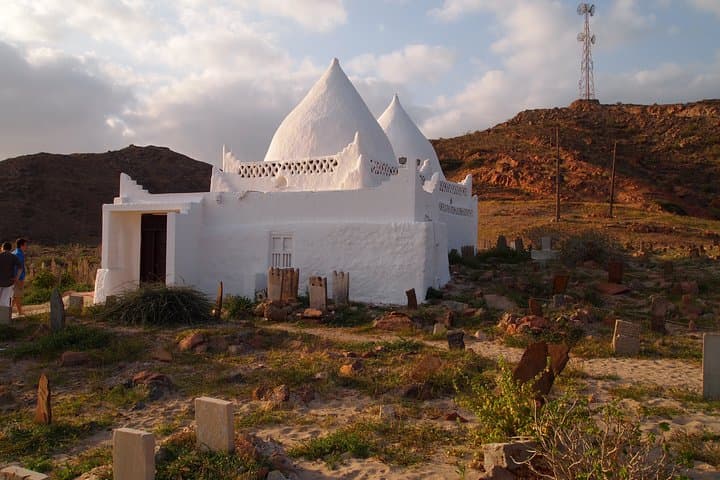
Dhofar's geology is blunt and honest: coastal plains shove up against the Qara Mountains, and wadis carve green ribbons through limestone and sediment. That geological edge created an ancient economy; frankincense trees rooted in crevices produced resin traded for millennia. Culture here blends maritime Oman with Hadhrami and South Arabian influences — Taqah's mud houses and Mirbat's narrow streets still tell that story.
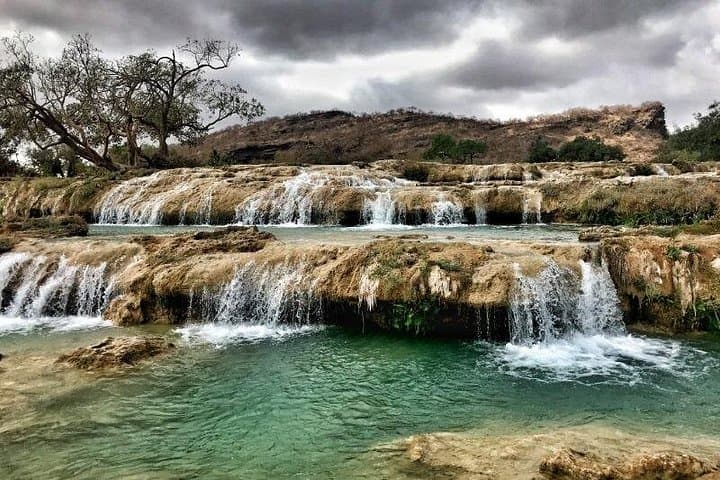
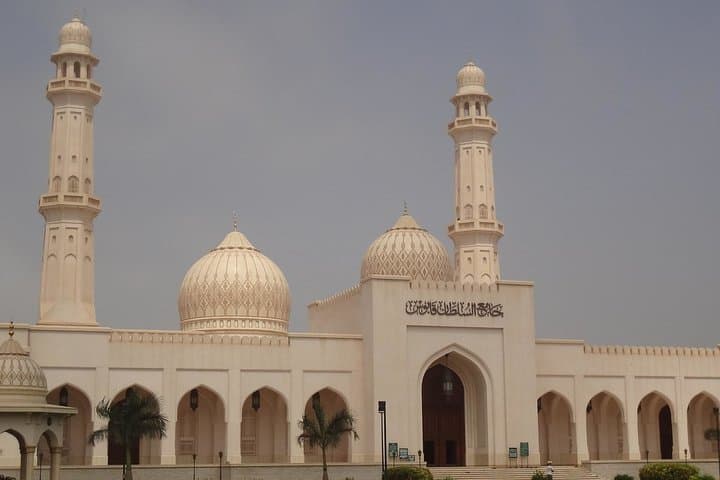
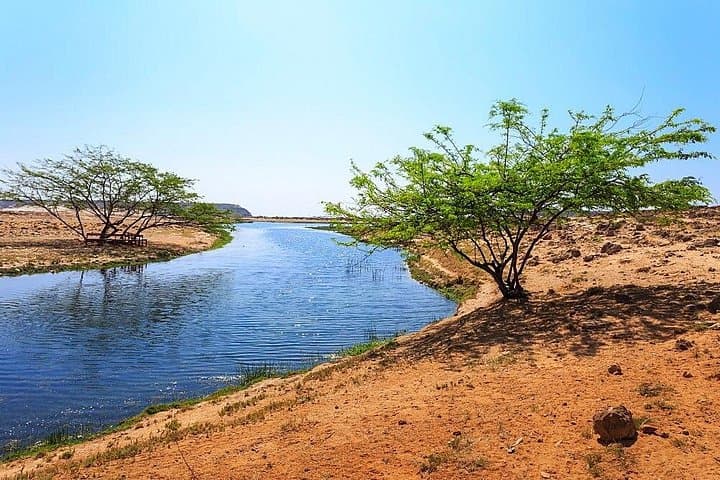
Days 2–4 mix short drives and half-day walks: the Sultan Qaboos Mosque and Haffah Souk in town, the cliffed western coast with Mughsail's blowholes, and the Sumhuram (Khor Rori) ruins where incense was loaded for long voyages. Wadi Darbat offers a gentler landscape — ephemeral lakes, seasonal falls and pastoral views that change character between dry months and the summer khareef.
Practicalities: comfortable walking shoes, sun protection, and a reusable water bottle keep the rhythm steady. Expect light gradients and mostly paved or firm-surface roads; some short, rocky valley walks are part of the itinerary. Respect local customs — modest dress is required at the mosque and in villages. The trip balances cultural sites and coastal downtime: bring a camera, patience for slow local moments, and a sense of discovery for both archaeological echoes and living landscapes.
easy.
5 days.
Suitable for travelers in average fitness; itinerary involves short walks and mostly vehicle transfers
Yes; the itinerary notes infants must sit on laps and infant seats are available, but check pickup logistics and bring necessary child supplies.
Admissions for sites like the Frankincense Land Museum and Sumhuram are included on specific days; your guide will handle entry where required.
The khareef season (roughly June–September) brings mist and lushness to the plateau and wadis; outside that window the landscape is drier and more desert-like.
Breakfast is included on four mornings as listed; other meals are typically at your own expense unless stated otherwise.
Dhofar was a linchpin of the ancient frankincense trade; Sumhuram (Khor Rori) served as a major export port and is now part of a UNESCO World Heritage area.
Frankincense trees and coastal habitats are sensitive; avoid harvesting resin, keep to trails and minimize single-use plastics to reduce impact.
Khimji's House of Travel operates guided outdoor trips and adventures with an emphasis on safety, stewardship, and memorable experiences.
You arrive in Salalah as the sea breathes salt and a line of palms rustles like a welcome mat — the city sits low against wide Arabian skies. The first morning you move through Al Balid Archaeological Park, where the Frankincense Land Museum lays out ports, dhows and resin routes that once threaded this coast to the Mediterranean and India.
You arrive in Salalah as the sea breathes salt and a line of palms rustles like a welcome mat — the city sits low against wide Arabian skies. The first morning you move through Al Balid Archaeological Park, where the Frankincense Land Museum lays out ports, dhows and resin routes that once threaded this coast to the Mediterranean and India.
Dhofar's geology is blunt and honest: coastal plains shove up against the Qara Mountains, and wadis carve green ribbons through limestone and sediment. That geological edge created an ancient economy; frankincense trees rooted in crevices produced resin traded for millennia. Culture here blends maritime Oman with Hadhrami and South Arabian influences — Taqah's mud houses and Mirbat's narrow streets still tell that story.
Days 2–4 mix short drives and half-day walks: the Sultan Qaboos Mosque and Haffah Souk in town, the cliffed western coast with Mughsail's blowholes, and the Sumhuram (Khor Rori) ruins where incense was loaded for long voyages. Wadi Darbat offers a gentler landscape — ephemeral lakes, seasonal falls and pastoral views that change character between dry months and the summer khareef.
Practicalities: comfortable walking shoes, sun protection, and a reusable water bottle keep the rhythm steady. Expect light gradients and mostly paved or firm-surface roads; some short, rocky valley walks are part of the itinerary. Respect local customs — modest dress is required at the mosque and in villages. The trip balances cultural sites and coastal downtime: bring a camera, patience for slow local moments, and a sense of discovery for both archaeological echoes and living landscapes.