THE ADVENTURE COLLECTIVE® · Independent discovery and booking for outdoor travel

Move through high-Andean history on a private five-day circuit from Cusco to Machu Picchu, visiting Sacred Valley ruins, Ollantaytambo, Moray’s agricultural rings and the Maras salt pans. Expect changing altitudes, guided archaeological tours, and regulated Machu Picchu entry.
Move through high-Andean history on a private five-day circuit from Cusco to Machu Picchu, visiting Sacred Valley ruins, Ollantaytambo, Moray’s agricultural rings and the Maras salt pans. Expect changing altitudes, guided archaeological tours, and regulated Machu Picchu entry.
The bus drops you onto a high plateau outside Cusco; wind and sun test your layers while stonework older than recorded history watches from above. Over five days you move through altitudes—Cusco at ~3,400 m, Ollantaytambo near 2,792 m, Moray around 3,500 m and Machu Picchu at 2,430 m—each change in elevation thinks differently about weather, crops and ruin placement.
Verified experiences and guided adventures in the surrounding area.
Operated by Chullos Travel Peru · Cusco, Cusco Region
The bus drops you onto a high plateau outside Cusco; wind and sun test your layers while stonework older than recorded history watches from above. Over five days you move through altitudes—Cusco at ~3,400 m, Ollantaytambo near 2,792 m, Moray around 3,500 m and Machu Picchu at 2,430 m—each change in elevation thinks differently about weather, crops and ruin placement.
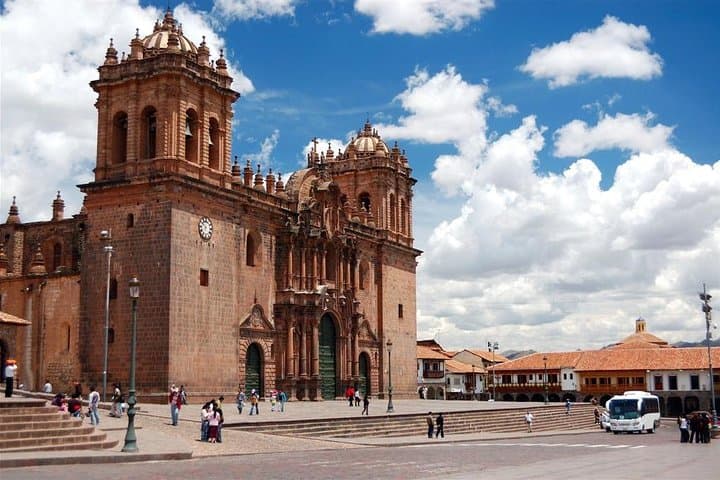
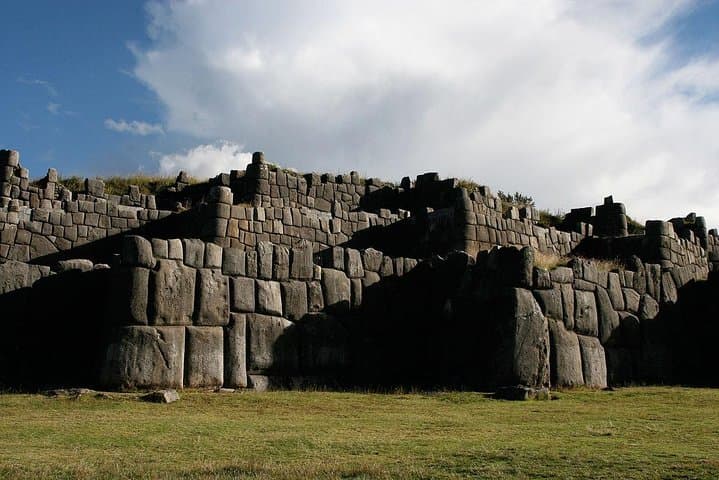
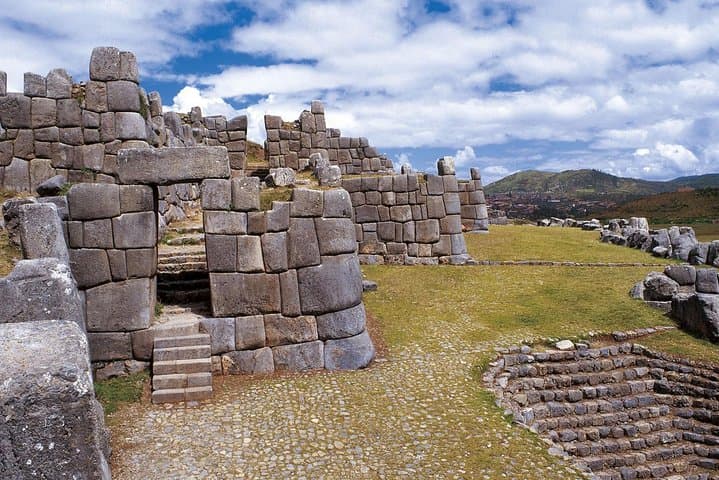
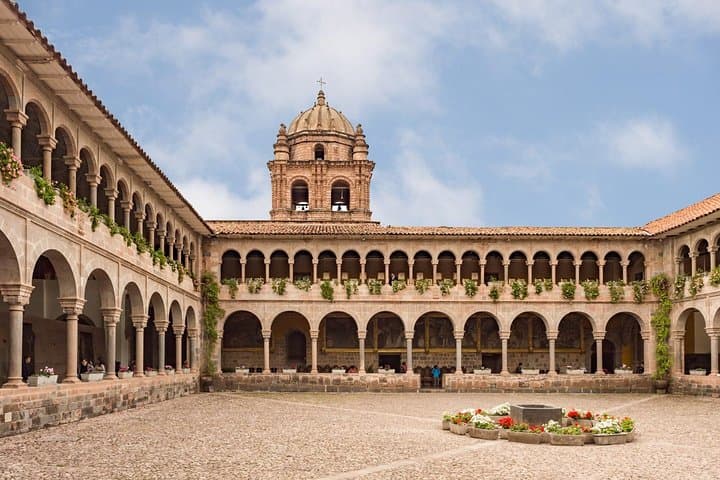
This itinerary threads Inca engineering and colonial plaza life: Koricancha’s polished foundations, the fortress walls of Sacsayhuamán and the agricultural laboratories at Moray where concentric terraces probe microclimates. The Sacred Valley rides the Willkamayu (sacred river) down a geological seam carved by glacial action and Andean runoff; terraces cling to slopes to tame erosion and grow maize across altitude bands. Maras’ salt pans are a pre-Hispanic evaporation system still worked by local families; nearby markets keep Quechua textile traditions alive.
Practical guide: expect long travel windows—Cusco to Pisac ~1.5 hours, train Ollantaytambo→Aguas Calientes ~1.5–2 hours, Aguas Calientes→Machu Picchu bus ~25 minutes. Guided time at Machu Picchu is ~2.5 hours; allow extra for lines and photo stops. Acclimatize the first day, hydrate aggressively, and break in footwear before arrival. Machu Picchu entry is controlled by Peru’s Ministry of Culture and tickets (circuits 1–2) sell out—book early and confirm which circuit you have. Carry small change for markets and basic toilet fees, and follow guides to protect fragile terraces and trails.
moderate.
5 days.
Moderate fitness recommended: able to walk 2–4 hours at a time on uneven stone and cobbled paths; tolerate altitude.
Plan at least one full day in Cusco before strenuous activities—light walking, liquids and sleep help adjust to ~3,400 m.
The tour purchases Machu Picchu tickets per availability (circuits 1 or 2). Tickets are controlled by the Ministry of Culture; if none are available you should receive a full refund per operator policy.
Trains run multiple times daily from Ollantaytambo to Aguas Calientes (1.5–2 hrs). Buses from Aguas Calientes to Machu Picchu take ~20–30 minutes; expect lines in peak season.
Those hikes require separate permits that sell out quickly; discuss with your operator in advance to add them and secure the limited slots.
The route follows the heartland of the Inca state—terraces and urban centers here are engineered for microclimates and imperial control, later layered with colonial plazas and churches.
Machu Picchu has strict daily visitor limits and fixed circuits to reduce erosion; stick to marked paths, avoid single-use plastics and support local guides and community-run craft markets.
Chullos Travel Peru operates guided outdoor trips and adventures with an emphasis on safety, stewardship, and memorable experiences.
The bus drops you onto a high plateau outside Cusco; wind and sun test your layers while stonework older than recorded history watches from above. Over five days you move through altitudes—Cusco at ~3,400 m, Ollantaytambo near 2,792 m, Moray around 3,500 m and Machu Picchu at 2,430 m—each change in elevation thinks differently about weather, crops and ruin placement.
The bus drops you onto a high plateau outside Cusco; wind and sun test your layers while stonework older than recorded history watches from above. Over five days you move through altitudes—Cusco at ~3,400 m, Ollantaytambo near 2,792 m, Moray around 3,500 m and Machu Picchu at 2,430 m—each change in elevation thinks differently about weather, crops and ruin placement.
This itinerary threads Inca engineering and colonial plaza life: Koricancha’s polished foundations, the fortress walls of Sacsayhuamán and the agricultural laboratories at Moray where concentric terraces probe microclimates. The Sacred Valley rides the Willkamayu (sacred river) down a geological seam carved by glacial action and Andean runoff; terraces cling to slopes to tame erosion and grow maize across altitude bands. Maras’ salt pans are a pre-Hispanic evaporation system still worked by local families; nearby markets keep Quechua textile traditions alive.
Practical guide: expect long travel windows—Cusco to Pisac ~1.5 hours, train Ollantaytambo→Aguas Calientes ~1.5–2 hours, Aguas Calientes→Machu Picchu bus ~25 minutes. Guided time at Machu Picchu is ~2.5 hours; allow extra for lines and photo stops. Acclimatize the first day, hydrate aggressively, and break in footwear before arrival. Machu Picchu entry is controlled by Peru’s Ministry of Culture and tickets (circuits 1–2) sell out—book early and confirm which circuit you have. Carry small change for markets and basic toilet fees, and follow guides to protect fragile terraces and trails.