THE ADVENTURE COLLECTIVE® · Independent discovery and booking for outdoor travel

A five-day private trek through Cao Bang and Ba Be National Park links Ban Gioc’s thunderous falls, the dripping caverns of Nguom Ngao and Tham Phay, and Tay and Nung village life. Expect mixed terrain, boat and kayak sections, and homestays that bring local culture into the itinerary.
A five-day private trek through Cao Bang and Ba Be National Park links Ban Gioc’s thunderous falls, the dripping caverns of Nguom Ngao and Tham Phay, and Tay and Nung village life. Expect mixed terrain, boat and kayak sections, and homestays that bring local culture into the itinerary.
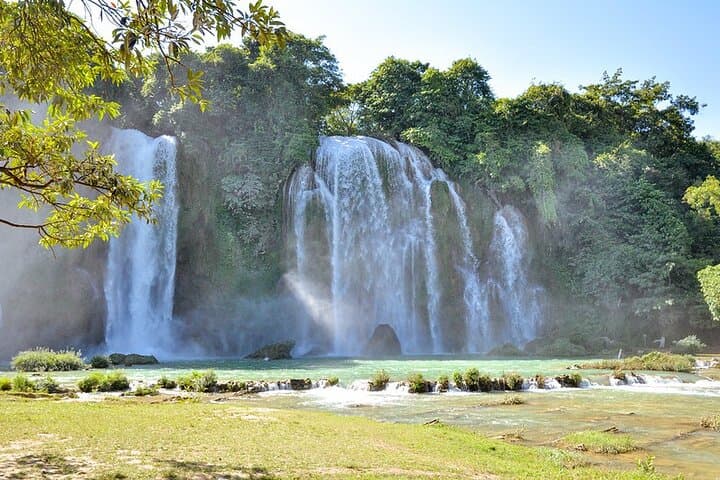
Morning light slices through limestone teeth as you leave Hanoi’s hum and head north: rice terraces retreat, karst ridges rise, and a succession of rivers begin to pull the itinerary forward. By day three the thunder of Ban Gioc waterfall announces the border between Vietnam and China—water daring you to step closer—then you’ll thread narrow village paths to stilt houses where the Nung and Tay welcome visitors with simple meals and stories.
Verified experiences and guided adventures in the surrounding area.
Operated by Mr Linh's Adventures · Cao Bang, Cao Bang Province
Morning light slices through limestone teeth as you leave Hanoi’s hum and head north: rice terraces retreat, karst ridges rise, and a succession of rivers begin to pull the itinerary forward. By day three the thunder of Ban Gioc waterfall announces the border between Vietnam and China—water daring you to step closer—then you’ll thread narrow village paths to stilt houses where the Nung and Tay welcome visitors with simple meals and stories.
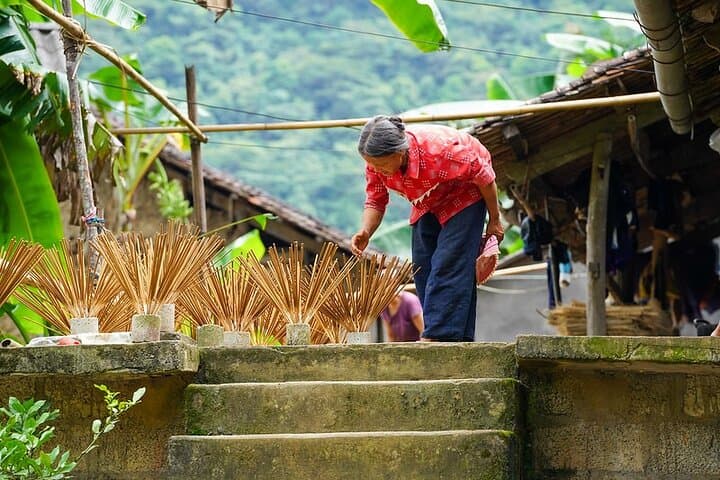
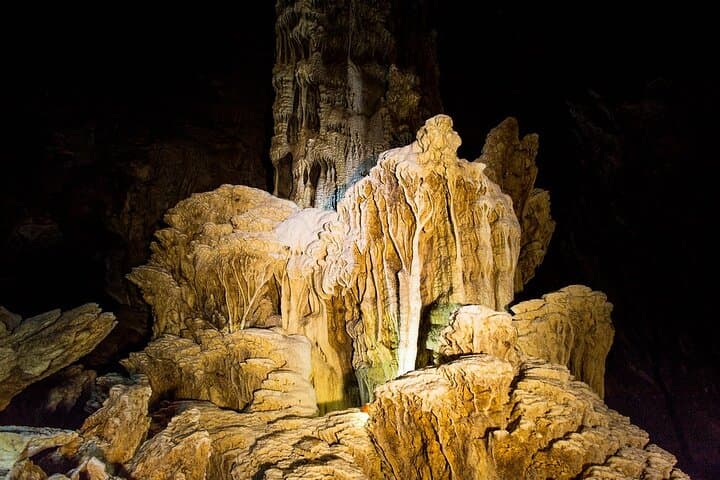
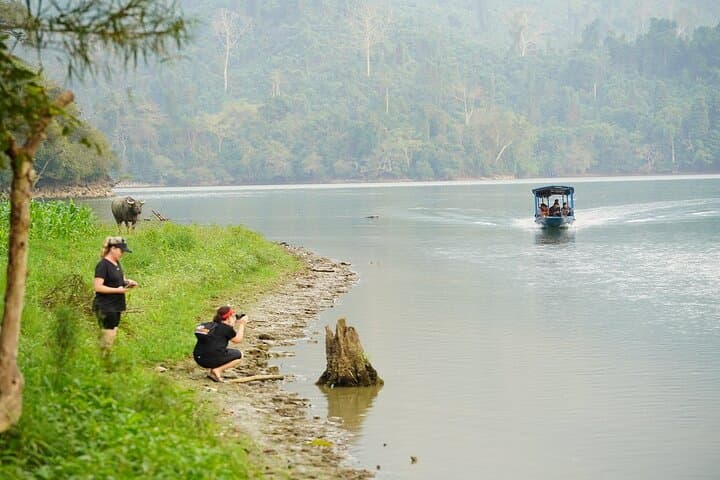
This route sits on classic northern Vietnamese karst and mixed hardwood country. Ban Gioc is a segmented cascade over 300 meters wide, fed by highland streams; Nguom Ngao Cave runs roughly 2,144 meters with ornate stalactites; Tham Phay is a river cave system that pushes roughly 5 km into limestone, with tight passages and deep pools. The cultural layer is as prominent as the geology: Phia Thap’s incense-making and tile and knife villages reflect generations of craft. Ba Be Lake, Vietnam’s largest natural freshwater lake, occupies a collapsed karst basin and supports rich birdlife and aquatic plants.
Practical guidance: expect 5 days of mixed activity—village treks (10–12 km on some days), cave scrambles, and boat or kayak time on Ba Be. Start times are early (guides typically collect at 8:00 AM), homestays provide basic comforts, and the trip returns to Hanoi around 17:30 on day five. Bring sturdy boots for muddy trails and slick cave rock, headlamp and gloves for caving (helmets supplied), quick-dry layers, insect repellent, and small cash for village purchases. Respect local customs, follow your guide in caves, and plan for sudden weather shifts in the highlands.
moderate.
5 days.
Suitable for someone with regular aerobic activity who can handle 4–8 hour activity days, steep short climbs, and narrow cave passages.
Moderate fitness is required: expect several 4–8 hour days with uneven trails and steep short climbs; you should be comfortable walking 10–12 km with a daypack.
Yes—guided cave sections use helmets and lights; however, some passages are narrow and involve scrambling, so be prepared for confined spaces and follow guide instructions.
Nights alternate between family-run homestays in stilt houses and modest lakeside homestays with basic amenities and local meals; bring small comforts if preferred.
Heavy rain during the monsoon can alter river levels and access to waterfalls or caves; operators typically adapt plans and provide up-to-date guidance.
The borderlands around Cao Bang host long histories of Tay and Nung communities and saw strategic movements during colonial and 20th-century conflicts; local craft traditions have persisted for generations.
Karst caves and lake ecosystems are sensitive—avoid touching formations, pack out waste, and support community-based homestays to direct tourism benefits locally.
Mr Linh's Adventures operates guided outdoor trips and adventures with an emphasis on safety, stewardship, and memorable experiences.
Morning light slices through limestone teeth as you leave Hanoi’s hum and head north: rice terraces retreat, karst ridges rise, and a succession of rivers begin to pull the itinerary forward. By day three the thunder of Ban Gioc waterfall announces the border between Vietnam and China—water daring you to step closer—then you’ll thread narrow village paths to stilt houses where the Nung and Tay welcome visitors with simple meals and stories.
Morning light slices through limestone teeth as you leave Hanoi’s hum and head north: rice terraces retreat, karst ridges rise, and a succession of rivers begin to pull the itinerary forward. By day three the thunder of Ban Gioc waterfall announces the border between Vietnam and China—water daring you to step closer—then you’ll thread narrow village paths to stilt houses where the Nung and Tay welcome visitors with simple meals and stories.
This route sits on classic northern Vietnamese karst and mixed hardwood country. Ban Gioc is a segmented cascade over 300 meters wide, fed by highland streams; Nguom Ngao Cave runs roughly 2,144 meters with ornate stalactites; Tham Phay is a river cave system that pushes roughly 5 km into limestone, with tight passages and deep pools. The cultural layer is as prominent as the geology: Phia Thap’s incense-making and tile and knife villages reflect generations of craft. Ba Be Lake, Vietnam’s largest natural freshwater lake, occupies a collapsed karst basin and supports rich birdlife and aquatic plants.
Practical guidance: expect 5 days of mixed activity—village treks (10–12 km on some days), cave scrambles, and boat or kayak time on Ba Be. Start times are early (guides typically collect at 8:00 AM), homestays provide basic comforts, and the trip returns to Hanoi around 17:30 on day five. Bring sturdy boots for muddy trails and slick cave rock, headlamp and gloves for caving (helmets supplied), quick-dry layers, insect repellent, and small cash for village purchases. Respect local customs, follow your guide in caves, and plan for sudden weather shifts in the highlands.