THE ADVENTURE COLLECTIVE® · Independent discovery and booking for outdoor travel

Cross slow, rolling dunes with an experienced nomadic guide on a private 5-day camel trek from Zagora to the Chigaga dunes. Expect star-filled nights, Sahrawi tea rituals, and daily caravan travel with simple camp comforts.
Cross slow, rolling dunes with an experienced nomadic guide on a private 5-day camel trek from Zagora to the Chigaga dunes. Expect star-filled nights, Sahrawi tea rituals, and daily caravan travel with simple camp comforts.
Dawn pulls a cold edge across the sand as you step from a car into the open shoulder of the Sahara. Camels shift and sigh, their bodies rocking like slow boats; the guide—descended from Sahara nomads—ties saddles and hands over a steaming cup of mint tea. You move off in single file, the dunes breathing around you, with long ridgelines that tuck shadows into afternoon hollows.
Verified experiences and guided adventures in the surrounding area.
Operated by caravane les dune d'or · M'Hamid El Ghizlane, Drâa-Tafilalet
Dawn pulls a cold edge across the sand as you step from a car into the open shoulder of the Sahara. Camels shift and sigh, their bodies rocking like slow boats; the guide—descended from Sahara nomads—ties saddles and hands over a steaming cup of mint tea. You move off in single file, the dunes breathing around you, with long ridgelines that tuck shadows into afternoon hollows.
This route threads the Draa Valley’s palm oases toward Erg Chigaga, an expanse of large transverse dunes formed by ancient wind patterns and soft, silty sand. The area carries Sahrawi culture: tea rituals at sunset, campfire songs, and tajines prepared in the sand. Geologically recent, Chigaga’s dunes shift with each strong sirocco; the landscape is sculpted more by wind than time.
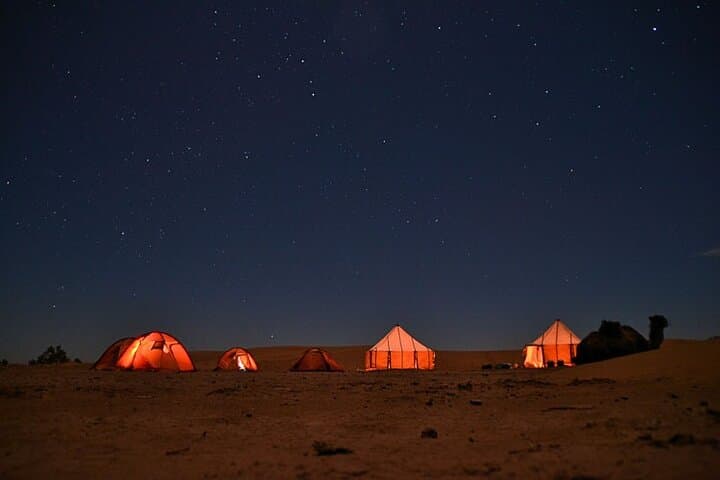
Expect 4–6 hours of daily travel by camel or on foot, simple desert camps with tented sleeping and cooking on open coals, and nights so dark the Milky Way seems to press close. Sandboarding is available for short runs on steeper faces; early mornings and late afternoons offer the best light for photography and cooler travel.
Practical tips: travel light, protect skin from sun and wind, keep hydrated, and pace yourself—desert trekking is steady but sustained. A private guide handles logistics and local permits; transfers typically start and end in Zagora with a final drop-off in M’Hamid. With modest fitness and basic preparation, this is an accessible, immersive desert expedition.
moderate.
5 days.
Suitable for travelers in basic to good fitness; able to walk 4–6 hours intermittently and mount/dismount camels.
Each day typically involves 4–6 hours of camel riding or walking at a relaxed caravan pace; it’s steady but manageable for most travelers with basic fitness.
Camps are tented and rustic—sleeping mats or simple beds, communal meals cooked over coals, and shared facilities; not luxury glamping but comfortable for desert conditions.
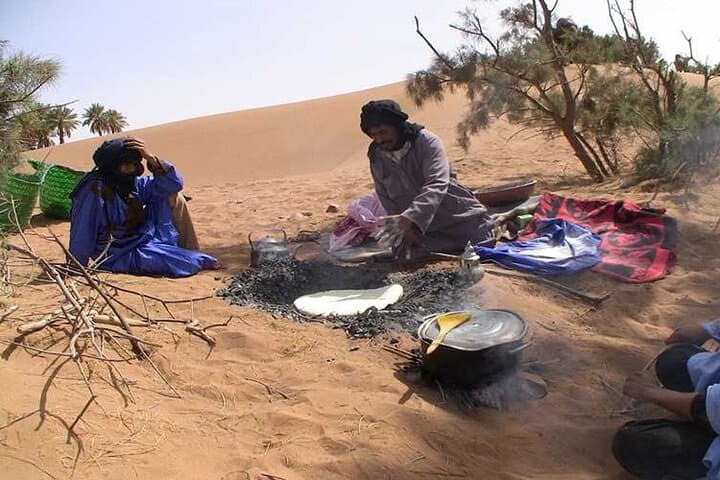
Local Moroccan meals are included—breakfast, lunch and dinner—often featuring tajine, Moroccan salads, bread baked in sand, fruit and unlimited mint tea.
Yes—this private trek is adaptable; camel riding minimizes exertion and guides can adjust distances, but consult the operator for age limits and mobility needs.
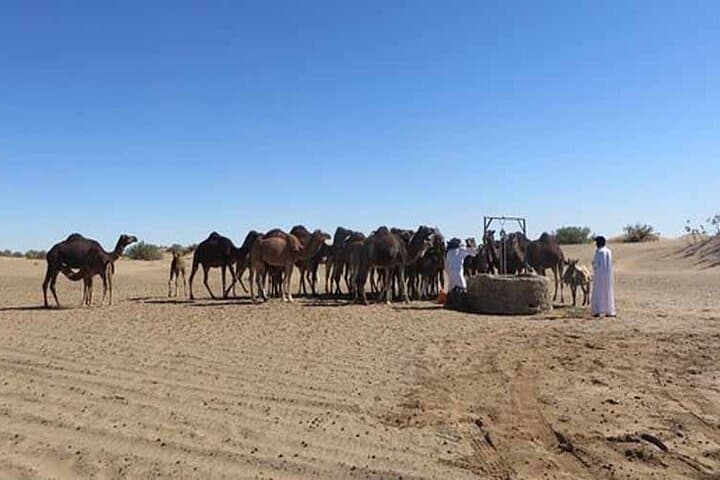
The Draa Valley has been a caravan corridor for centuries, linking Saharan communities with southern Moroccan towns; nomadic Sahrawi culture shapes local music, crafts and tea customs.
Human impact is concentrated around camps and tracks; respect local rules, pack out waste, and avoid driving on fragile interdunal vegetation to limit erosion.
caravane les dune d'or operates guided outdoor trips and adventures with an emphasis on safety, stewardship, and memorable experiences.
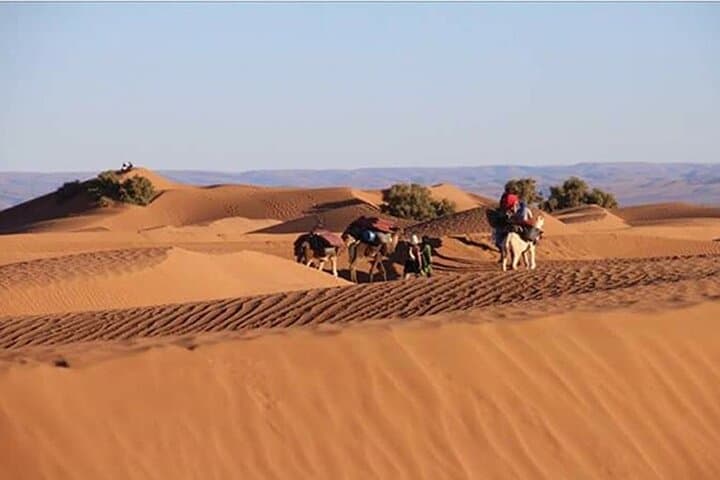
Dawn pulls a cold edge across the sand as you step from a car into the open shoulder of the Sahara. Camels shift and sigh, their bodies rocking like slow boats; the guide—descended from Sahara nomads—ties saddles and hands over a steaming cup of mint tea. You move off in single file, the dunes breathing around you, with long ridgelines that tuck shadows into afternoon hollows.
Dawn pulls a cold edge across the sand as you step from a car into the open shoulder of the Sahara. Camels shift and sigh, their bodies rocking like slow boats; the guide—descended from Sahara nomads—ties saddles and hands over a steaming cup of mint tea. You move off in single file, the dunes breathing around you, with long ridgelines that tuck shadows into afternoon hollows.
This route threads the Draa Valley’s palm oases toward Erg Chigaga, an expanse of large transverse dunes formed by ancient wind patterns and soft, silty sand. The area carries Sahrawi culture: tea rituals at sunset, campfire songs, and tajines prepared in the sand. Geologically recent, Chigaga’s dunes shift with each strong sirocco; the landscape is sculpted more by wind than time.
Expect 4–6 hours of daily travel by camel or on foot, simple desert camps with tented sleeping and cooking on open coals, and nights so dark the Milky Way seems to press close. Sandboarding is available for short runs on steeper faces; early mornings and late afternoons offer the best light for photography and cooler travel.
Practical tips: travel light, protect skin from sun and wind, keep hydrated, and pace yourself—desert trekking is steady but sustained. A private guide handles logistics and local permits; transfers typically start and end in Zagora with a final drop-off in M’Hamid. With modest fitness and basic preparation, this is an accessible, immersive desert expedition.