THE ADVENTURE COLLECTIVE® · Independent discovery and booking for outdoor travel

Spend five days moving between Kibale and Bwindi to take part in chimpanzee and gorilla habituation experiences. This hands-on itinerary pairs rigorous jungle trekking with close, regulated encounters that support conservation and local communities.
Spend five days moving between Kibale and Bwindi to take part in chimpanzee and gorilla habituation experiences. This hands-on itinerary pairs rigorous jungle trekking with close, regulated encounters that support conservation and local communities.
Dawn breaks over the wet, dark green of Kibale; fog lifts in slow curtains and the forest feels like it is exhaling. You step from the lodge into a chorus of calls — chimpanzees testing the morning, birds arguing about territories — and begin the walk that habituation researchers have used for years.
Verified experiences and guided adventures in the surrounding area.
Operated by Simba African Expeditions · Fort Portal, Western Region
Dawn breaks over the wet, dark green of Kibale; fog lifts in slow curtains and the forest feels like it is exhaling. You step from the lodge into a chorus of calls — chimpanzees testing the morning, birds arguing about territories — and begin the walk that habituation researchers have used for years.
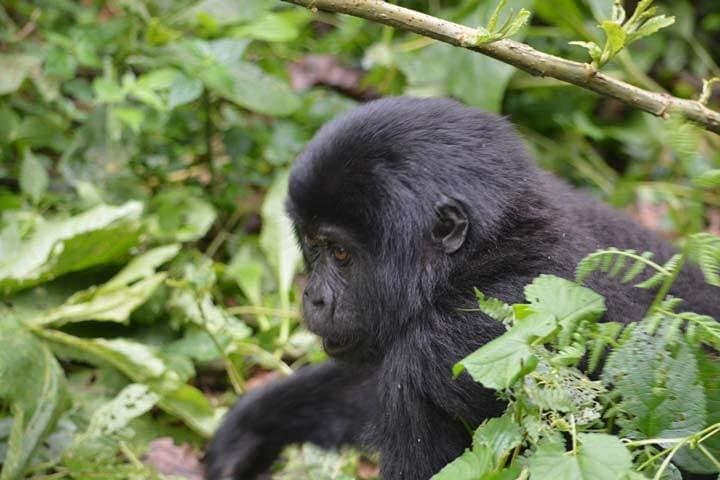
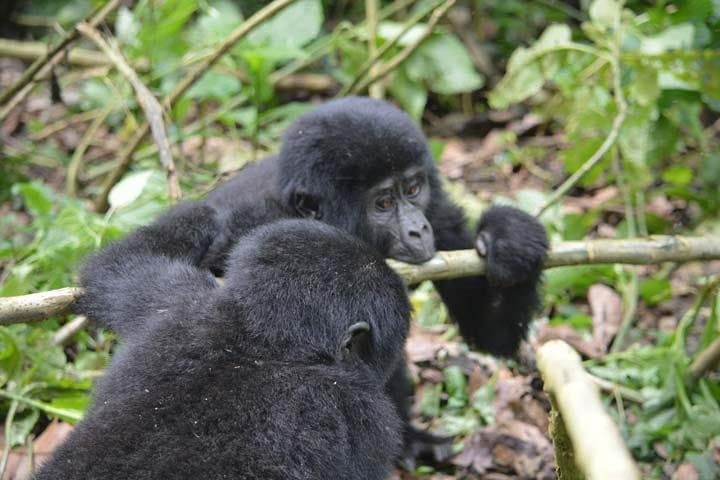
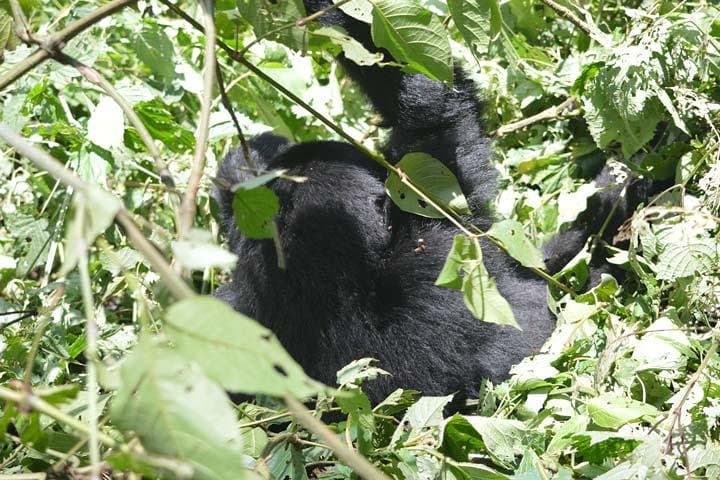
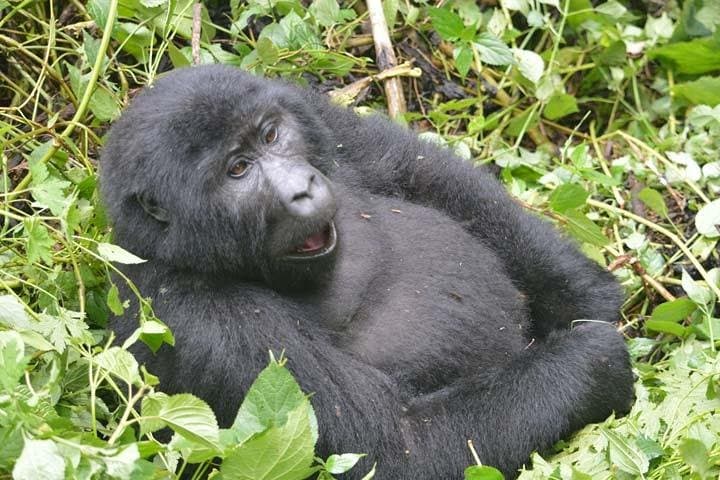
This five-day program pairs two of Uganda’s most compelling primate experiences: chimpanzee habituation in Kibale Forest National Park and mountain gorilla habituation in Bwindi Impenetrable National Park. Kibale sits on rolling volcanic soils at roughly 1,100–1,500 m elevation, its forest a mosaic of tall hardwoods and swampy valleys. Bwindi’s slopes rise higher, with ridges between 1,160 and over 2,000 m carved by ancient tectonics; the forest holds families of gorillas that conservationists have monitored since the 20th century.
Local communities — Bakiga and Batooro among them — have long histories tied to these forests, and habituation permits fund anti-poaching patrols and community projects. Expect muddy tracks, steep steps, and thick understory; the guides move deliberately and the animals decide the day.
Practically: the itinerary involves long drives (Kampala to Kibale ~5–6 hours; Kibale to Bwindi a further multi-hour drive), early starts and full days in the forest that can last 4+ hours of active trekking. Wear high-traction boots, bring rain protection, and carry water and snacks. Be prepared for basic lodges and close contact with staff who brief you on strict protocols: keep distance, avoid sudden moves, and follow ranger instructions at all times.
challenging.
5 days.
Participants should have regular cardio fitness and be comfortable hiking 4+ hours across uneven, sometimes steep terrain.
Yes—both chimpanzee and gorilla habituation require official permits that are limited in number; book these well before travel.
Treks can be strenuous—expect several hours of walking over steep, uneven, and muddy terrain; a moderate to high fitness level is recommended.
Age restrictions vary by park and permit type; check with operators—many habituation programs require participants to be older teens or adults.
Routine vaccinations, yellow fever proof where required, and up-to-date malaria prevention are recommended; consult a travel clinic before departure.
Kibale and Bwindi have long been focal points for primate research and conservation; habituation programs evolved to allow study while funding protection and community benefits.
Permits and guided habituation directly fund anti-poaching patrols and community development; visitors should follow strict protocols to minimize disease and disturbance risks.
Simba African Expeditions operates guided outdoor trips and adventures with an emphasis on safety, stewardship, and memorable experiences.
Dawn breaks over the wet, dark green of Kibale; fog lifts in slow curtains and the forest feels like it is exhaling. You step from the lodge into a chorus of calls — chimpanzees testing the morning, birds arguing about territories — and begin the walk that habituation researchers have used for years.
Dawn breaks over the wet, dark green of Kibale; fog lifts in slow curtains and the forest feels like it is exhaling. You step from the lodge into a chorus of calls — chimpanzees testing the morning, birds arguing about territories — and begin the walk that habituation researchers have used for years.
This five-day program pairs two of Uganda’s most compelling primate experiences: chimpanzee habituation in Kibale Forest National Park and mountain gorilla habituation in Bwindi Impenetrable National Park. Kibale sits on rolling volcanic soils at roughly 1,100–1,500 m elevation, its forest a mosaic of tall hardwoods and swampy valleys. Bwindi’s slopes rise higher, with ridges between 1,160 and over 2,000 m carved by ancient tectonics; the forest holds families of gorillas that conservationists have monitored since the 20th century.
Local communities — Bakiga and Batooro among them — have long histories tied to these forests, and habituation permits fund anti-poaching patrols and community projects. Expect muddy tracks, steep steps, and thick understory; the guides move deliberately and the animals decide the day.
Practically: the itinerary involves long drives (Kampala to Kibale ~5–6 hours; Kibale to Bwindi a further multi-hour drive), early starts and full days in the forest that can last 4+ hours of active trekking. Wear high-traction boots, bring rain protection, and carry water and snacks. Be prepared for basic lodges and close contact with staff who brief you on strict protocols: keep distance, avoid sudden moves, and follow ranger instructions at all times.