THE ADVENTURE COLLECTIVE® · Independent discovery and booking for outdoor travel

Five days moves you from Lima’s coastline to the high Andes: colonial plazas, Sacred Valley villages, and Machu Picchu’s terraces. This compact itinerary balances cultural highlights with practical advice on logistics and altitude.
Five days moves you from Lima’s coastline to the high Andes: colonial plazas, Sacred Valley villages, and Machu Picchu’s terraces. This compact itinerary balances cultural highlights with practical advice on logistics and altitude.
You step off the plane into Lima’s ocean-brushed air, then in five days you’ll trade the coastal fog for highland sun and the tight streets of Cusco for terraces carved into the Andes. On day one the city moves around you—Parque del Beso above the Pacific, colonial plazas, and the Larco Museum’s unlikely collection that frames pre-Columbian life.
Verified experiences and guided adventures in the surrounding area.
Operated by VIPAC Travel · Cusco, Cusco Region
You step off the plane into Lima’s ocean-brushed air, then in five days you’ll trade the coastal fog for highland sun and the tight streets of Cusco for terraces carved into the Andes. On day one the city moves around you—Parque del Beso above the Pacific, colonial plazas, and the Larco Museum’s unlikely collection that frames pre-Columbian life.
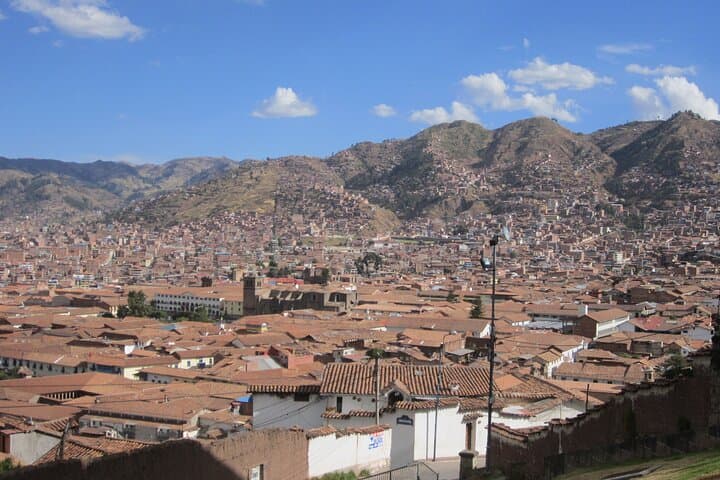
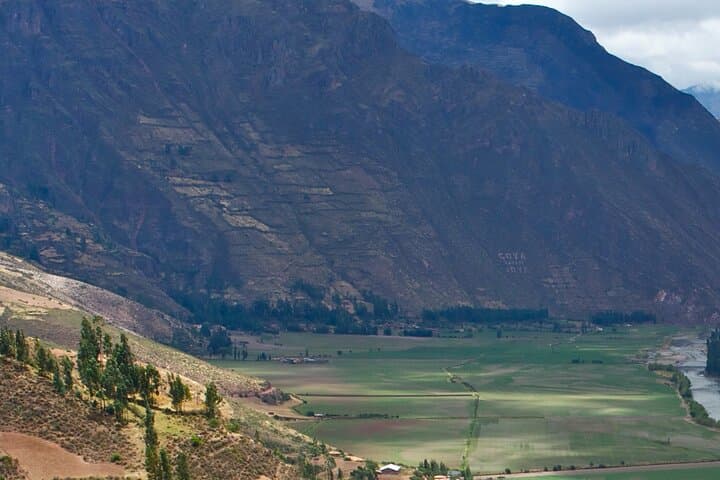
By day two you’re in Cusco, where Inca stonework meets Spanish baroque. Sacsayhuamán’s colossal masonry still feels deliberate; the stones refuse to be overlooked. The Sacred Valley unfolds with human-scaled sites—Chinchero’s textile stalls, Moray’s concentric agricultural labs, and Ollantaytambo’s fortress terraces that channel river and sun.
Machu Picchu arrives like a question answered: terraces, stairways, and ritual spaces anchored on a spine of volcanic rock above the Urubamba River’s canyon. The climb from Aguas Calientes to the citadel is short but exposes visitors to altitude and steep Inca steps; the train and bus logistics are part of the route’s rhythm.
Practical guidance: acclimate in Cusco or the Sacred Valley for at least one full day, carry water and sun protection, and expect uneven stone surfaces and many steps. Machu Picchu tickets are non‑refundable and tightly timed—confirm your date and ID in advance. Pack layers for wide temperature swings between valley dawn and highland sun. Plan pockets of downtime; the most memorable moments here are the slow ones—watching mist lift off terraces or listening to river current push through the canyon below.
moderate.
5 days.
Moderate fitness recommended—able to walk several hours over uneven ground and manage altitude-related breathlessness.
The tour includes guided visits and transfers but Machu Picchu entrance must match your booked date; the provider notes the Machu Picchu ticket is non‑refundable and date changes aren’t accepted.
Most walking is moderate: uneven stone, many steps, and short steep sections—no technical climbing required.
Yes—Cusco sits above 3,300 m; allow time to acclimate, stay hydrated, avoid heavy exertion on arrival day, and consult a physician about preventative medication.
Train service from Ollantaytambo to Aguas Calientes, then a short bus ride up the switchbacks to Machu Picchu; both are coordinated by the operator.
The route threads Inca agricultural innovation and Spanish colonial overlays—from Moray’s experimental terraces to the cathedral-lined Plaza de Armas in Cusco.
Visitor caps and strict trail rules protect fragile high‑Andean soils and archaeological fabric; stick to marked paths and avoid single‑use plastics when possible.
VIPAC Travel operates guided outdoor trips and adventures with an emphasis on safety, stewardship, and memorable experiences.


You step off the plane into Lima’s ocean-brushed air, then in five days you’ll trade the coastal fog for highland sun and the tight streets of Cusco for terraces carved into the Andes. On day one the city moves around you—Parque del Beso above the Pacific, colonial plazas, and the Larco Museum’s unlikely collection that frames pre-Columbian life.
You step off the plane into Lima’s ocean-brushed air, then in five days you’ll trade the coastal fog for highland sun and the tight streets of Cusco for terraces carved into the Andes. On day one the city moves around you—Parque del Beso above the Pacific, colonial plazas, and the Larco Museum’s unlikely collection that frames pre-Columbian life.
By day two you’re in Cusco, where Inca stonework meets Spanish baroque. Sacsayhuamán’s colossal masonry still feels deliberate; the stones refuse to be overlooked. The Sacred Valley unfolds with human-scaled sites—Chinchero’s textile stalls, Moray’s concentric agricultural labs, and Ollantaytambo’s fortress terraces that channel river and sun.
Machu Picchu arrives like a question answered: terraces, stairways, and ritual spaces anchored on a spine of volcanic rock above the Urubamba River’s canyon. The climb from Aguas Calientes to the citadel is short but exposes visitors to altitude and steep Inca steps; the train and bus logistics are part of the route’s rhythm.
Practical guidance: acclimate in Cusco or the Sacred Valley for at least one full day, carry water and sun protection, and expect uneven stone surfaces and many steps. Machu Picchu tickets are non‑refundable and tightly timed—confirm your date and ID in advance. Pack layers for wide temperature swings between valley dawn and highland sun. Plan pockets of downtime; the most memorable moments here are the slow ones—watching mist lift off terraces or listening to river current push through the canyon below.