THE ADVENTURE COLLECTIVE® · Independent discovery and booking for outdoor travel

Cross Scotland from Edinburgh to the Orkney archipelago on a guided five-day loop that pairs Highland panoramas with Neolithic archaeology. Visit Skara Brae, Maeshowe, Loch Ness, Culloden and coastal villages while staying in Inverness, Kirkwall and Ullapool.
Cross Scotland from Edinburgh to the Orkney archipelago on a guided five-day loop that pairs Highland panoramas with Neolithic archaeology. Visit Skara Brae, Maeshowe, Loch Ness, Culloden and coastal villages while staying in Inverness, Kirkwall and Ullapool.
A cold wind off the Pentland Firth pushes the coach door closed and you feel the mainland slide away—peat bogs and wind-swept coasts giving way to the small, stone-built streets of Kirkwall. Over five days the landscape keeps changing: dark, glaciated corries of Glencoe; the long, mysterious ribbon of Loch Ness; and then the flat, Old Red Sandstone islands of Orkney where 5,000-year-old houses still sit in the turf like deliberate ghosts.
Verified experiences and guided adventures in the surrounding area.
Operated by Rabbies Trail Burners · Kirkwall, Orkney Islands
A cold wind off the Pentland Firth pushes the coach door closed and you feel the mainland slide away—peat bogs and wind-swept coasts giving way to the small, stone-built streets of Kirkwall. Over five days the landscape keeps changing: dark, glaciated corries of Glencoe; the long, mysterious ribbon of Loch Ness; and then the flat, Old Red Sandstone islands of Orkney where 5,000-year-old houses still sit in the turf like deliberate ghosts.
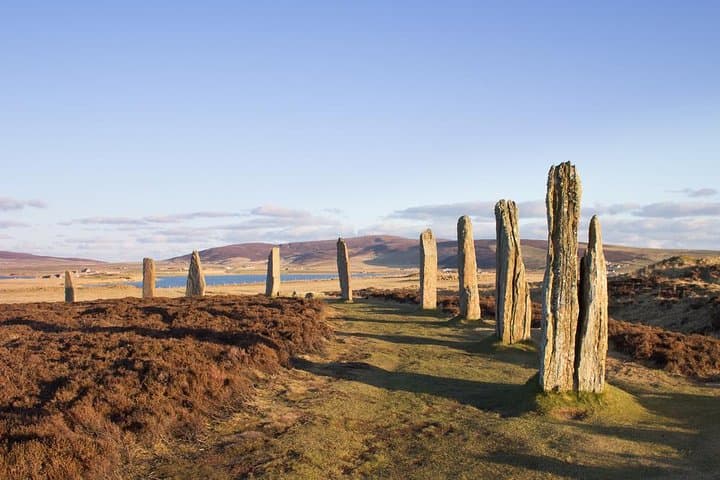
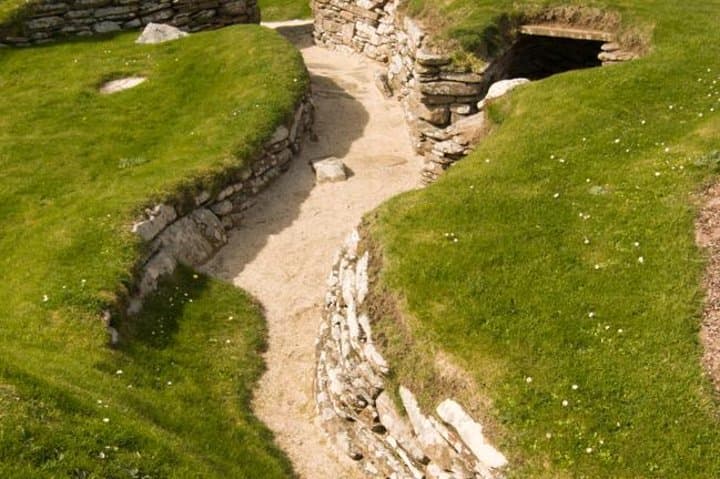
This route stitches together Scotland’s deep past and rugged geology. Skara Brae and Maeshowe speak to a Neolithic seafaring culture; the Standing Stones of Stenness and Ring of Brodgar show later ritual landscapes set on wind-polished bedrock. Viking influence remains in place names and Kirkwall’s cathedral, while Culloden and Ardvreck mark more recent, violent chapters of Highland history.
Practically, the tour balances seated travel with short walks and museum visits: expect uneven paths, low-light chambered cairns, and exposed coastal viewpoints. Ferries across the Pentland Firth are short but can be choppy—bring motion-sickness remedies. Accommodation is a mix of 3-star B&Bs and hotels with breakfast included; luggage is limited to roughly 20kg. Summer offers long daylight for photography; winter days are short and wind-prone.
Pack layered waterproofs, sturdy boots, and a small daypack for the archaeological sites. Allow extra time in Inverness or Ullapool if you want to hike or explore beyond the scheduled stops. The tour is structured and guide-led, making it a strong choice for first-time visitors who want archaeology, Highlands scenery, and Orkney’s coastal character in a single, compact itinerary.
moderate.
5 days.
Suitable for travelers in general good health; able to disembark coach and walk 20–60 minutes on uneven terrain several times over the tour.
Yes — tickets for Skara Brae and Maeshowe are included in the tour price and reserved on your behalf.
Most stops include short walks of 20–60 minutes over uneven ground; the tour is otherwise coach-based and suitable for a wide range of fitness levels.
The tour restricts luggage to approximately 20kg (one medium suitcase) plus a small bag for onboard items.
Accommodations are 3-star B&Bs or hotels; B&Bs can be on town outskirts with a 20–30 minute walk to local facilities, while hotels tend to be more central.
Orkney’s archaeological record is among Europe’s oldest—Skara Brae and the chambered cairns predate the Egyptian pyramids, while Norse rule left a strong linguistic and ecclesiastical legacy.
Orkney sites are managed to protect fragile archaeology and bird habitats; stick to marked paths, avoid climbing on monuments, and follow local guidance to reduce impact.
Rabbies Trail Burners operates guided outdoor trips and adventures with an emphasis on safety, stewardship, and memorable experiences.

A cold wind off the Pentland Firth pushes the coach door closed and you feel the mainland slide away—peat bogs and wind-swept coasts giving way to the small, stone-built streets of Kirkwall. Over five days the landscape keeps changing: dark, glaciated corries of Glencoe; the long, mysterious ribbon of Loch Ness; and then the flat, Old Red Sandstone islands of Orkney where 5,000-year-old houses still sit in the turf like deliberate ghosts.
A cold wind off the Pentland Firth pushes the coach door closed and you feel the mainland slide away—peat bogs and wind-swept coasts giving way to the small, stone-built streets of Kirkwall. Over five days the landscape keeps changing: dark, glaciated corries of Glencoe; the long, mysterious ribbon of Loch Ness; and then the flat, Old Red Sandstone islands of Orkney where 5,000-year-old houses still sit in the turf like deliberate ghosts.
This route stitches together Scotland’s deep past and rugged geology. Skara Brae and Maeshowe speak to a Neolithic seafaring culture; the Standing Stones of Stenness and Ring of Brodgar show later ritual landscapes set on wind-polished bedrock. Viking influence remains in place names and Kirkwall’s cathedral, while Culloden and Ardvreck mark more recent, violent chapters of Highland history.
Practically, the tour balances seated travel with short walks and museum visits: expect uneven paths, low-light chambered cairns, and exposed coastal viewpoints. Ferries across the Pentland Firth are short but can be choppy—bring motion-sickness remedies. Accommodation is a mix of 3-star B&Bs and hotels with breakfast included; luggage is limited to roughly 20kg. Summer offers long daylight for photography; winter days are short and wind-prone.
Pack layered waterproofs, sturdy boots, and a small daypack for the archaeological sites. Allow extra time in Inverness or Ullapool if you want to hike or explore beyond the scheduled stops. The tour is structured and guide-led, making it a strong choice for first-time visitors who want archaeology, Highlands scenery, and Orkney’s coastal character in a single, compact itinerary.