THE ADVENTURE COLLECTIVE® · Independent discovery and booking for outdoor travel

A compact five-day circuit through southern Ethiopia’s Omo Valley, this tour brings travelers face-to-face with Hamer bull-jumping, Mursi lip-plate culture, Dorze weaving and Konso stone-building. Expect long drives, rustic lodging and immersive, guided village visits.
A compact five-day circuit through southern Ethiopia’s Omo Valley, this tour brings travelers face-to-face with Hamer bull-jumping, Mursi lip-plate culture, Dorze weaving and Konso stone-building. Expect long drives, rustic lodging and immersive, guided village visits.
Dawn breaks over the Omo River as a dusty convoy threads red-earth roads toward a cluster of villages where time follows its own rules. Millet smoke curls from earthen hearths, cattle move like punctuation through open plains, and painted faces and braided hair come into view—each detail a living record of place and lineage.
Verified experiences and guided adventures in the surrounding area.
Operated by Enat Ethiopia Tours · Turmi, Southern Nations, Nationalities, and Peoples' Region
Dawn breaks over the Omo River as a dusty convoy threads red-earth roads toward a cluster of villages where time follows its own rules. Millet smoke curls from earthen hearths, cattle move like punctuation through open plains, and painted faces and braided hair come into view—each detail a living record of place and lineage.
The Omo Valley is an archaeological and cultural crossroads in southern Ethiopia. Geologically, the valley is part of the East African Rift; its shifting basins and river terraces have shaped human settlement for millennia. UNESCO-recognized Konso stonework sits alongside Dorze thatch weavers and the Hamer bull-jumping rites, showing how social systems and landscape are intertwined. Travelers will see Mursi lip plates, Karo body painting, and the generation poles of Konso—visual languages of identity and memory.
Practically, the trip is a paced, five-day circuit: fly into Arba Minch, move overland to Konso, Turmi and Jinka, visit Mago National Park pockets and take a short boat crossing near Dessenach communities. Expect long road segments on dirt surfaces, basic lodges and local meals, and culturally guided visits that require sensitivity and modest fees in some villages.
Pack for sun, dust and occasional heat: breathable layers, sun protection, and sturdy shoes for village walks. Carry small bills for market purchases and respect photography norms—ask first. Guides provide local context and arrange transport; independent wandering through sacred spaces is discouraged. The result is an intimate, on-the-ground encounter with some of Ethiopia’s most resilient cultures—direct, immediate and unforgettable.
easy.
5 days.
Suitable for travelers in average fitness—short village walks, standing during ceremonies, and extended vehicle transfers; no strenuous hiking required.
Routine vaccinations are recommended; check WHO guidance and consult a travel clinic for updates on yellow fever requirements and malaria prophylaxis.
Visits are generally safe when accompanied by a licensed local guide who understands customs; solo wandering is discouraged for cultural and safety reasons.
Some ceremonies restrict cameras or require permission and payment; always ask the local guide and respect community rules.
Expect simple lodges and traditional meals—breakfast included daily—suitable for most travelers but without luxury amenities and with variable hot-water availability.
The Omo Valley is home to more than 20 ethnic groups and sits within the East African Rift, where human habitation and cultural systems evolved alongside dramatic geological change.
Tourism supports local incomes but also brings pressure on water and grazing; respectful visitation, small-group touring and paying community fees help reduce impact.
Enat Ethiopia Tours operates guided outdoor trips and adventures with an emphasis on safety, stewardship, and memorable experiences.
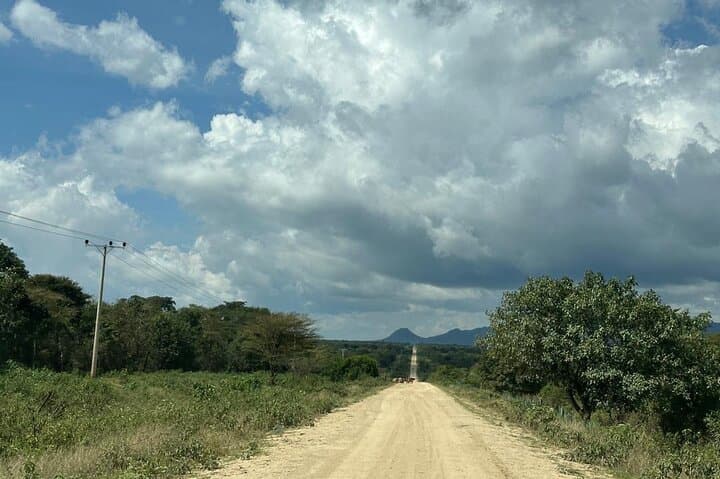
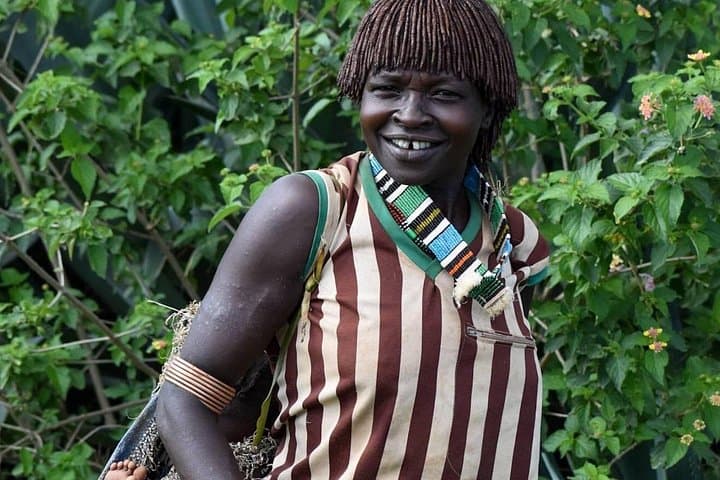

Dawn breaks over the Omo River as a dusty convoy threads red-earth roads toward a cluster of villages where time follows its own rules. Millet smoke curls from earthen hearths, cattle move like punctuation through open plains, and painted faces and braided hair come into view—each detail a living record of place and lineage.
Dawn breaks over the Omo River as a dusty convoy threads red-earth roads toward a cluster of villages where time follows its own rules. Millet smoke curls from earthen hearths, cattle move like punctuation through open plains, and painted faces and braided hair come into view—each detail a living record of place and lineage.
The Omo Valley is an archaeological and cultural crossroads in southern Ethiopia. Geologically, the valley is part of the East African Rift; its shifting basins and river terraces have shaped human settlement for millennia. UNESCO-recognized Konso stonework sits alongside Dorze thatch weavers and the Hamer bull-jumping rites, showing how social systems and landscape are intertwined. Travelers will see Mursi lip plates, Karo body painting, and the generation poles of Konso—visual languages of identity and memory.
Practically, the trip is a paced, five-day circuit: fly into Arba Minch, move overland to Konso, Turmi and Jinka, visit Mago National Park pockets and take a short boat crossing near Dessenach communities. Expect long road segments on dirt surfaces, basic lodges and local meals, and culturally guided visits that require sensitivity and modest fees in some villages.
Pack for sun, dust and occasional heat: breathable layers, sun protection, and sturdy shoes for village walks. Carry small bills for market purchases and respect photography norms—ask first. Guides provide local context and arrange transport; independent wandering through sacred spaces is discouraged. The result is an intimate, on-the-ground encounter with some of Ethiopia’s most resilient cultures—direct, immediate and unforgettable.