THE ADVENTURE COLLECTIVE® · Independent discovery and booking for outdoor travel

This compact 5-day loop from Muscat weaves seaside canyons, ancient trading ports, desert dunes and turtle beaches. Expect coastal hikes, pool swims, night under the stars and a primer on Oman's maritime history.
This compact 5-day loop from Muscat weaves seaside canyons, ancient trading ports, desert dunes and turtle beaches. Expect coastal hikes, pool swims, night under the stars and a primer on Oman's maritime history.
Arrive in Muscat and the air smells faintly of sea salt and cardamom; minarets catch the low light while traffic hums along Corniche roads. By day two the coast opens—jade pools in Wadi Shab daring you to swim, the narrow gorge pushing you between cliffs and toward hidden caverns. The route threads history and geology: coastal limestone cliffs give way to shell-rich sands, then the inland plain dissolves into the ochre waves of Wahiba Sands where dunes shift like living walls.
Verified experiences and guided adventures in the surrounding area.
Operated by Oman Safari Tours · Muscat, Muscat Governorate
Arrive in Muscat and the air smells faintly of sea salt and cardamom; minarets catch the low light while traffic hums along Corniche roads. By day two the coast opens—jade pools in Wadi Shab daring you to swim, the narrow gorge pushing you between cliffs and toward hidden caverns. The route threads history and geology: coastal limestone cliffs give way to shell-rich sands, then the inland plain dissolves into the ochre waves of Wahiba Sands where dunes shift like living walls.
This loop follows centuries of maritime trade. Qalhat and Sur were once ports on the frankincense and spice routes; Portuguese forts at Al Alam Palace speak to later contests for control of these shores. Villages like Ibra and Al Mudayrib display defensive watchtowers—stone answers to tribal rivalries and caravan tracks.
Expect varied terrain: paved highway driving between cities, a 30–60 minute walk into Wadi Shab over boulder and loose-rock trail, stagnant pools in Wadi Bani Khalid with short scrub approaches, and soft, vehicle-access desert dunes where 4x4s climb steep faces. Cultural touches are immediate—Muttrah Souq bargaining, dates and coffee offered at stops, and small coastal towns with dhow-building yards.
Practical guidance: bring sturdy walking shoes and a small dry bag for swims, plan for long drives (2–4 hours between key points), and book turtle-spotting nights in Ras al Hadd in advance. Hydrate frequently and carry cash for souqs; nighttime in the desert requires warm layers and wind protection. This five-day itinerary balances swimming, cultural stops, dune time, and short hikes for a compact, tangible taste of Oman.
moderate.
4–5 days.
Moderate fitness recommended—able to handle short hikes (30–90 minutes), swim gaps, and several hours in a vehicle.
No—organized tours provide appropriate vehicles; privately, a 4x4 is recommended for driving on large dunes.
Yes for strong swimmers—pools are generally shallow to moderate depth, but watch for slippery rocks and variable currents in cave pools.
Turtle nesting at Ras al Hadd is seasonal, peaking in the warmer months; book an evening guided walk with local conservation-licensed groups.
Yes—the itinerary includes low-impact activities and vehicle transfers; some wadi walks require stepping over rocks, so supervision is recommended for young children.
Coastal towns like Qalhat and Sur were key points on frankincense and spice trading routes; Portuguese forts later marked strategic control of Muscat's harbor.
Turtle nesting is protected—guided tours follow strict viewing rules; desert camps practice low-impact camping but avoid off-track driving to protect dune flora.
Oman Safari Tours operates guided outdoor trips and adventures with an emphasis on safety, stewardship, and memorable experiences.
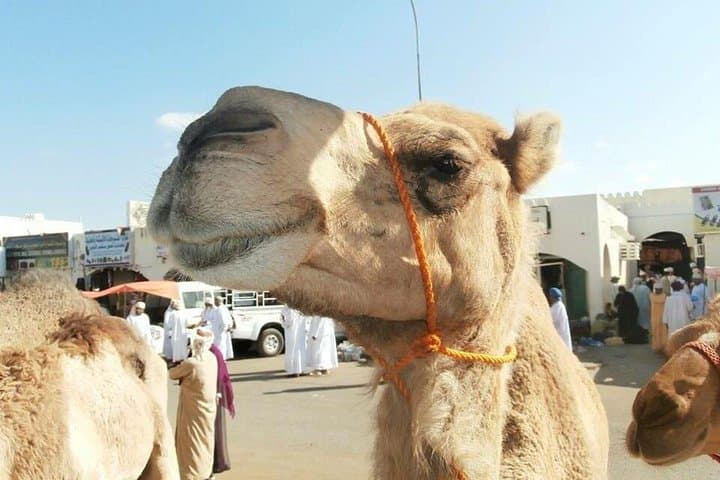
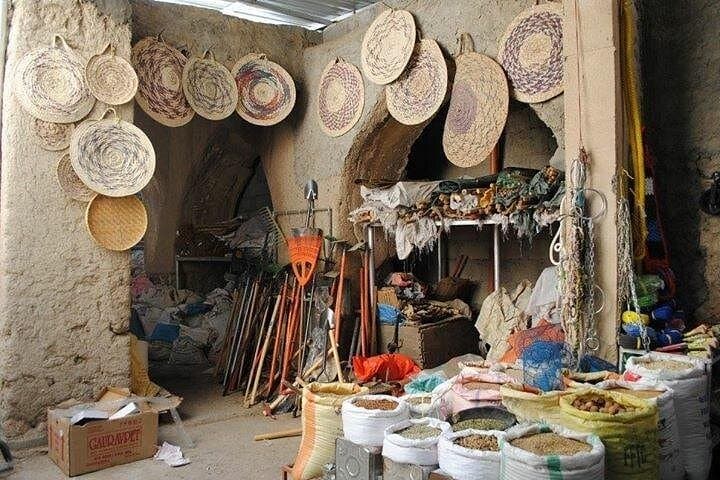
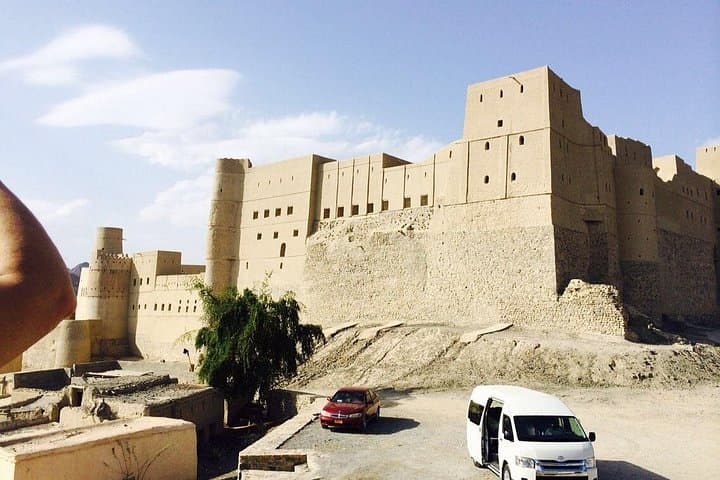
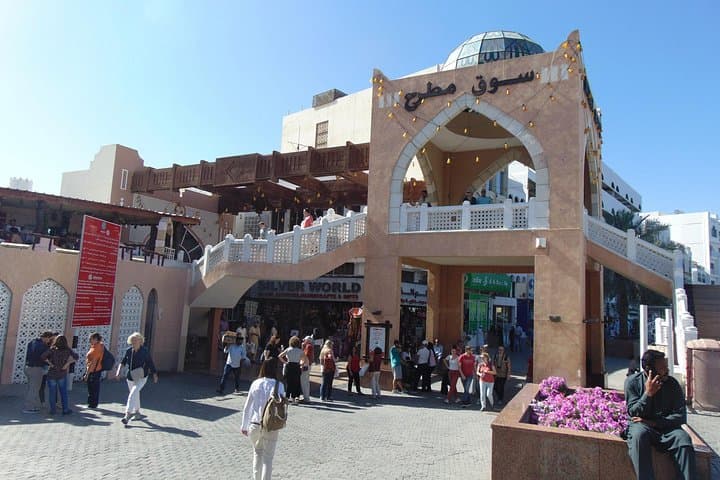
Arrive in Muscat and the air smells faintly of sea salt and cardamom; minarets catch the low light while traffic hums along Corniche roads. By day two the coast opens—jade pools in Wadi Shab daring you to swim, the narrow gorge pushing you between cliffs and toward hidden caverns. The route threads history and geology: coastal limestone cliffs give way to shell-rich sands, then the inland plain dissolves into the ochre waves of Wahiba Sands where dunes shift like living walls.
Arrive in Muscat and the air smells faintly of sea salt and cardamom; minarets catch the low light while traffic hums along Corniche roads. By day two the coast opens—jade pools in Wadi Shab daring you to swim, the narrow gorge pushing you between cliffs and toward hidden caverns. The route threads history and geology: coastal limestone cliffs give way to shell-rich sands, then the inland plain dissolves into the ochre waves of Wahiba Sands where dunes shift like living walls.
This loop follows centuries of maritime trade. Qalhat and Sur were once ports on the frankincense and spice routes; Portuguese forts at Al Alam Palace speak to later contests for control of these shores. Villages like Ibra and Al Mudayrib display defensive watchtowers—stone answers to tribal rivalries and caravan tracks.
Expect varied terrain: paved highway driving between cities, a 30–60 minute walk into Wadi Shab over boulder and loose-rock trail, stagnant pools in Wadi Bani Khalid with short scrub approaches, and soft, vehicle-access desert dunes where 4x4s climb steep faces. Cultural touches are immediate—Muttrah Souq bargaining, dates and coffee offered at stops, and small coastal towns with dhow-building yards.
Practical guidance: bring sturdy walking shoes and a small dry bag for swims, plan for long drives (2–4 hours between key points), and book turtle-spotting nights in Ras al Hadd in advance. Hydrate frequently and carry cash for souqs; nighttime in the desert requires warm layers and wind protection. This five-day itinerary balances swimming, cultural stops, dune time, and short hikes for a compact, tangible taste of Oman.