THE ADVENTURE COLLECTIVE® · Independent discovery and booking for outdoor travel

Float above Luxor at sunrise, then follow the Nile’s slow current through Ptolemaic temples, Nubian islands and the monumental Abu Simbel. This 5-day cruise pairs aerial perspective with on-foot exploration of Egypt’s most famous archaeological sites.
Float above Luxor at sunrise, then follow the Nile’s slow current through Ptolemaic temples, Nubian islands and the monumental Abu Simbel. This 5-day cruise pairs aerial perspective with on-foot exploration of Egypt’s most famous archaeological sites.
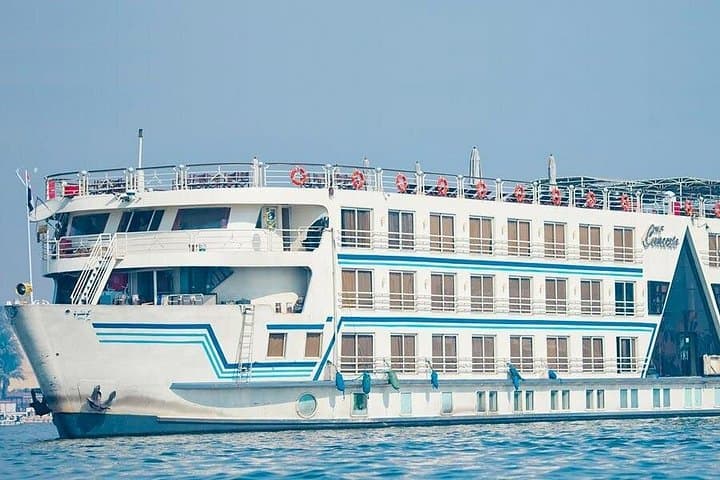
You lift off before dawn: a basket hums, the desert light sharpens, and the Nile slips beneath like a dark ribbon. The balloon glides over the East Bank’s temple fields; Karnak’s colonnades and the town’s low flat roofs shrink into a grid of ochre and palm. Back on deck, the cruise slips downstream, past green islands and the occasional felucca, while sandstone cliffs and low desert remind you the river is the life-line between two very different landscapes.
Verified experiences and guided adventures in the surrounding area.
Operated by Perfect Day Tours · Luxor, Luxor Governorate
You lift off before dawn: a basket hums, the desert light sharpens, and the Nile slips beneath like a dark ribbon. The balloon glides over the East Bank’s temple fields; Karnak’s colonnades and the town’s low flat roofs shrink into a grid of ochre and palm. Back on deck, the cruise slips downstream, past green islands and the occasional felucca, while sandstone cliffs and low desert remind you the river is the life-line between two very different landscapes.
This itinerary threads the most consequential archaeological sites of Upper Egypt — Luxor’s Valley of the Kings and Hatshepsut’s mortuary temple, Karnak’s layered temples, the Ptolemaic shrines at Kom Ombo and Edfu, Philae’s island temple, and the rock-cut giants of Abu Simbel. Geologically the Nile here carves a narrow floodplain hemmed by Nubian sandstone and desert plateaus; culturally it’s the heart of ancient Egyptian ritual and modern Nubian villages.
Practical notes: expect early mornings, guided walks on uneven stone, and long motor transfers for Abu Simbel (pre-dawn departures are common). Hydrate constantly, use high-SPF sunscreen and a hat, and wear sturdy, broken-in shoes for stairs and temple ramps. Bring local currency for markets and tips; photo permits and site opening times vary by season.
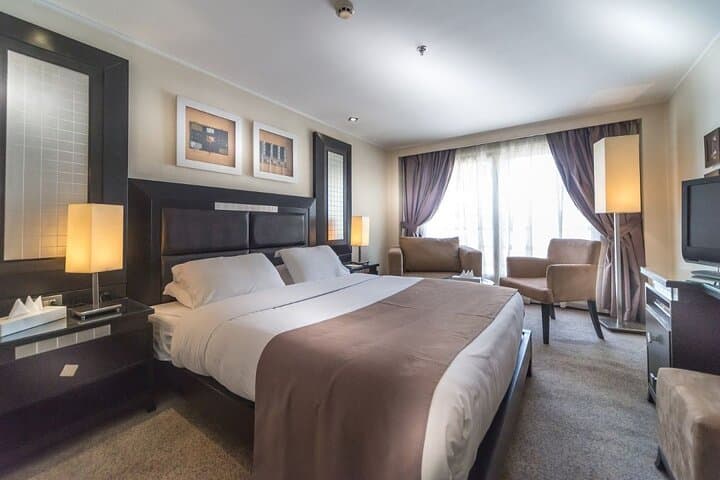
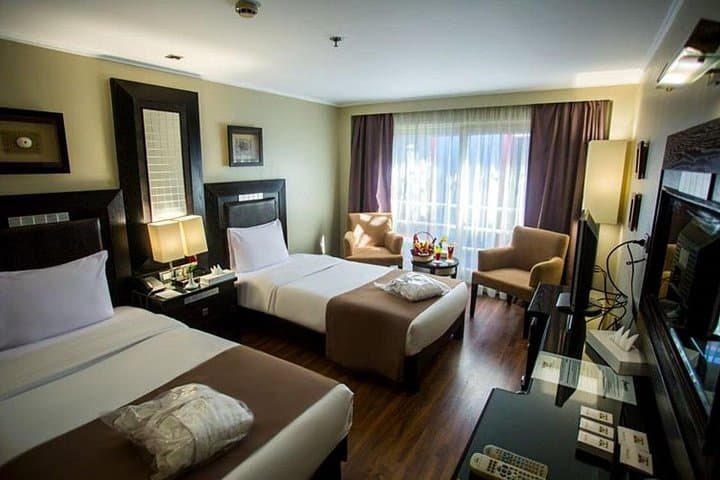
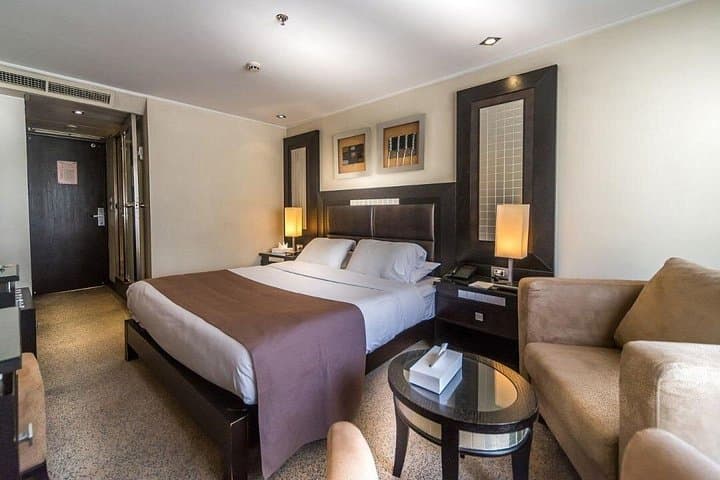
The cruise balances immersive archaeology with leisurely river time — hot-air ballooning offers aerial context, the sun deck gives panoramic light, and evenings onboard compress the day: meals, briefings, and the river’s steady push toward Aswan.
moderate.
5 days.
Suitable for travelers who can handle several hours of walking on uneven surfaces and occasional stairs; basic mobility required.
The balloon flight is scheduled on the itinerary (usually Day 2) but is weather-dependent; operators try to reschedule when possible but cancellations can occur.
Abu Simbel is approximately a 3–4 hour road transfer each way from Aswan; tours typically depart very early to allow time at the temples and return by early afternoon.
Many sites have uneven terrain and steps; some areas and transfer vehicles offer limited accessibility—check specific accommodations in advance with the operator.
Bring Egyptian pounds for small purchases and tips; major hotels and some larger vendors accept cards, but cash is essential for local markets and gratuities.
Upper Egypt’s banks hosted pharaonic capitals and royal necropolises; many temples were expanded over centuries, so sites show layers of New Kingdom, Ptolemaic and Roman construction.
Visitor pressure and sunlight erode exposed stone; choose operators who limit waste, use refillable water options, and respect restricted areas around fragile reliefs.
Perfect Day Tours operates guided outdoor trips and adventures with an emphasis on safety, stewardship, and memorable experiences.
You lift off before dawn: a basket hums, the desert light sharpens, and the Nile slips beneath like a dark ribbon. The balloon glides over the East Bank’s temple fields; Karnak’s colonnades and the town’s low flat roofs shrink into a grid of ochre and palm. Back on deck, the cruise slips downstream, past green islands and the occasional felucca, while sandstone cliffs and low desert remind you the river is the life-line between two very different landscapes.
You lift off before dawn: a basket hums, the desert light sharpens, and the Nile slips beneath like a dark ribbon. The balloon glides over the East Bank’s temple fields; Karnak’s colonnades and the town’s low flat roofs shrink into a grid of ochre and palm. Back on deck, the cruise slips downstream, past green islands and the occasional felucca, while sandstone cliffs and low desert remind you the river is the life-line between two very different landscapes.
This itinerary threads the most consequential archaeological sites of Upper Egypt — Luxor’s Valley of the Kings and Hatshepsut’s mortuary temple, Karnak’s layered temples, the Ptolemaic shrines at Kom Ombo and Edfu, Philae’s island temple, and the rock-cut giants of Abu Simbel. Geologically the Nile here carves a narrow floodplain hemmed by Nubian sandstone and desert plateaus; culturally it’s the heart of ancient Egyptian ritual and modern Nubian villages.
Practical notes: expect early mornings, guided walks on uneven stone, and long motor transfers for Abu Simbel (pre-dawn departures are common). Hydrate constantly, use high-SPF sunscreen and a hat, and wear sturdy, broken-in shoes for stairs and temple ramps. Bring local currency for markets and tips; photo permits and site opening times vary by season.
The cruise balances immersive archaeology with leisurely river time — hot-air ballooning offers aerial context, the sun deck gives panoramic light, and evenings onboard compress the day: meals, briefings, and the river’s steady push toward Aswan.