THE ADVENTURE COLLECTIVE® · Independent discovery and booking for outdoor travel

Cruise five days down the Nile between Luxor and Aswan, visiting Karnak, the Valley of the Kings, Kom Ombo, Edfu and the relocated Abu Simbel temples. This practical guide outlines what to expect, how to prepare and the local highlights you shouldn’t miss.
Cruise five days down the Nile between Luxor and Aswan, visiting Karnak, the Valley of the Kings, Kom Ombo, Edfu and the relocated Abu Simbel temples. This practical guide outlines what to expect, how to prepare and the local highlights you shouldn’t miss.
You step aboard at dawn as the Nile brushes past the ship like a slow, dark ribbon that refuses to hurry. Palm-framed fields slide by while fishermen reset nets and minarets puncture the pale sky; the vessel becomes a moving base camp for five days of ancient stone and hot, clear light.
Verified experiences and guided adventures in the surrounding area.
Operated by Roxana Travel · Luxor, Luxor Governorate
You step aboard at dawn as the Nile brushes past the ship like a slow, dark ribbon that refuses to hurry. Palm-framed fields slide by while fishermen reset nets and minarets puncture the pale sky; the vessel becomes a moving base camp for five days of ancient stone and hot, clear light.
This itinerary threads the New Kingdom’s high points—Karnak’s colonnades, the Valley of the Kings’ painted tombs, Hatshepsut’s terraced mortuary—then follows the river south to Kom Ombo, Edfu and Aswan, ending with the monolithic Abu Simbel. Geologically, the Nile has carved a corridor through Nubian sandstone, concentrating temples at the river’s accessible bends; culturally you’ll cross zones of Pharaonic power and modern Nubian life.
Expect guided archaeological context from an Egyptologist and several short, often stepped excursions from the ship to temple sites. Mornings and late afternoons are best for light and cooler temperatures; midday is for transit and shaded lunches on board. The Abu Simbel visit carries a long UNESCO story—the temples were rescued and relocated during the Aswan dam project—so the stop reads like both history and engineering.
Practical side: bring sturdy walking shoes for uneven stone, sun protection, and a refillable water bottle; many sites have steps and sandy approaches. Plan for early departures, modest local dress at religious sites, and limited mobile reception. Book the sound-and-light show in advance if you want evening narration at Abu Simbel. With balanced pacing between on-shore exploration and river downtime, this cruise delivers concentrated history with uncomplicated logistics.
easy.
5 days.
Light to moderate—suitable for travelers who can walk short distances and climb stairs repeatedly.
Most days include short to moderate walks at temple complexes (20–60 minutes on foot) with stairs and uneven surfaces; the cruise itself provides seated transit between sites.
This itinerary typically includes guided visits but confirm whether specific site entrance fees are covered in your booking details.
The cruise is generally suitable for families, but many temple approaches and tombs involve steps; check accessibility details and consider private transport for mobility needs.
Abu Simbel is about 230 km southwest of Aswan; visits are by road or short internal flight depending on the operator and schedule.
Many sites visited date to Egypt’s New Kingdom (16th–11th centuries BC); Abu Simbel was relocated in the 1960s to save it from Lake Nasser after the Aswan High Dam was built.
UNESCO-led relocation of Abu Simbel is a major conservation success; visitors should stick to paths, avoid touching reliefs and minimize water and plastic waste to protect fragile sites.
Roxana Travel operates guided outdoor trips and adventures with an emphasis on safety, stewardship, and memorable experiences.
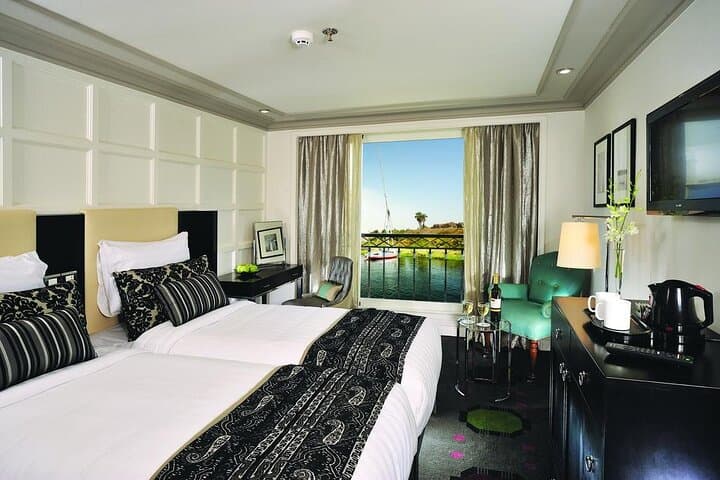
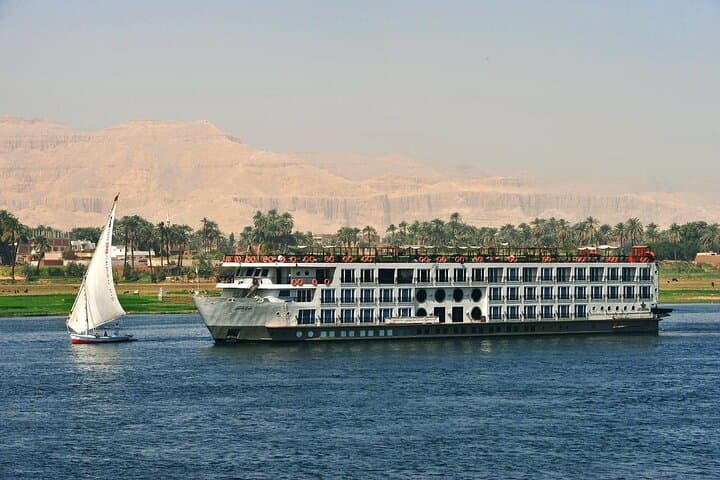
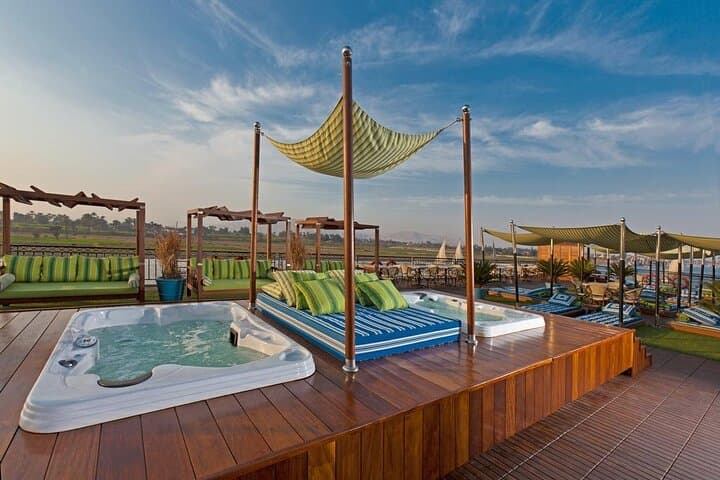
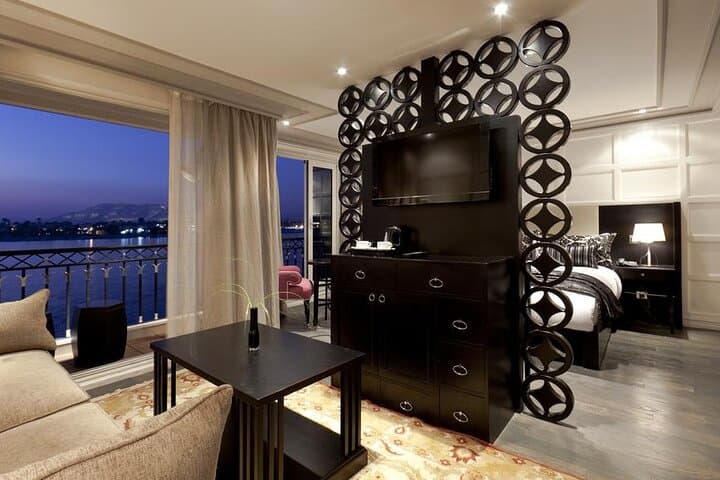
You step aboard at dawn as the Nile brushes past the ship like a slow, dark ribbon that refuses to hurry. Palm-framed fields slide by while fishermen reset nets and minarets puncture the pale sky; the vessel becomes a moving base camp for five days of ancient stone and hot, clear light.
You step aboard at dawn as the Nile brushes past the ship like a slow, dark ribbon that refuses to hurry. Palm-framed fields slide by while fishermen reset nets and minarets puncture the pale sky; the vessel becomes a moving base camp for five days of ancient stone and hot, clear light.
This itinerary threads the New Kingdom’s high points—Karnak’s colonnades, the Valley of the Kings’ painted tombs, Hatshepsut’s terraced mortuary—then follows the river south to Kom Ombo, Edfu and Aswan, ending with the monolithic Abu Simbel. Geologically, the Nile has carved a corridor through Nubian sandstone, concentrating temples at the river’s accessible bends; culturally you’ll cross zones of Pharaonic power and modern Nubian life.
Expect guided archaeological context from an Egyptologist and several short, often stepped excursions from the ship to temple sites. Mornings and late afternoons are best for light and cooler temperatures; midday is for transit and shaded lunches on board. The Abu Simbel visit carries a long UNESCO story—the temples were rescued and relocated during the Aswan dam project—so the stop reads like both history and engineering.
Practical side: bring sturdy walking shoes for uneven stone, sun protection, and a refillable water bottle; many sites have steps and sandy approaches. Plan for early departures, modest local dress at religious sites, and limited mobile reception. Book the sound-and-light show in advance if you want evening narration at Abu Simbel. With balanced pacing between on-shore exploration and river downtime, this cruise delivers concentrated history with uncomplicated logistics.