THE ADVENTURE COLLECTIVE® · Independent discovery and booking for outdoor travel

Float between Luxor and Aswan on a 5-day, 4-night Nile cruise that pairs on-deck relaxation with guided visits to Karnak, the Valley of the Kings, Edfu, Kom Ombo and a shared Abu Simbel excursion. Expect early starts, strong sun and easy walking at archaeological sites.
Float between Luxor and Aswan on a 5-day, 4-night Nile cruise that pairs on-deck relaxation with guided visits to Karnak, the Valley of the Kings, Edfu, Kom Ombo and a shared Abu Simbel excursion. Expect early starts, strong sun and easy walking at archaeological sites.
Morning sun slices across the Nile as a five-star dahabiya slips away from Luxor; the river breathes, carrying sandstone quarries, palm-lined islands and the slow geometry of temple pylons past a deck of travelers. Onboard life staggers between early temple runs and late sundeck tea, each day a measured shift downstream.
Verified experiences and guided adventures in the surrounding area.
Operated by Egypt Package Tours · Luxor, Luxor Governorate
Morning sun slices across the Nile as a five-star dahabiya slips away from Luxor; the river breathes, carrying sandstone quarries, palm-lined islands and the slow geometry of temple pylons past a deck of travelers. Onboard life staggers between early temple runs and late sundeck tea, each day a measured shift downstream.
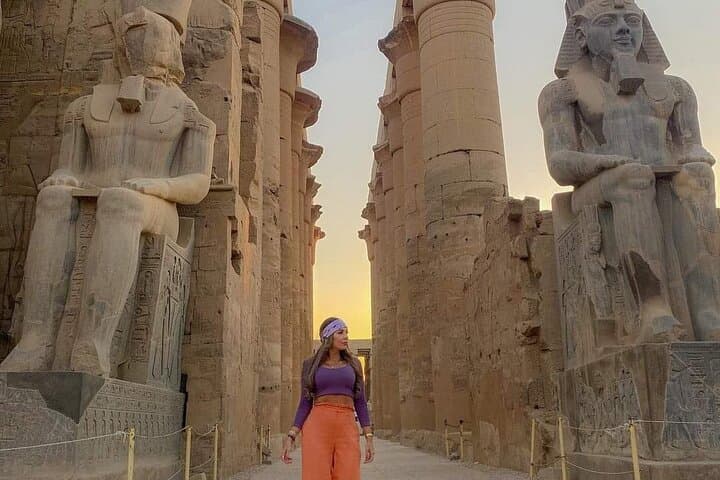
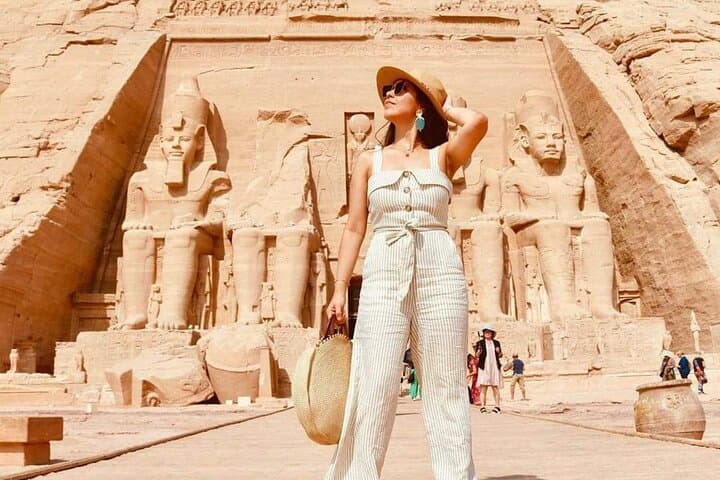
This itinerary threads pharaonic high points: Karnak’s sprawling precinct (about 63 acres of obelisks and columned halls), the rock-cut tombs of the Valley of the Kings, Hatshepsut’s mortuary temple and the intact Ptolemaic shrine at Edfu. Geology matters here — the Nile carved a corridor through sedimentary limestone and sandstone that ancient builders used as both quarry and canvas. Modern history arrives in Aswan: the High Dam reshaped the river and relocated temples like Abu Simbel, 285 km farther south, moved stone by stone in the 1960s to save them from Lake Nasser.
Culturally the cruise is a mix of Egyptology briefings, Nubian musical nights and local markets ashore; small-group logistics mean early pickups (Abu Simbel departs near 4:00–4:30 a.m.) and variable order depending on sailing conditions.
Practical guidance: expect light-to-moderate walking on uneven stone, strong sun, and uneven temple steps. Carry cash for entrance fees and tips, bring sun protection and a refillable water bottle, and plan for cool evenings on deck. Check the cruise check-in time (typically noon) and confirm airport or hotel pickup. This trip balances river calm with monumental archaeology — a paced way to move through Egypt’s layered history while keeping the practicalities front and center.
easy.
5 days.
Suitable for travelers with basic mobility; involves repeated short walks on uneven temple steps and some standing during guided visits.
No—entrance fees to archaeological sites are typically not included; bring cash or confirm payment options with the operator.
The drive is about 3–4 hours each way (≈285 km); expect an early pre-dawn departure and a long day ashore.
Many ships and transfers offer wheelchair-accessible options, but accessibility at ancient sites is limited—notify the operator in advance to arrange support.
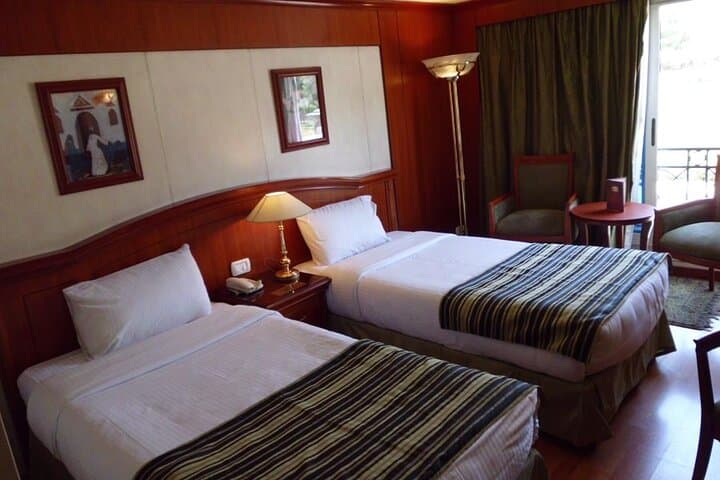
Full board (breakfast, lunch and dinner) is included on the cruise, though beverages are often extra—verify specifics before travel.
The Nile corridor contains monuments spanning Pharaonic, Ptolemaic and Roman periods; Abu Simbel was famously relocated in the 1960s to protect it from Lake Nasser.
Tourism and water management strain riverine ecosystems and archaeological sites; follow site rules, avoid touching reliefs and support local guides to minimize impact.
Egypt Package Tours operates guided outdoor trips and adventures with an emphasis on safety, stewardship, and memorable experiences.
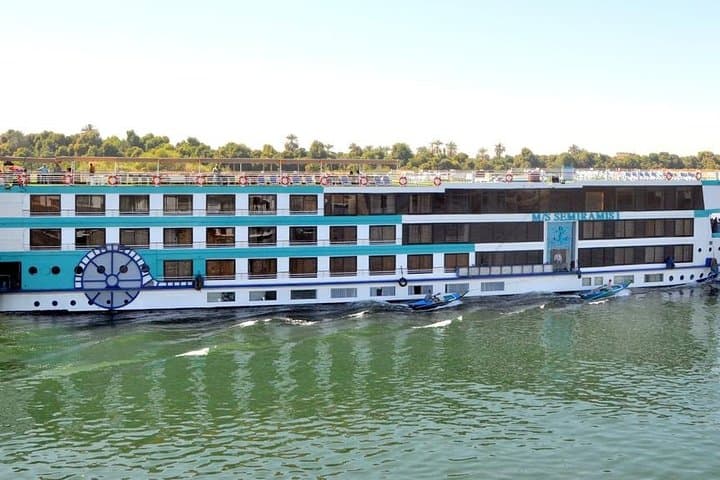
Morning sun slices across the Nile as a five-star dahabiya slips away from Luxor; the river breathes, carrying sandstone quarries, palm-lined islands and the slow geometry of temple pylons past a deck of travelers. Onboard life staggers between early temple runs and late sundeck tea, each day a measured shift downstream.
Morning sun slices across the Nile as a five-star dahabiya slips away from Luxor; the river breathes, carrying sandstone quarries, palm-lined islands and the slow geometry of temple pylons past a deck of travelers. Onboard life staggers between early temple runs and late sundeck tea, each day a measured shift downstream.
This itinerary threads pharaonic high points: Karnak’s sprawling precinct (about 63 acres of obelisks and columned halls), the rock-cut tombs of the Valley of the Kings, Hatshepsut’s mortuary temple and the intact Ptolemaic shrine at Edfu. Geology matters here — the Nile carved a corridor through sedimentary limestone and sandstone that ancient builders used as both quarry and canvas. Modern history arrives in Aswan: the High Dam reshaped the river and relocated temples like Abu Simbel, 285 km farther south, moved stone by stone in the 1960s to save them from Lake Nasser.
Culturally the cruise is a mix of Egyptology briefings, Nubian musical nights and local markets ashore; small-group logistics mean early pickups (Abu Simbel departs near 4:00–4:30 a.m.) and variable order depending on sailing conditions.
Practical guidance: expect light-to-moderate walking on uneven stone, strong sun, and uneven temple steps. Carry cash for entrance fees and tips, bring sun protection and a refillable water bottle, and plan for cool evenings on deck. Check the cruise check-in time (typically noon) and confirm airport or hotel pickup. This trip balances river calm with monumental archaeology — a paced way to move through Egypt’s layered history while keeping the practicalities front and center.