THE ADVENTURE COLLECTIVE® · Independent discovery and booking for outdoor travel

Drift downstream from Luxor to Aswan on a five-day Nile cruise that links the Valley of the Kings, Karnak, Kom Ombo and Philae. Expect temple visits, short shore excursions, and daily views of river life framed by desert cliffs.
Drift downstream from Luxor to Aswan on a five-day Nile cruise that links the Valley of the Kings, Karnak, Kom Ombo and Philae. Expect temple visits, short shore excursions, and daily views of river life framed by desert cliffs.
The ship slips away from Luxor as the city’s siren calls fade and the Nile widens into a ribbon of golden light. Deck chairs tilt; palm-lined islands drift by; minarets and temple pylons punctuate the horizon. Over five days you move downstream roughly 230 km of river that has guided civilizations for millennia.
Verified experiences and guided adventures in the surrounding area.
Operated by Egypt Travel Planning · Luxor, Luxor Governorate
The ship slips away from Luxor as the city’s siren calls fade and the Nile widens into a ribbon of golden light. Deck chairs tilt; palm-lined islands drift by; minarets and temple pylons punctuate the horizon. Over five days you move downstream roughly 230 km of river that has guided civilizations for millennia.
This corridor of Egypt is both geological artery and cultural archive. Along the way you step into Karnak’s avenue of ram-headed sphinxes, descend into the painted tombs of the Valley of the Kings, and study Hatshepsut’s tiered mortuary temple carved into limestone cliffs. Mid-cruise stops include Edfu’s temple of Horus and Kom Ombo’s dual shrines; in Aswan visits focus on the High Dam, the Unfinished Obelisk and the island shrine of Philae. Local life remains visible from the water — feluccas threading the current, small fields irrigated from the river, and Nubian villages with painted houses and market stalls.
Practical notes: pack sun protection and light, layered clothing for cool mornings and hot afternoons; comfortable walking shoes for uneven temple floors and tomb slopes; and carry cash for local markets and tipping. Plan visits early in the day to avoid the heat and crowds, and bring a refillable water bottle — hydration is constant work on the Nile. Respect dress norms at religious sites and allow extra time for admissions and ferrying to island temples. A Nile cruise is a low-effort, high-reward way to experience Egypt’s monuments while moving slowly through landscapes that have shaped human history.
easy.
5 days.
Suitable for travelers of most fitness levels; expect short walks, stairs, and uneven temple floors.
The itinerary covers roughly 230 km of the Nile over five days and four nights, with multiple guided shore stops.
Cruise accommodation and basic transport are included; some specific admissions or guided activities may be listed separately—confirm before booking.
Yes; the cruise is rated easy physically, but infants may need to sit on laps and parents should plan for sun and heat management.
Modest, lightweight clothing that covers shoulders and knees is appropriate; comfortable closed-toe shoes are recommended for uneven surfaces.
The Nile corridor supported ancient Egyptian civilization; major temple complexes and royal tombs along this route were built and modified over millennia.
Tourism pressure and water management affect river habitats; minimise single-use plastics, respect local waste rules, and support community-run shops and guides.
Egypt Travel Planning operates guided outdoor trips and adventures with an emphasis on safety, stewardship, and memorable experiences.
The ship slips away from Luxor as the city’s siren calls fade and the Nile widens into a ribbon of golden light. Deck chairs tilt; palm-lined islands drift by; minarets and temple pylons punctuate the horizon. Over five days you move downstream roughly 230 km of river that has guided civilizations for millennia.
The ship slips away from Luxor as the city’s siren calls fade and the Nile widens into a ribbon of golden light. Deck chairs tilt; palm-lined islands drift by; minarets and temple pylons punctuate the horizon. Over five days you move downstream roughly 230 km of river that has guided civilizations for millennia.
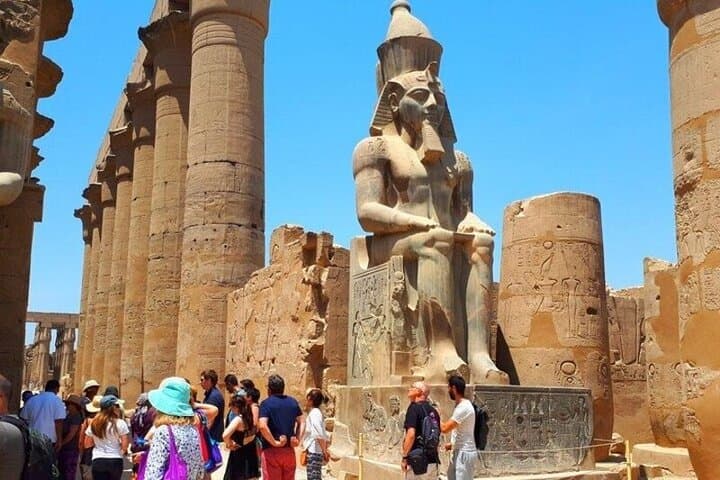
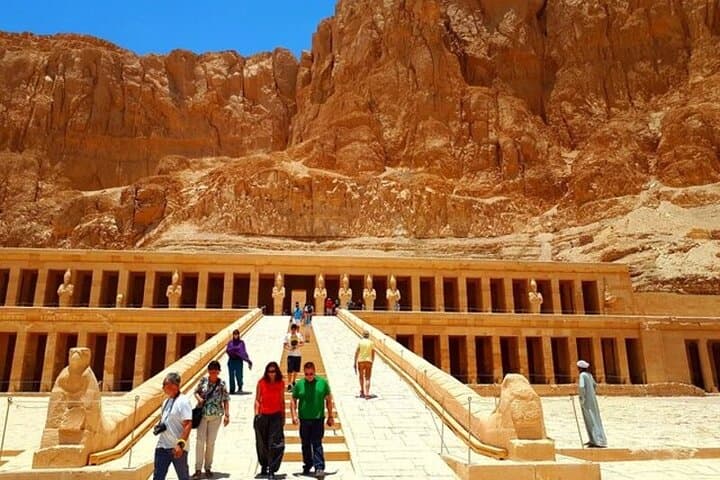
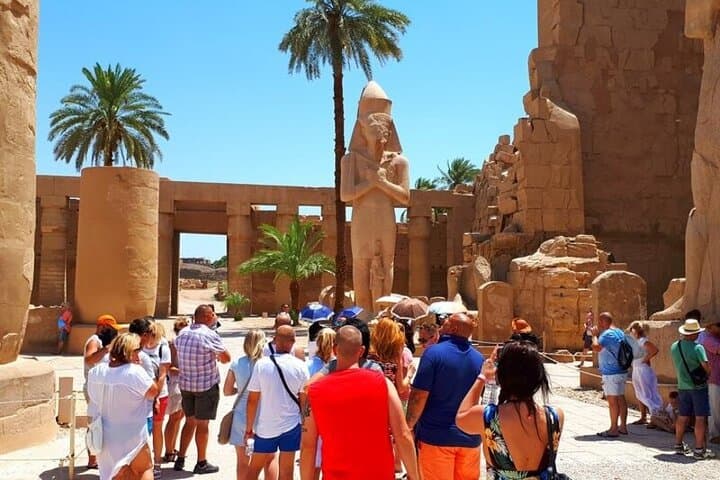
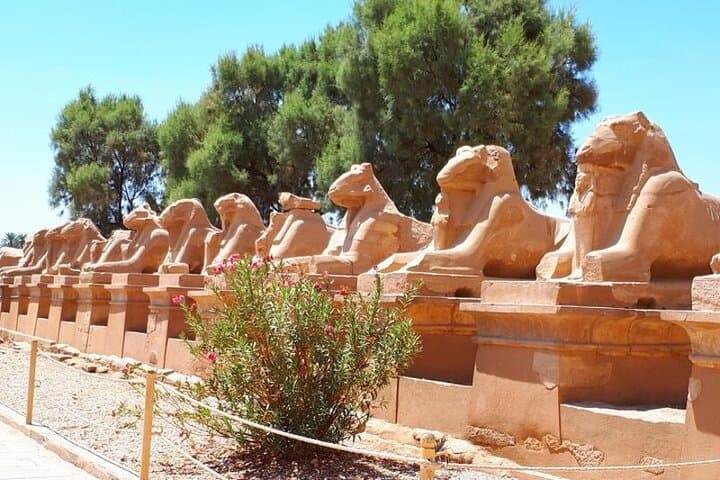
This corridor of Egypt is both geological artery and cultural archive. Along the way you step into Karnak’s avenue of ram-headed sphinxes, descend into the painted tombs of the Valley of the Kings, and study Hatshepsut’s tiered mortuary temple carved into limestone cliffs. Mid-cruise stops include Edfu’s temple of Horus and Kom Ombo’s dual shrines; in Aswan visits focus on the High Dam, the Unfinished Obelisk and the island shrine of Philae. Local life remains visible from the water — feluccas threading the current, small fields irrigated from the river, and Nubian villages with painted houses and market stalls.
Practical notes: pack sun protection and light, layered clothing for cool mornings and hot afternoons; comfortable walking shoes for uneven temple floors and tomb slopes; and carry cash for local markets and tipping. Plan visits early in the day to avoid the heat and crowds, and bring a refillable water bottle — hydration is constant work on the Nile. Respect dress norms at religious sites and allow extra time for admissions and ferrying to island temples. A Nile cruise is a low-effort, high-reward way to experience Egypt’s monuments while moving slowly through landscapes that have shaped human history.