THE ADVENTURE COLLECTIVE® · Independent discovery and booking for outdoor travel

Float between temples and tombs on a five-day Nile cruise from Luxor to Aswan. Early mornings, guided walks, and a visit to Abu Simbel combine relaxed sailing with intense archeological highlights.
Float between temples and tombs on a five-day Nile cruise from Luxor to Aswan. Early mornings, guided walks, and a visit to Abu Simbel combine relaxed sailing with intense archeological highlights.
You step onto the ship in Luxor as the river breathes slow and brown beneath the hull, minarets and palm trees sliding by like punctuation marks. Morning light lays flat across the Nile; the cruise hums to life with the promise of temples that still hold the smell of ancient incense and sand.
Verified experiences and guided adventures in the surrounding area.
Operated by Egypt Best Day Tours · Luxor, Luxor Governorate
You step onto the ship in Luxor as the river breathes slow and brown beneath the hull, minarets and palm trees sliding by like punctuation marks. Morning light lays flat across the Nile; the cruise hums to life with the promise of temples that still hold the smell of ancient incense and sand.
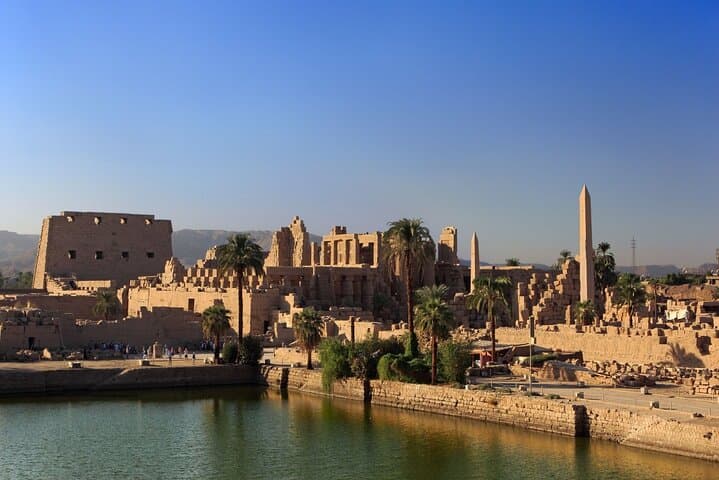
This five-day route follows the life-blood of pharaonic civilization: Luxor and Karnak’s vast pylons, the painted tombs of the Valley of the Kings, the cliff-cut terraces of Hatshepsut, the dressed-stone sanctuaries of Edfu and Kom Ombo, then south to Aswan’s Philae and the colossal, relocated Abu Simbel. Geologically the valley is a narrow ribbon of alluvial soil framed by desert plateaus; culturally it’s where ritual architecture and Nile commerce shaped imperial Egypt.
Expect guided walks each day — uneven stone floors, steps into dim tombs, occasional sand-swept courtyards — punctuated by long, restful sails between ports. The rhythm is early starts, mid-day siesta aboard, and late-afternoon temple tours when shadows make reliefs readable.
Practical edge: bring breathable layers for hot days and cool nights, rigid-soled shoes for temple steps, and a daypack for water and a camera. Respect photography rules inside tombs and temples, follow your Egyptologist guide for context and logistics, and budget for modest tips and entrance fees not always included. Abu Simbel is a long day trip from Aswan; timing and internal flights/transfers can be tight, so confirm transfers and arrival times when booking.
This cruise is as much about moving along the Nile as it is about the stops — each landing is a portal into a different chapter of ancient Egypt.
easy.
5 days.
Suitable for travelers of most fitness levels but requires walking on uneven ground and climbing steps; basic mobility recommended.
The cruise includes guided tours by an Egyptologist and many meals, but check the booking for which entrance fees are covered; some special or optional sites may require extra payment.
Yes — Abu Simbel is included as a long-day excursion from Aswan; it typically requires an early departure and long transfer time, so confirm logistics in advance.
Most travelers require a visa to enter Egypt; visa rules depend on nationality — arrange in advance or obtain a visa on arrival where available and check current requirements before travel.
Ships accept major cards, but many smaller local vendors, tips, and some entrance fees may require cash (Egyptian pounds); carry small bills for markets and tips.
This corridor of the Nile was Egypt’s ceremonial heart for millennia; major sites span New Kingdom pharaohs to Ptolemaic-era constructions, and Abu Simbel was relocated in the 1960s to save it from the High Dam reservoir.
Tourism supports local economies but stresses fragile monuments — follow site rules, avoid touching reliefs, and use water sparingly while supporting certified local operators.
Egypt Best Day Tours operates guided outdoor trips and adventures with an emphasis on safety, stewardship, and memorable experiences.


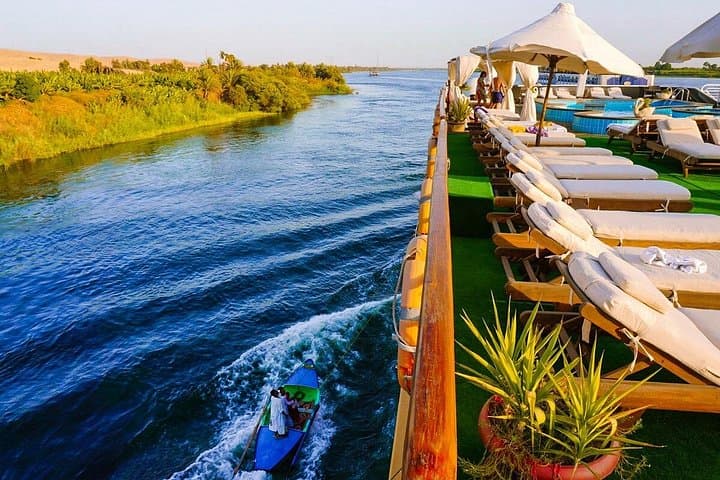
You step onto the ship in Luxor as the river breathes slow and brown beneath the hull, minarets and palm trees sliding by like punctuation marks. Morning light lays flat across the Nile; the cruise hums to life with the promise of temples that still hold the smell of ancient incense and sand.
You step onto the ship in Luxor as the river breathes slow and brown beneath the hull, minarets and palm trees sliding by like punctuation marks. Morning light lays flat across the Nile; the cruise hums to life with the promise of temples that still hold the smell of ancient incense and sand.
This five-day route follows the life-blood of pharaonic civilization: Luxor and Karnak’s vast pylons, the painted tombs of the Valley of the Kings, the cliff-cut terraces of Hatshepsut, the dressed-stone sanctuaries of Edfu and Kom Ombo, then south to Aswan’s Philae and the colossal, relocated Abu Simbel. Geologically the valley is a narrow ribbon of alluvial soil framed by desert plateaus; culturally it’s where ritual architecture and Nile commerce shaped imperial Egypt.
Expect guided walks each day — uneven stone floors, steps into dim tombs, occasional sand-swept courtyards — punctuated by long, restful sails between ports. The rhythm is early starts, mid-day siesta aboard, and late-afternoon temple tours when shadows make reliefs readable.
Practical edge: bring breathable layers for hot days and cool nights, rigid-soled shoes for temple steps, and a daypack for water and a camera. Respect photography rules inside tombs and temples, follow your Egyptologist guide for context and logistics, and budget for modest tips and entrance fees not always included. Abu Simbel is a long day trip from Aswan; timing and internal flights/transfers can be tight, so confirm transfers and arrival times when booking.
This cruise is as much about moving along the Nile as it is about the stops — each landing is a portal into a different chapter of ancient Egypt.