THE ADVENTURE COLLECTIVE® · Independent discovery and booking for outdoor travel

Float above Luxor at dawn, then follow the Nile by luxury cruise from Luxor to Aswan over five days: temples, tombs, a hot-air balloon and an early-morning excursion to Abu Simbel. This compact itinerary pairs riverside comfort with guided exploration of Egypt’s New Kingdom highlights.
Float above Luxor at dawn, then follow the Nile by luxury cruise from Luxor to Aswan over five days: temples, tombs, a hot-air balloon and an early-morning excursion to Abu Simbel. This compact itinerary pairs riverside comfort with guided exploration of Egypt’s New Kingdom highlights.
At first light the Nile pushes a ribbon of gold past the ship and the desert holds its breath. Rising in a hot-air balloon above Luxor, travelers watch the west bank’s funerary cliffs and temple pylons reduce to geometry—colossal statues and avenues of sphinxes shrinking into the river’s curve.
Verified experiences and guided adventures in the surrounding area.
Operated by Egypt Travel Line · Luxor, Luxor Governorate
At first light the Nile pushes a ribbon of gold past the ship and the desert holds its breath. Rising in a hot-air balloon above Luxor, travelers watch the west bank’s funerary cliffs and temple pylons reduce to geometry—colossal statues and avenues of sphinxes shrinking into the river’s curve.
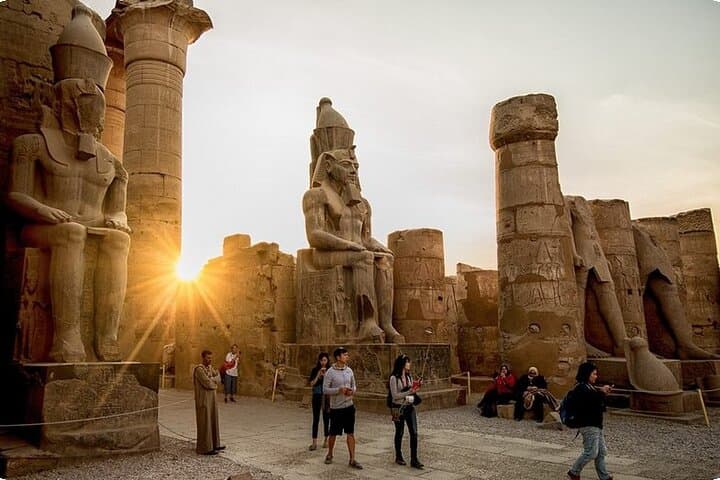
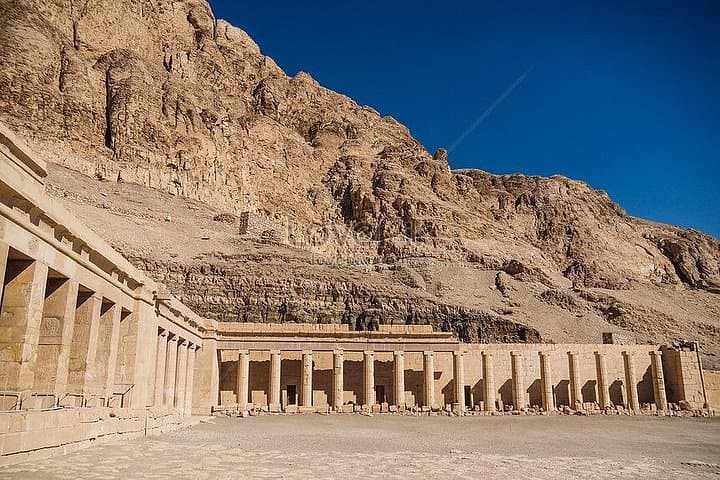
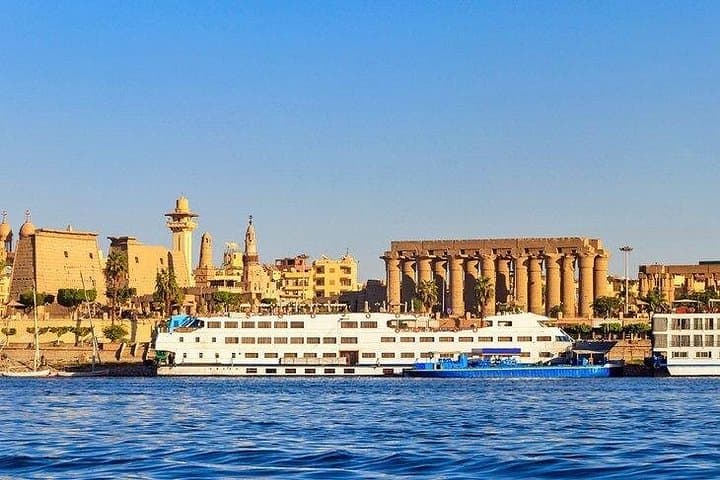
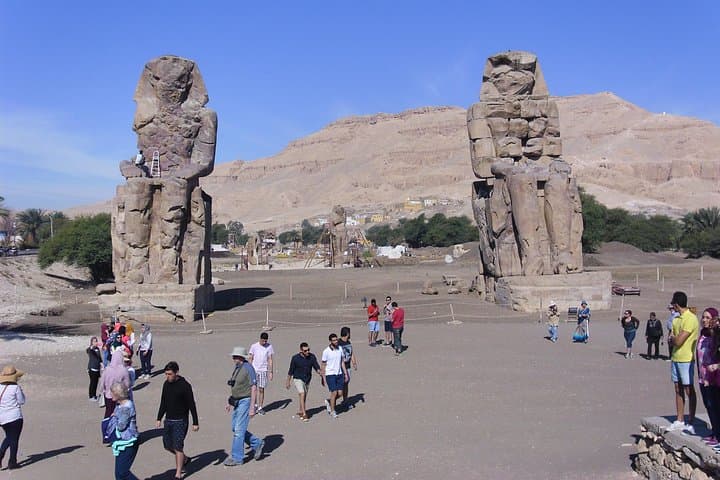
This five-day cruise threads the Nile’s classical sites: Luxor’s Karnak and Luxor Temples, the Valley of the Kings and Hatshepsut’s mortuary terraces, the preserved Ptolemaic temples at Edfu and Kom Ombo, the island sanctuary of Philae and the monumental façades of Abu Simbel. Geologically the Nile valley is a narrow corridor of alluvial silt between desert escarpments; culturally it’s the spine of pharaonic Egypt and Nubian influence in the south. The Aswan High Dam reshaped the river’s flow and forced Abu Simbel’s modern relocation, an engineering story as much as an archaeological one.
Onboard is relaxed—full board on a 5-star cruise with daily excursions and an Egyptologist guide—yet the days demand practical choices: dawn balloon flights, long open-air walks over uneven stone, and time in intense sun.
Pack breathable layers, a good pair of walking shoes, sun protection and a small daypack for water and documents. Expect early mornings, brief coach transfers, soft-sand views and the steady motion of the river. Visitors should respect site rules (don’t touch reliefs), carry local currency for small purchases and tip thoughtfully—guides and boat crews form the trip’s backbone. With planning, this itinerary balances cultural depth and river travel for a compact, immersive sweep of Upper Egypt.
easy.
5 days.
Suitable for travelers who can handle several hours of walking over uneven ancient stone and short stairways; minimal sustained exertion.
Yes; the itinerary lists a hot air balloon trip as part of the package—confirm the scheduled day and weather-dependent timing with your local guide.
Round-trip flights between Cairo and Luxor are included as noted in the trip inclusions; verify departure airport and baggage allowances when booking.
The provider lists wheelchair-accessible transport and some accessible surfaces, but many temple sites have steps and uneven terrain; contact the operator for specific accessibility arrangements.
Most travelers need a visa—many nationalities can obtain an e-visa or visa on arrival, but check requirements well before travel and carry passport details requested at booking.
Upper Egypt’s river corridor was the New Kingdom heartland; many major temples were constructed and later modified over millennia, and Abu Simbel was relocated in the 1960s to save it from the rising waters of the Aswan High Dam.
UNESCO protection and local conservation efforts manage visitor pressure; follow site rules, avoid touching reliefs and minimize plastic use to reduce impact on fragile monuments and the Nile ecosystem.
Egypt Travel Line operates guided outdoor trips and adventures with an emphasis on safety, stewardship, and memorable experiences.
At first light the Nile pushes a ribbon of gold past the ship and the desert holds its breath. Rising in a hot-air balloon above Luxor, travelers watch the west bank’s funerary cliffs and temple pylons reduce to geometry—colossal statues and avenues of sphinxes shrinking into the river’s curve.
At first light the Nile pushes a ribbon of gold past the ship and the desert holds its breath. Rising in a hot-air balloon above Luxor, travelers watch the west bank’s funerary cliffs and temple pylons reduce to geometry—colossal statues and avenues of sphinxes shrinking into the river’s curve.
This five-day cruise threads the Nile’s classical sites: Luxor’s Karnak and Luxor Temples, the Valley of the Kings and Hatshepsut’s mortuary terraces, the preserved Ptolemaic temples at Edfu and Kom Ombo, the island sanctuary of Philae and the monumental façades of Abu Simbel. Geologically the Nile valley is a narrow corridor of alluvial silt between desert escarpments; culturally it’s the spine of pharaonic Egypt and Nubian influence in the south. The Aswan High Dam reshaped the river’s flow and forced Abu Simbel’s modern relocation, an engineering story as much as an archaeological one.
Onboard is relaxed—full board on a 5-star cruise with daily excursions and an Egyptologist guide—yet the days demand practical choices: dawn balloon flights, long open-air walks over uneven stone, and time in intense sun.
Pack breathable layers, a good pair of walking shoes, sun protection and a small daypack for water and documents. Expect early mornings, brief coach transfers, soft-sand views and the steady motion of the river. Visitors should respect site rules (don’t touch reliefs), carry local currency for small purchases and tip thoughtfully—guides and boat crews form the trip’s backbone. With planning, this itinerary balances cultural depth and river travel for a compact, immersive sweep of Upper Egypt.