THE ADVENTURE COLLECTIVE® · Independent discovery and booking for outdoor travel

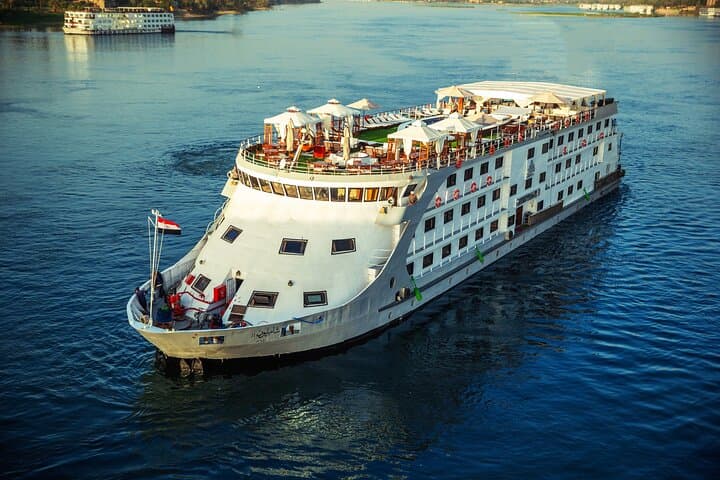
Sail the Nile from Hurghada to Aswan on a five-day, four-night cruise that pairs comfortable river travel with guided visits to Karnak, the Valley of the Kings, Abu Simbel and Philae. Perfect for travelers who want concentrated access to Upper Egypt’s major archaeological sites with cabin comfort and included transfers.
Sail the Nile from Hurghada to Aswan on a five-day, four-night cruise that pairs comfortable river travel with guided visits to Karnak, the Valley of the Kings, Abu Simbel and Philae. Perfect for travelers who want concentrated access to Upper Egypt’s major archaeological sites with cabin comfort and included transfers.
You wake before dawn on the deck as the Nile slides past — a wide, slow current that seems to carry the weight of millennia. Morning light finds fishermen in small feluccas, and the silhouette of a temple appears on the bank like a stone memory waiting to be read.
Verified experiences and guided adventures in the surrounding area.
Operated by Egyptology Travel · Luxor, Luxor Governorate
You wake before dawn on the deck as the Nile slides past — a wide, slow current that seems to carry the weight of millennia. Morning light finds fishermen in small feluccas, and the silhouette of a temple appears on the bank like a stone memory waiting to be read.
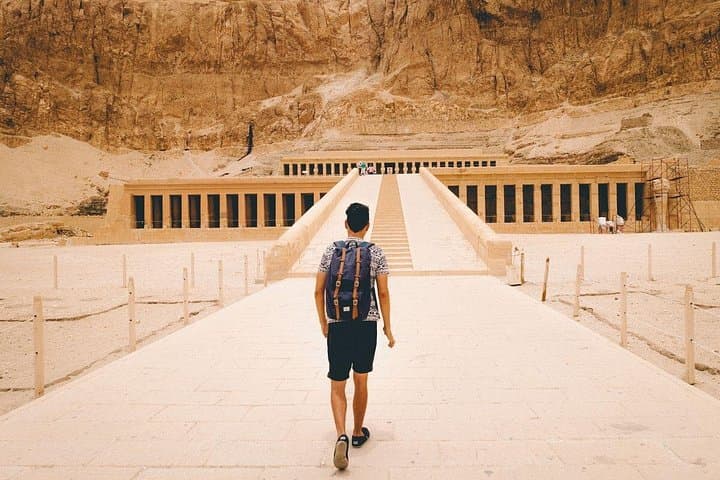
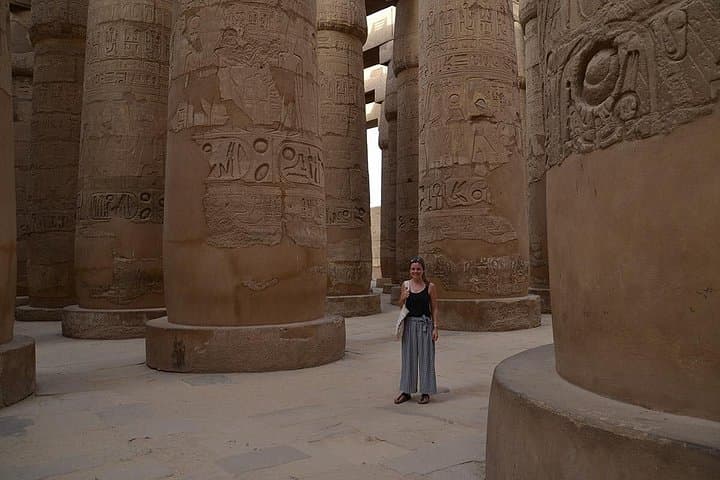
This five-day cruise begins with a transfer from Hurghada to Luxor and threads downstream to Aswan, visiting Karnak and Luxor Temples, the Valley of the Kings, the Temple of Hatshepsut, Edfu and Kom Ombo, a day trip to Abu Simbel, and Philae Temple beside the modern Aswan High Dam. Geologically, the Nile’s reach through Upper Egypt carves a ribbon of fertile alluvium between desert escarpments — the narrow strip that made ancient settlements and monumental construction possible. Culturally, you’ll move between pharaonic sites and Nubian communities; guides (often Egyptologists) add context to the reliefs, gods and funerary architecture.
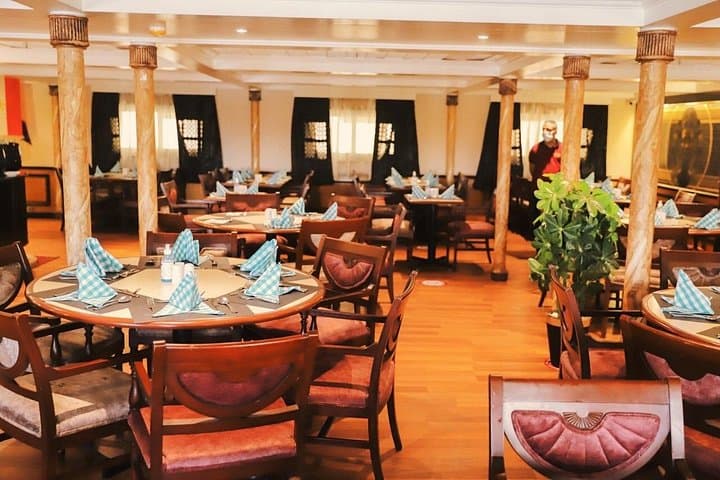
Practical guidance: expect short, guided walks with uneven stone steps and low light in tombs; bring breathables for heat, a good pair of walking shoes, sun protection and a small daypack. Timing matters — early mornings and late afternoons are cooler for site visits and photography. Mobile reception is intermittent along the river; carry printed or downloaded travel documents and copies of passports for checkpoints and the Abu Simbel transfer. Hydrate frequently and respect local dress customs at religious sites (shoulders and knees covered). The cruise itself provides cabins, meals and local transfers, making logistics simple while the Nile does the slow work of moving you through history.
easy.
5 days.
Suitable for most fitness levels; involves walking on uneven ancient stone, short climbs and stairs in tombs and temples.
The trip includes an air-conditioned transfer from Hurghada hotels to Luxor where the cruise begins; travel time is several hours by road.
Abu Simbel is listed as a day trip—typically done by private coach early in the morning or by optional fast transfer; expect an early wake-up and additional entry fees if required.
The basic booking includes guiding and transfers; individual monument entry tickets are often paid locally—confirm with the operator before travel.
The cruise boat is accessible and transfers accommodate wheelchairs, but many archaeological sites have uneven terrain and stairs that can limit access; contact the operator to arrange assistance.
Upper Egypt’s Nile corridor was the cradle of ancient Egyptian civilization; Luxor (Thebes) served as a political and religious capital with monumental temple-building across pharaonic dynasties.
Visitor pressure at major sites is managed through timed access and conservation programs; avoid touching reliefs, use minimal flash photography in tombs, and dispose of waste responsibly.
Egyptology Travel operates guided outdoor trips and adventures with an emphasis on safety, stewardship, and memorable experiences.
You wake before dawn on the deck as the Nile slides past — a wide, slow current that seems to carry the weight of millennia. Morning light finds fishermen in small feluccas, and the silhouette of a temple appears on the bank like a stone memory waiting to be read.
You wake before dawn on the deck as the Nile slides past — a wide, slow current that seems to carry the weight of millennia. Morning light finds fishermen in small feluccas, and the silhouette of a temple appears on the bank like a stone memory waiting to be read.
This five-day cruise begins with a transfer from Hurghada to Luxor and threads downstream to Aswan, visiting Karnak and Luxor Temples, the Valley of the Kings, the Temple of Hatshepsut, Edfu and Kom Ombo, a day trip to Abu Simbel, and Philae Temple beside the modern Aswan High Dam. Geologically, the Nile’s reach through Upper Egypt carves a ribbon of fertile alluvium between desert escarpments — the narrow strip that made ancient settlements and monumental construction possible. Culturally, you’ll move between pharaonic sites and Nubian communities; guides (often Egyptologists) add context to the reliefs, gods and funerary architecture.
Practical guidance: expect short, guided walks with uneven stone steps and low light in tombs; bring breathables for heat, a good pair of walking shoes, sun protection and a small daypack. Timing matters — early mornings and late afternoons are cooler for site visits and photography. Mobile reception is intermittent along the river; carry printed or downloaded travel documents and copies of passports for checkpoints and the Abu Simbel transfer. Hydrate frequently and respect local dress customs at religious sites (shoulders and knees covered). The cruise itself provides cabins, meals and local transfers, making logistics simple while the Nile does the slow work of moving you through history.