THE ADVENTURE COLLECTIVE® · Independent discovery and booking for outdoor travel

Sail from Luxor to Aswan on a four-night Nile cruise that pairs sunrise temple visits with relaxed afternoons aboard a 5-star ship. This compact 5-day itinerary combines guided walks into royal tombs, felucca outings and flights to and from Cairo.
Sail from Luxor to Aswan on a four-night Nile cruise that pairs sunrise temple visits with relaxed afternoons aboard a 5-star ship. This compact 5-day itinerary combines guided walks into royal tombs, felucca outings and flights to and from Cairo.
Boarding begins with dawn light on the Nile as the ship slips away from Luxor’s quay and the river seems to push the voyage forward. On deck, palm-lined islands drift past while sandstone temples rise from the desert like built memory; the current carries both boat and history south toward Aswan.
Verified experiences and guided adventures in the surrounding area.
Operated by Booking-tours.com · Luxor, Luxor Governorate
Boarding begins with dawn light on the Nile as the ship slips away from Luxor’s quay and the river seems to push the voyage forward. On deck, palm-lined islands drift past while sandstone temples rise from the desert like built memory; the current carries both boat and history south toward Aswan.
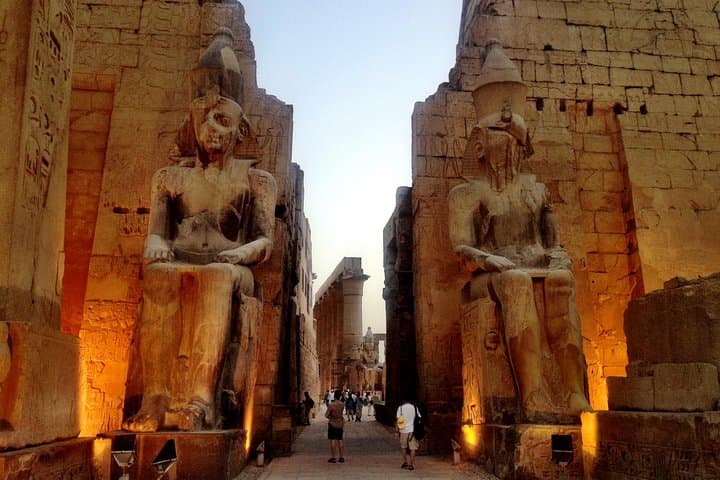
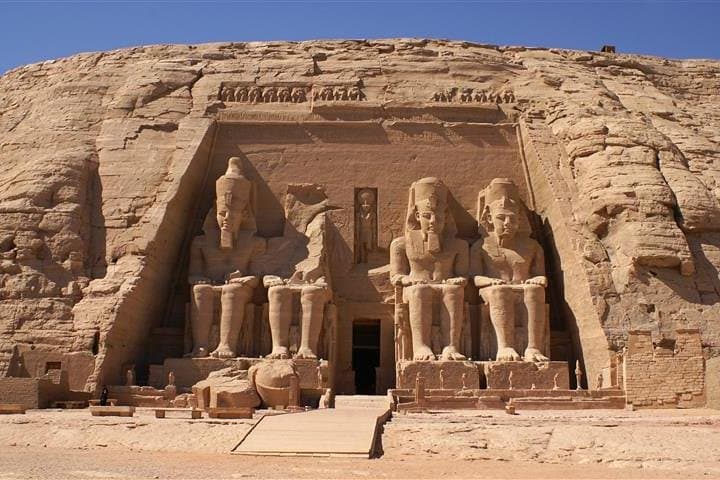
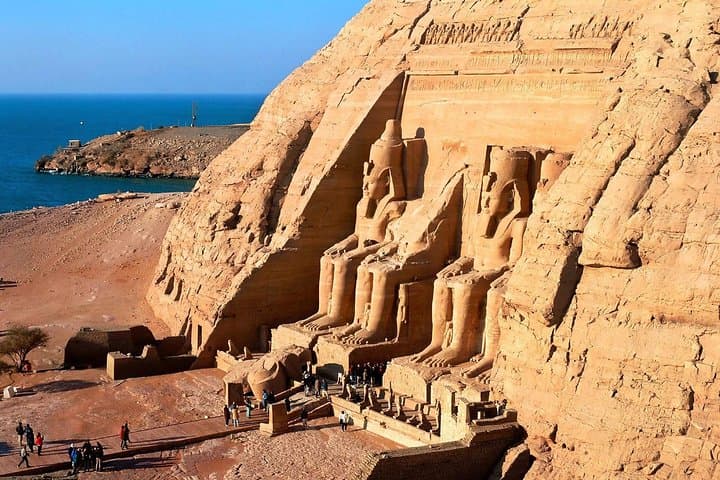
The cruise threads through Egypt’s ancient spine: Karnak’s hypostyle hall, the compact galleries of Luxor Temple, the subterranean tombs of the Valley of the Kings, Edfu’s Ptolemaic reliefs and Kom Ombo’s double sanctuary. Geologically, the river carves a green ribbon through alluvial floodplain—sand and silt sustaining the narrow strip of agriculture that contrasts sharply with the surrounding arid plateau. Culturally, the route follows millennia of Nile traffic; towns preserve Nubian crafts, sugarcane farms and pottery traditions that supported temple economies.
Practically, expect a 4–5 day rhythm: morning guided excursions (walking on uneven stone and stairs), midday returns to air-conditioned cabins and afternoon sailing between stops. Domestic flights link Cairo–Luxor at embark and Aswan–Cairo on disembark, so allow buffer time for transfers and immigration. Temperatures vary drastically—cool mornings on deck, intense sun at midday—so layer, drink frequently, and give yourself time for acclimation.
For photographers and historians the reward is concentrated: close-range temple façades and intimate tomb chambers. For planners: confirm included flights, bring local currency and modest dress for temple visits, and budget for entrance fees and gratuities.
moderate.
4–5 days.
Should be able to walk uneven steps and stand during 1–2 hour guided tours; moderate fitness helps in heat.
Yes—this itinerary includes the domestic flight from Cairo to Luxor at embark and Aswan to Cairo on disembark; confirm flight times and arrival windows when booking.
Most visitors require an entry visa; many nationalities can obtain an e‑visa before travel or a visa on arrival—check current Egyptian government requirements well ahead of travel.
Ships and some transfer vehicles are wheelchair accessible, but many temples and tombs have uneven ground and steps; contact the operator in advance to discuss specific needs and site access.
Guided site admissions are typically included per the itinerary, but expect to budget for gratuities, optional site fees, and personal purchases not covered by the tour.
The cruise follows the Nile corridor that sustained pharaonic capitals; temples and royal tombs here document funerary rituals, dynastic art and ancient riverine commerce.
Tourism pressure and river pollution are ongoing concerns—choose operators who minimize waste, avoid single-use plastics and respect local heritage sites.
Booking-tours.com operates guided outdoor trips and adventures with an emphasis on safety, stewardship, and memorable experiences.
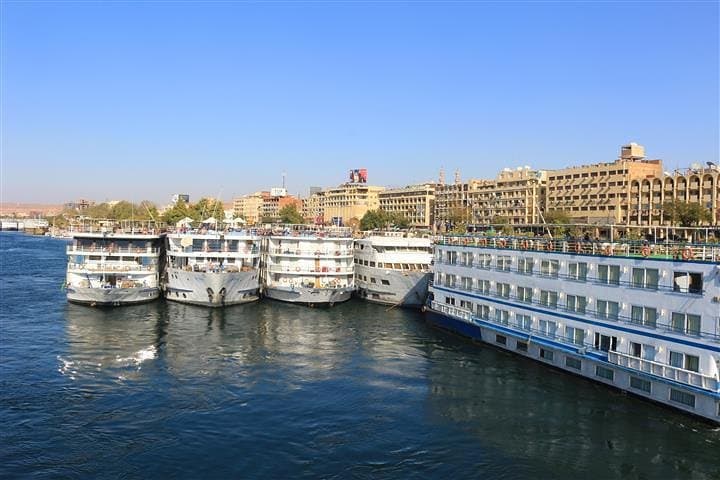
Boarding begins with dawn light on the Nile as the ship slips away from Luxor’s quay and the river seems to push the voyage forward. On deck, palm-lined islands drift past while sandstone temples rise from the desert like built memory; the current carries both boat and history south toward Aswan.
Boarding begins with dawn light on the Nile as the ship slips away from Luxor’s quay and the river seems to push the voyage forward. On deck, palm-lined islands drift past while sandstone temples rise from the desert like built memory; the current carries both boat and history south toward Aswan.
The cruise threads through Egypt’s ancient spine: Karnak’s hypostyle hall, the compact galleries of Luxor Temple, the subterranean tombs of the Valley of the Kings, Edfu’s Ptolemaic reliefs and Kom Ombo’s double sanctuary. Geologically, the river carves a green ribbon through alluvial floodplain—sand and silt sustaining the narrow strip of agriculture that contrasts sharply with the surrounding arid plateau. Culturally, the route follows millennia of Nile traffic; towns preserve Nubian crafts, sugarcane farms and pottery traditions that supported temple economies.
Practically, expect a 4–5 day rhythm: morning guided excursions (walking on uneven stone and stairs), midday returns to air-conditioned cabins and afternoon sailing between stops. Domestic flights link Cairo–Luxor at embark and Aswan–Cairo on disembark, so allow buffer time for transfers and immigration. Temperatures vary drastically—cool mornings on deck, intense sun at midday—so layer, drink frequently, and give yourself time for acclimation.
For photographers and historians the reward is concentrated: close-range temple façades and intimate tomb chambers. For planners: confirm included flights, bring local currency and modest dress for temple visits, and budget for entrance fees and gratuities.