THE ADVENTURE COLLECTIVE® · Independent discovery and booking for outdoor travel

Witness thousands of wildebeest giving birth and the intense predator activity that follows on a 5-day Ndutu safari. This seasonal Southern Serengeti experience—best from December to March—offers front-row views of the Great Migration’s calving drama.
Witness thousands of wildebeest giving birth and the intense predator activity that follows on a 5-day Ndutu safari. This seasonal Southern Serengeti experience—best from December to March—offers front-row views of the Great Migration’s calving drama.
Dust rises in thin columns across the short-grass plains as dawn light slices through acacia silhouettes; the air vibrates with the urgent calls of hooves and the soft hiss of wings. In the Ndutu region of the Southern Serengeti, the calving season turns flattened savannah into one of Africa’s most visceral wildlife theaters—thousands of wildebeest giving birth under the watchful eyes of lions, hyenas and scavenging jackals.
Verified experiences and guided adventures in the surrounding area.
Operated by Herbivore African Expeditions · Ndutu, Arusha Region
Dust rises in thin columns across the short-grass plains as dawn light slices through acacia silhouettes; the air vibrates with the urgent calls of hooves and the soft hiss of wings. In the Ndutu region of the Southern Serengeti, the calving season turns flattened savannah into one of Africa’s most visceral wildlife theaters—thousands of wildebeest giving birth under the watchful eyes of lions, hyenas and scavenging jackals.
The landscape here is geologically simple—vast volcanic plains punctuated by shallow pans and occasional kopjes—yet ecologically profound: Ndutu is a seasonal staging ground on the Great Migration and a reliable spot for predators that follow newborn herds. Maasai pastoralists have traversed these plains for generations; their grazing history and local land use shaped the open grasslands that support the migration.
Practical guidance: this is a vehicle-based, multi-day safari that runs December–March for calving, with early mornings and long game drives. Expect dusty roads, bumpy 4x4 travel, and drives timed for golden hours. Bring binoculars and a long lens for predator-prey action, layer for chilly pre-dawn starts, and keep water, sunscreen and motion-sickness remedies handy. Guides manage entry fees and logistics; travelers should carry passport copies, malaria prophylaxis and comfortable closed shoes for short walks.
A Ndutu calving safari is less about trekking and more about patience, timing and serendipity—arrive prepared, stay alert, and the plains reward you with some of the planet’s rawest wildlife moments.
moderate.
5 days.
Moderate fitness for long game-drive days and occasional short walks; not strenuous but requires mobility for vehicle entry/exit
Plan between late December and March for the peak calving window when thousands of wildebeest give birth and predators concentrate.
This itinerary is not recommended for pregnant travelers and young children should be supervised; consult the operator about age limits and vehicle safety.
Yellow fever vaccination may be required depending on origin; malaria prophylaxis and up-to-date routine vaccines are strongly recommended—check with a travel clinic.
Expect multiple daily game drives with high likelihood of seeing wildebeest, zebras, predators and waterbirds; sightings vary by season and animal movement.
Ndutu sits along migratory routes shaped over millennia; local Maasai communities have long coexisted with seasonal wildlife movements that define these plains.
The Serengeti and Ngorongoro conservation areas protect migratory corridors, and low-impact, vehicle-based safaris help reduce habitat disturbance when operators follow park regulations.
Herbivore African Expeditions operates guided outdoor trips and adventures with an emphasis on safety, stewardship, and memorable experiences.
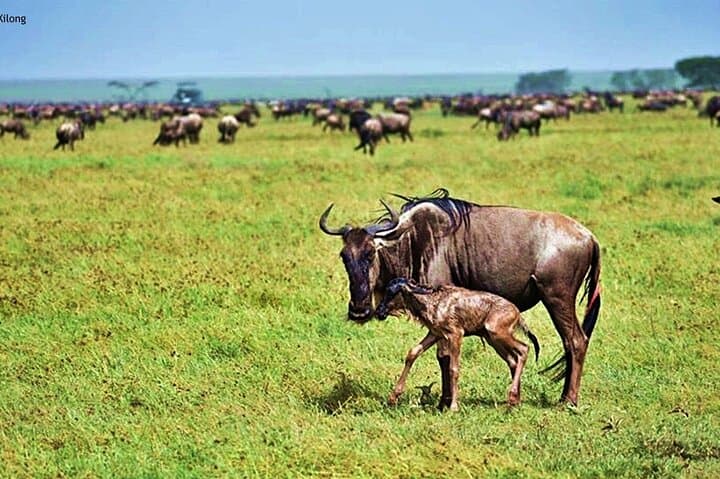
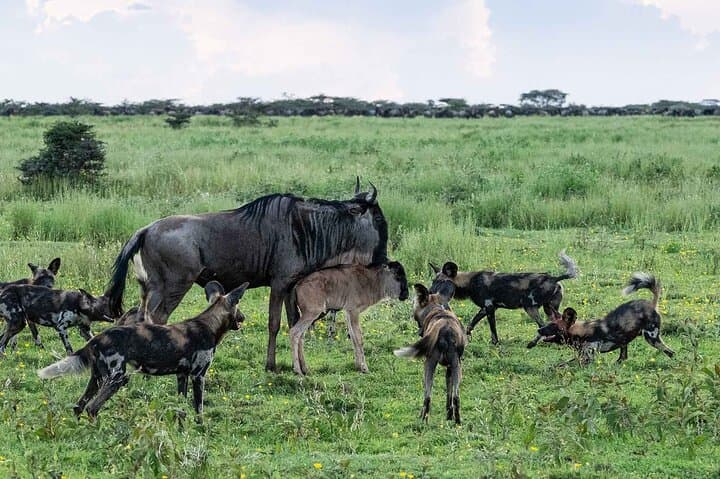
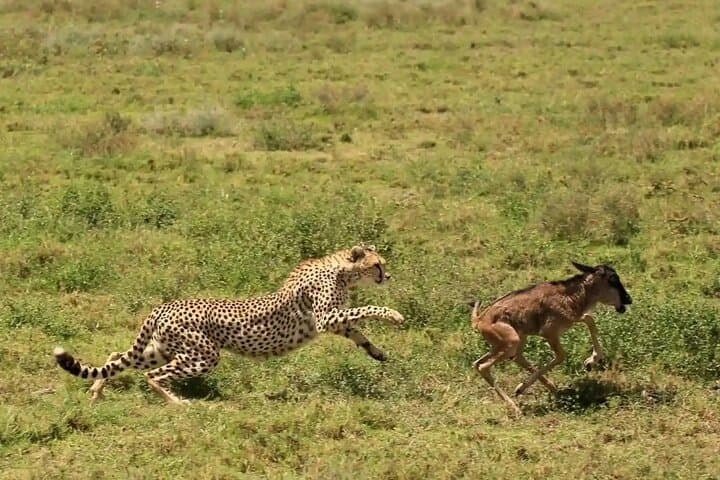
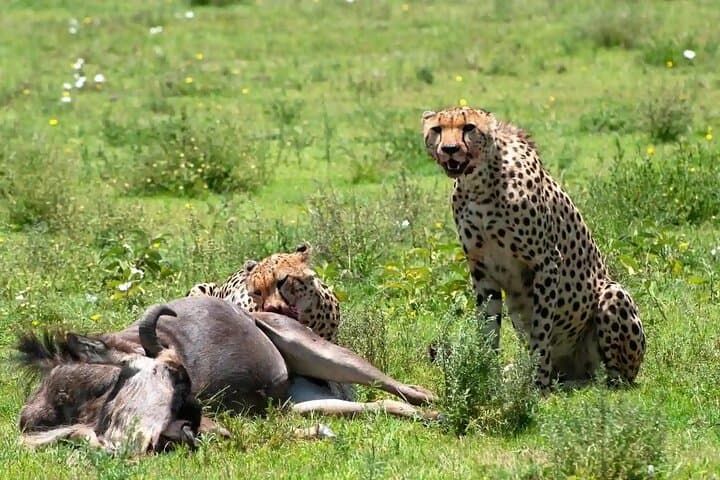
Dust rises in thin columns across the short-grass plains as dawn light slices through acacia silhouettes; the air vibrates with the urgent calls of hooves and the soft hiss of wings. In the Ndutu region of the Southern Serengeti, the calving season turns flattened savannah into one of Africa’s most visceral wildlife theaters—thousands of wildebeest giving birth under the watchful eyes of lions, hyenas and scavenging jackals.
Dust rises in thin columns across the short-grass plains as dawn light slices through acacia silhouettes; the air vibrates with the urgent calls of hooves and the soft hiss of wings. In the Ndutu region of the Southern Serengeti, the calving season turns flattened savannah into one of Africa’s most visceral wildlife theaters—thousands of wildebeest giving birth under the watchful eyes of lions, hyenas and scavenging jackals.
The landscape here is geologically simple—vast volcanic plains punctuated by shallow pans and occasional kopjes—yet ecologically profound: Ndutu is a seasonal staging ground on the Great Migration and a reliable spot for predators that follow newborn herds. Maasai pastoralists have traversed these plains for generations; their grazing history and local land use shaped the open grasslands that support the migration.
Practical guidance: this is a vehicle-based, multi-day safari that runs December–March for calving, with early mornings and long game drives. Expect dusty roads, bumpy 4x4 travel, and drives timed for golden hours. Bring binoculars and a long lens for predator-prey action, layer for chilly pre-dawn starts, and keep water, sunscreen and motion-sickness remedies handy. Guides manage entry fees and logistics; travelers should carry passport copies, malaria prophylaxis and comfortable closed shoes for short walks.
A Ndutu calving safari is less about trekking and more about patience, timing and serendipity—arrive prepared, stay alert, and the plains reward you with some of the planet’s rawest wildlife moments.