THE ADVENTURE COLLECTIVE® · Independent discovery and booking for outdoor travel

A five-day loop from Quito through Mindo’s cloud forest, the Avenue of the Volcanoes to Cotopaxi and Quilotoa, and the restorative thermal baths of Papallacta. Expect birdlife, high-altitude views, and practical guidance for acclimatizing and packing light.
A five-day loop from Quito through Mindo’s cloud forest, the Avenue of the Volcanoes to Cotopaxi and Quilotoa, and the restorative thermal baths of Papallacta. Expect birdlife, high-altitude views, and practical guidance for acclimatizing and packing light.
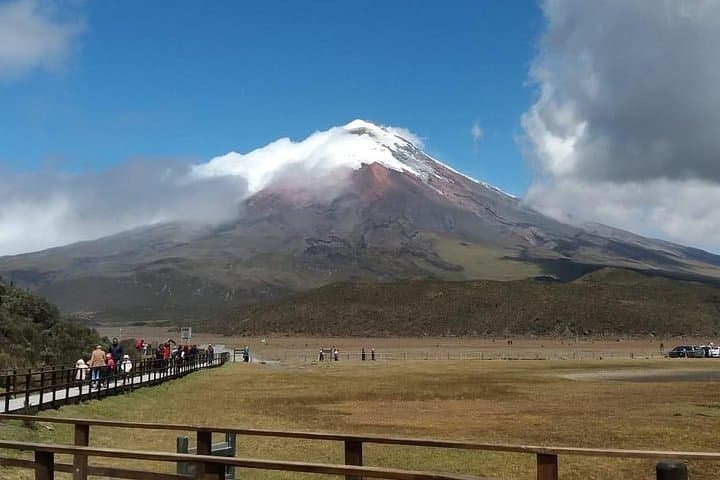
You step off the plane into Quito’s thin air and the Andes greet you with a sweep of volcanoes—Cotopaxi’s cone like a cautious guardian, Quilotoa’s crater lake a pocket of impossible blue. Over five days this loop pulls you through cloud forest, high páramo and steaming thermal pools, each landscape moving with its own rhythm: waterfalls in Mindo that dare you closer, winds on Cotopaxi that push at your jacket, and hot springs at Papallacta that loosen tired muscles.
Verified experiences and guided adventures in the surrounding area.
Operated by Perfect Destiny · Quito, Pichincha
You step off the plane into Quito’s thin air and the Andes greet you with a sweep of volcanoes—Cotopaxi’s cone like a cautious guardian, Quilotoa’s crater lake a pocket of impossible blue. Over five days this loop pulls you through cloud forest, high páramo and steaming thermal pools, each landscape moving with its own rhythm: waterfalls in Mindo that dare you closer, winds on Cotopaxi that push at your jacket, and hot springs at Papallacta that loosen tired muscles.
This itinerary threads natural science and local culture. The Avenue of the Volcanoes, charted by early explorers, frames Ecuador’s volcanic spine; Quilotoa is a collapsed caldera whose crater lake formed after a violent eruption centuries ago. Mindo is part of the Chocó biogeographic hotspot—a birdwatcher’s landmark—while nearby indigenous markets like Zumbahua still trade textiles and foodstuffs shaped by Andean life.
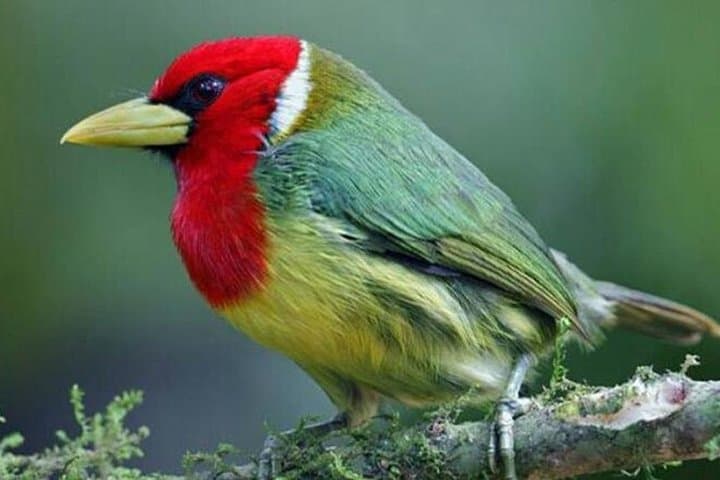
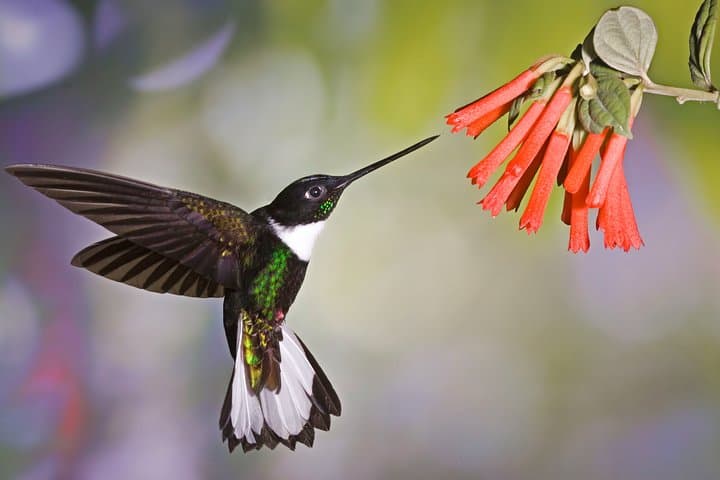
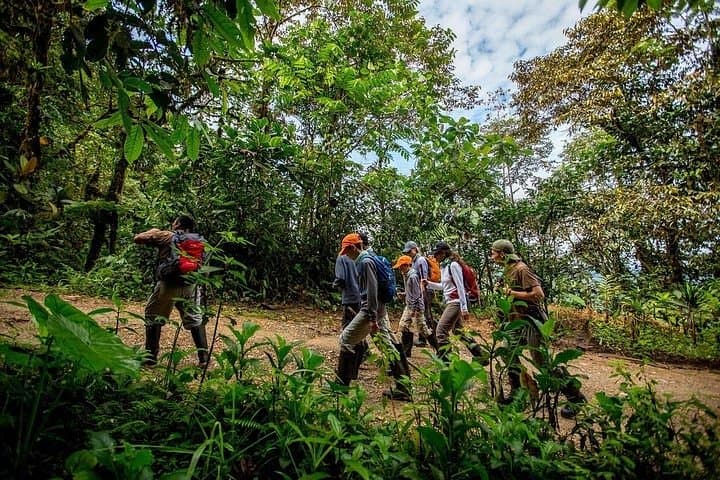
Expect easy to moderate walks rather than technical climbs, but also a steady climb in altitude—Quilotoa’s rim sits around 3,800 m. Guides are bilingual and local, so encounters with hummingbirds, tanagers and the occasional Andean fox are informed and ethical. Stay on trails in fragile páramo and carry out waste; these ecosystems recover slowly.
Practical guidance: pace your first day in Quito to acclimatize, hydrate frequently, and bring layered insulation for cold evenings and sun protection for high-altitude afternoons. Footwear with good tread helps on volcanic scree and muddy forest tracks. Payment for park entrances and small local fees is often in cash.
This loop is reachable for most travelers who are prepared for altitude and want a compact, nature-forward snapshot of Ecuador’s highlands and cloud forest.
moderate.
5 days.
Suitable for travelers in reasonable health who can handle short hikes (30–90 minutes) and altitude up to ~3,800 m; allow time to acclimatize.
Yes—some travel to elevations near 3,800 m. Ascend slowly, hydrate, avoid alcohol, and consider medication if you have a history of altitude issues; notify guides of symptoms.
Breakfasts are included each day; other meals and special dietary needs should be confirmed with the operator in advance.
The itinerary notes that extra payments like national park entrances or local taxes are typically paid in person by each traveler—bring small cash.
Children must be accompanied by an adult; the tour is designed for general fitness levels but monitor kids for altitude effects and follow guide recommendations.
The route follows parts of the historic ‘Avenue of the Volcanoes’ mapped by 19th-century explorers; indigenous highland communities around Quilotoa maintain traditional weaving and agricultural practices.
The Andean páramo and cloud forests are ecologically sensitive—stay on trails, avoid single-use plastics, and support local guides and community-run preserves.
Perfect Destiny operates guided outdoor trips and adventures with an emphasis on safety, stewardship, and memorable experiences.
You step off the plane into Quito’s thin air and the Andes greet you with a sweep of volcanoes—Cotopaxi’s cone like a cautious guardian, Quilotoa’s crater lake a pocket of impossible blue. Over five days this loop pulls you through cloud forest, high páramo and steaming thermal pools, each landscape moving with its own rhythm: waterfalls in Mindo that dare you closer, winds on Cotopaxi that push at your jacket, and hot springs at Papallacta that loosen tired muscles.
You step off the plane into Quito’s thin air and the Andes greet you with a sweep of volcanoes—Cotopaxi’s cone like a cautious guardian, Quilotoa’s crater lake a pocket of impossible blue. Over five days this loop pulls you through cloud forest, high páramo and steaming thermal pools, each landscape moving with its own rhythm: waterfalls in Mindo that dare you closer, winds on Cotopaxi that push at your jacket, and hot springs at Papallacta that loosen tired muscles.
This itinerary threads natural science and local culture. The Avenue of the Volcanoes, charted by early explorers, frames Ecuador’s volcanic spine; Quilotoa is a collapsed caldera whose crater lake formed after a violent eruption centuries ago. Mindo is part of the Chocó biogeographic hotspot—a birdwatcher’s landmark—while nearby indigenous markets like Zumbahua still trade textiles and foodstuffs shaped by Andean life.
Expect easy to moderate walks rather than technical climbs, but also a steady climb in altitude—Quilotoa’s rim sits around 3,800 m. Guides are bilingual and local, so encounters with hummingbirds, tanagers and the occasional Andean fox are informed and ethical. Stay on trails in fragile páramo and carry out waste; these ecosystems recover slowly.
Practical guidance: pace your first day in Quito to acclimatize, hydrate frequently, and bring layered insulation for cold evenings and sun protection for high-altitude afternoons. Footwear with good tread helps on volcanic scree and muddy forest tracks. Payment for park entrances and small local fees is often in cash.
This loop is reachable for most travelers who are prepared for altitude and want a compact, nature-forward snapshot of Ecuador’s highlands and cloud forest.