THE ADVENTURE COLLECTIVE® · Independent discovery and booking for outdoor travel

Tackle Mount Kenya’s Sirimon Route over five days, moving from forested trail to high alpine ridges and a sunrise summit on Point Lenana. This clear, scenic route emphasizes acclimatization and big views—ideal for trekkers ready for long days and high altitude.
Tackle Mount Kenya’s Sirimon Route over five days, moving from forested trail to high alpine ridges and a sunrise summit on Point Lenana. This clear, scenic route emphasizes acclimatization and big views—ideal for trekkers ready for long days and high altitude.
Dawn breaks over the Sirimon valley and the trail drinks the first light, trees sighing as you head uphill from the gate. The path threads montane forest, climbs into heathland and opens onto broad ridges that frame the great east face of Mount Kenya; at night the summit cones silhouette the sky and the wind feels like a patient guide.
Verified experiences and guided adventures in the surrounding area.
Operated by Gracepatt Safaris · Nanyuki, Laikipia County
Dawn breaks over the Sirimon valley and the trail drinks the first light, trees sighing as you head uphill from the gate. The path threads montane forest, climbs into heathland and opens onto broad ridges that frame the great east face of Mount Kenya; at night the summit cones silhouette the sky and the wind feels like a patient guide.
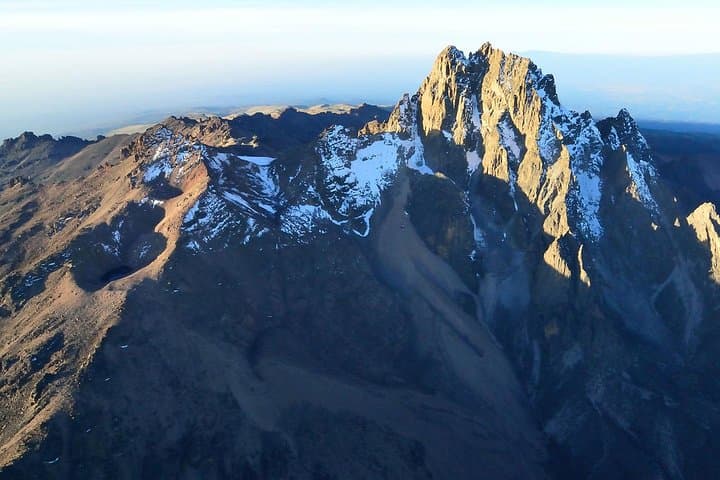
Geology here is blunt and ancient—Mount Kenya is an eroded stratovolcano of hard phonolite and nepheline, its jagged peaks carved by glaciers during the last ice age. The Sirimon approach stays on the drier northwest flank, offering clear views into Mackinders Valley and toward the glaciated cirques around Batian and Nelion. Culturally the mountain has long been sacred to the Kikuyu people—Point Lenana is tied to local rituals and the surrounding towns like Nanyuki grew with colonial and railway-era links.
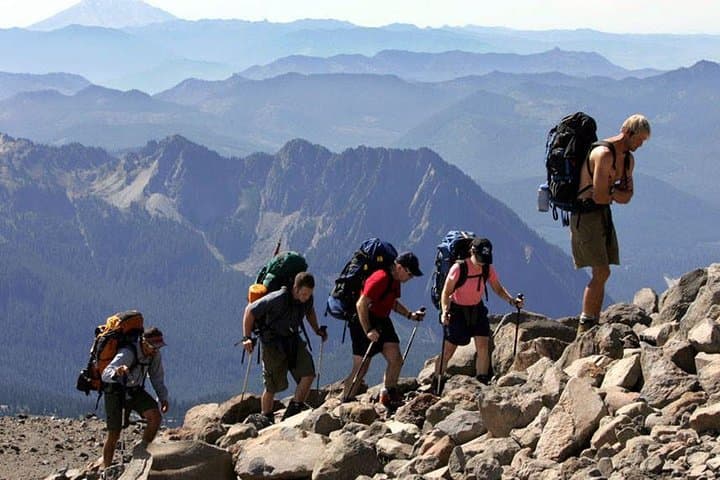
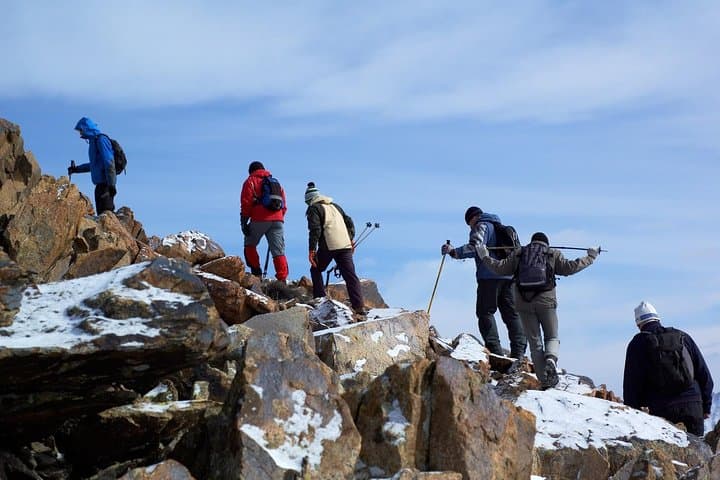
Expect long days on mixed terrain: compacted trail, stony gullies and alpine moorland with occasional scree. Acclimatization is built into the itinerary with a rest day at Shipton Camp and a pre-dawn summit push to Point Lenana. Weather shifts fast—sun can warm you while wind and altitude bite.
Practical guidance: plan layered clothing, a warm down layer for summit dawn, sturdy waterproof boots, and a headlamp for early starts. Hydrate and eat frequently; treat water if not supplied. Transfers from Nairobi and trained guides are standard; permits and park fees are required at the gate. With measured pacing and respect for altitude, the Sirimon route is a direct, scenic climb to Mount Kenya’s accessible summit.
challenging.
4–6 days.
Good aerobic base and experience with multi-day treks; able to carry a daypack and tolerate long uphill sections.
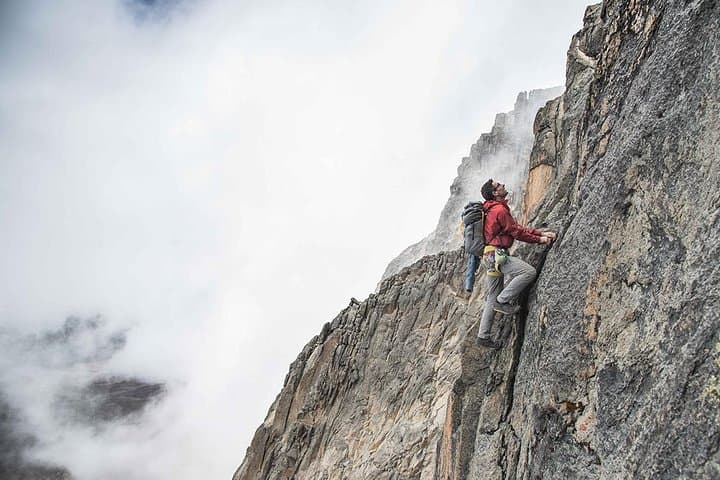
No technical climbing is required for Point Lenana on the Sirimon route; it’s a high‑altitude trek with some steep and rocky sections rather than technical rock climbing.
Entry permits and conservation fees for Mount Kenya National Park are required at the Sirimon Gate; guides typically arrange these or advise on current costs.
The driest windows are June–September and January–February; avoid the long rains (March–May) when trails are muddier and visibility is poor.
Altitude is the main risk—this itinerary includes an acclimatization day, but symptoms can still occur; communicate with guides and descend if severe symptoms appear.
Mount Kenya served as a landmark and spiritual place for local communities; colonial-era surveys and the Kenya-Uganda railway spurred nearby town growth like Nanyuki.
Mount Kenya National Park protects fragile alpine ecosystems and glacial remnants; stick to trails, pack out waste and follow park rules to limit erosion and habitat disturbance.
Gracepatt Safaris operates guided outdoor trips and adventures with an emphasis on safety, stewardship, and memorable experiences.
Dawn breaks over the Sirimon valley and the trail drinks the first light, trees sighing as you head uphill from the gate. The path threads montane forest, climbs into heathland and opens onto broad ridges that frame the great east face of Mount Kenya; at night the summit cones silhouette the sky and the wind feels like a patient guide.
Dawn breaks over the Sirimon valley and the trail drinks the first light, trees sighing as you head uphill from the gate. The path threads montane forest, climbs into heathland and opens onto broad ridges that frame the great east face of Mount Kenya; at night the summit cones silhouette the sky and the wind feels like a patient guide.
Geology here is blunt and ancient—Mount Kenya is an eroded stratovolcano of hard phonolite and nepheline, its jagged peaks carved by glaciers during the last ice age. The Sirimon approach stays on the drier northwest flank, offering clear views into Mackinders Valley and toward the glaciated cirques around Batian and Nelion. Culturally the mountain has long been sacred to the Kikuyu people—Point Lenana is tied to local rituals and the surrounding towns like Nanyuki grew with colonial and railway-era links.
Expect long days on mixed terrain: compacted trail, stony gullies and alpine moorland with occasional scree. Acclimatization is built into the itinerary with a rest day at Shipton Camp and a pre-dawn summit push to Point Lenana. Weather shifts fast—sun can warm you while wind and altitude bite.
Practical guidance: plan layered clothing, a warm down layer for summit dawn, sturdy waterproof boots, and a headlamp for early starts. Hydrate and eat frequently; treat water if not supplied. Transfers from Nairobi and trained guides are standard; permits and park fees are required at the gate. With measured pacing and respect for altitude, the Sirimon route is a direct, scenic climb to Mount Kenya’s accessible summit.