THE ADVENTURE COLLECTIVE® · Independent discovery and booking for outdoor travel

Cross the High Atlas, clamber through Todgha Gorge and sleep beneath the stars in Erg Chebbi on this five-day Morocco desert tour. Expect long scenic drives, a 1.5‑hour camel trek and immersive encounters with Berber villages.
Cross the High Atlas, clamber through Todgha Gorge and sleep beneath the stars in Erg Chebbi on this five-day Morocco desert tour. Expect long scenic drives, a 1.5‑hour camel trek and immersive encounters with Berber villages.
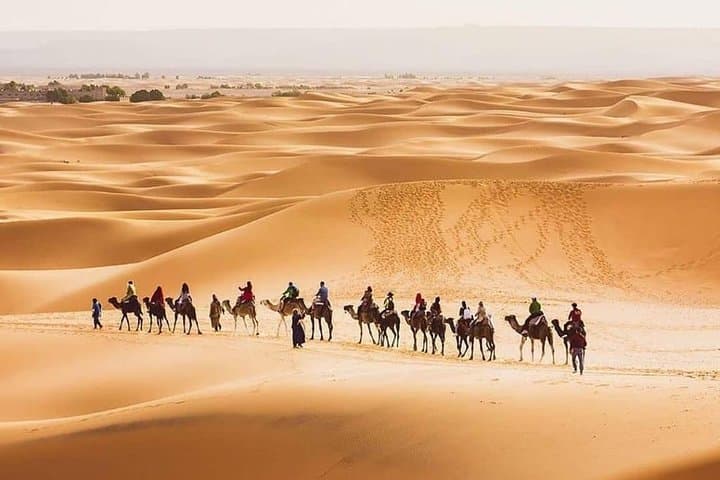
Sunlight breaks over the High Atlas as your vehicle climbs the Tizi n'Tichka pass, the road breathing out into a landscape that changes from terraced farms to ochre kasbahs and finally to a sea of sand.
Verified experiences and guided adventures in the surrounding area.
Operated by Gboo Morocco Tours · Merzouga, Drâa-Tafilalet
Sunlight breaks over the High Atlas as your vehicle climbs the Tizi n'Tichka pass, the road breathing out into a landscape that changes from terraced farms to ochre kasbahs and finally to a sea of sand.
This five-day loop from Marrakech crosses geological fault lines, carved gorges and the red-gold dunes of Erg Chebbi. You pass Ait Benhaddou — a fortified ksar with mudbrick towers shaped by centuries of caravan traffic — then follow the Valley of a Thousand Kasbahs into Dades and the plunging walls of Todgha Gorge (canyons up to ~300 m high). The Draa Valley unfolds later as a ribbon of palms and irrigated fields, reminders of ancient river routes that supported Saharan trade.
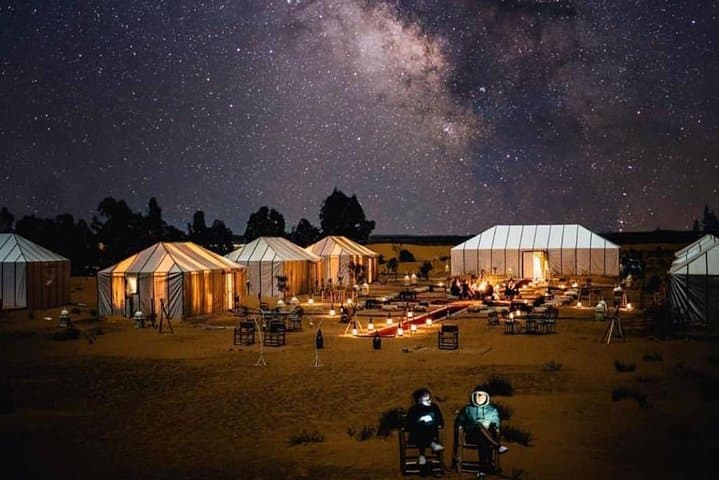
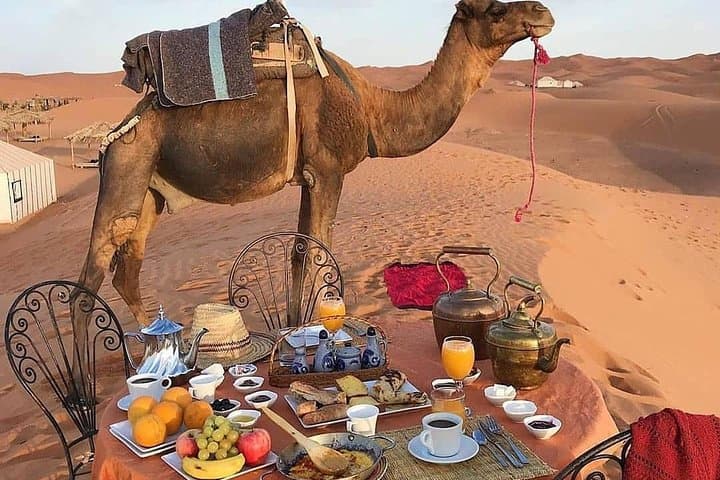
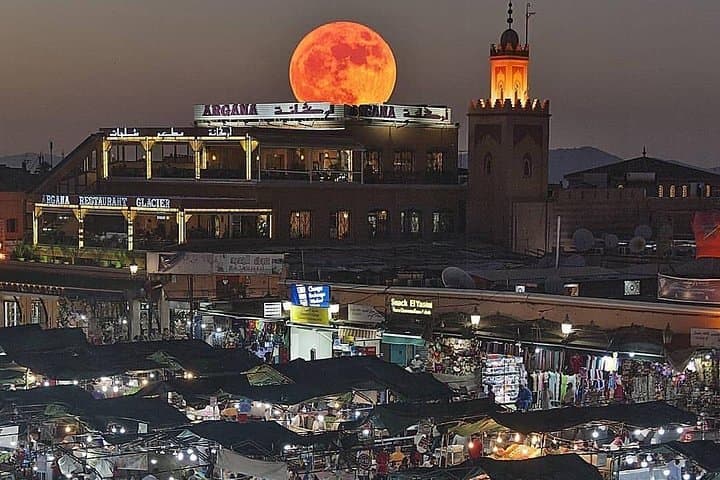
Culture threads through the trip: Berber villages, local markets in Rissani, and nomadic camps where guides drum at dusk. The dunes themselves feel alive — the wind composes new ridgelines overnight and the sand dares you to climb for a sunrise that spills color across the horizon.
Practical guidance: the tour relies on long road sections (expect multiple 4–6 hour drives and one overnight in a desert bivouac). Bring sun protection, layered clothing for cold desert nights, and sturdy shoes for oasis walks and short gorge treks. Camel rides to camp are typically 1.5 hours; be prepared for basic facilities at remote bivouacs. Hydrate proactively and schedule early starts to avoid peak heat in summer. If you want deeper cultural exchange, seek out a guided visit to a palm grove or a local market rather than sticking only to roadside stops.
moderate.
5 days (multi-day).
Moderate fitness to handle long vehicle days, short canyon treks, and a 1.5-hour camel ride; comfortable walking for 1–2 hours at stops.
Typical camel treks to the Merzouga bivouac last about 1.5 hours—enough for sunset and to reach a remote camp; it's mostly gentle but dusty.
Yes—bivouacs are simple nomadic-style tents with shared facilities; hotels in towns like Dades and Zagora are standard mid-range lodgings.
Not recommended for travelers with serious cardiovascular problems due to long drives, altitudes up to ~2,260 m, and desert conditions; check provider age policies for infants and children.
No—local guides handle navigation and logistics; reasonable mobility and comfort with long drives and camel riding are the main requirements.
The route follows centuries-old caravan tracks and ksar settlements that linked sub-Saharan trade to the Atlas and Atlantic; Ait Benhaddou remains an intact example of mudbrick fortress architecture used by Berber communities.
Water is scarce—use refillable bottles and minimize laundering at remote camps; respect private agricultural plots and keep to designated tracks to protect fragile desert soils.
Gboo Morocco Tours operates guided outdoor trips and adventures with an emphasis on safety, stewardship, and memorable experiences.
Sunlight breaks over the High Atlas as your vehicle climbs the Tizi n'Tichka pass, the road breathing out into a landscape that changes from terraced farms to ochre kasbahs and finally to a sea of sand.
Sunlight breaks over the High Atlas as your vehicle climbs the Tizi n'Tichka pass, the road breathing out into a landscape that changes from terraced farms to ochre kasbahs and finally to a sea of sand.
This five-day loop from Marrakech crosses geological fault lines, carved gorges and the red-gold dunes of Erg Chebbi. You pass Ait Benhaddou — a fortified ksar with mudbrick towers shaped by centuries of caravan traffic — then follow the Valley of a Thousand Kasbahs into Dades and the plunging walls of Todgha Gorge (canyons up to ~300 m high). The Draa Valley unfolds later as a ribbon of palms and irrigated fields, reminders of ancient river routes that supported Saharan trade.
Culture threads through the trip: Berber villages, local markets in Rissani, and nomadic camps where guides drum at dusk. The dunes themselves feel alive — the wind composes new ridgelines overnight and the sand dares you to climb for a sunrise that spills color across the horizon.
Practical guidance: the tour relies on long road sections (expect multiple 4–6 hour drives and one overnight in a desert bivouac). Bring sun protection, layered clothing for cold desert nights, and sturdy shoes for oasis walks and short gorge treks. Camel rides to camp are typically 1.5 hours; be prepared for basic facilities at remote bivouacs. Hydrate proactively and schedule early starts to avoid peak heat in summer. If you want deeper cultural exchange, seek out a guided visit to a palm grove or a local market rather than sticking only to roadside stops.