THE ADVENTURE COLLECTIVE® · Independent discovery and booking for outdoor travel

A five-day loop from Marrakech across the Atlas to the Erg Chebbi dunes, Fes and the blue lanes of Chefchaouen. Expect dramatic landscapes, a night in a desert camp and a fast-paced introduction to Morocco’s history and culture.
A five-day loop from Marrakech across the Atlas to the Erg Chebbi dunes, Fes and the blue lanes of Chefchaouen. Expect dramatic landscapes, a night in a desert camp and a fast-paced introduction to Morocco’s history and culture.
The city exhales heat and spice as the minarets of Marrakech shrink in the rearview mirror. Over five days the road climbs through the High Atlas, folds past mud-brick kasbahs and finally spills into the orange ribs of Erg Chebbi where dunes dare you to keep walking until the sun softens them into shadow.
Verified experiences and guided adventures in the surrounding area.
Operated by Camel Trekking in Morocco · Marrakech, Marrakesh-Safi
The city exhales heat and spice as the minarets of Marrakech shrink in the rearview mirror. Over five days the road climbs through the High Atlas, folds past mud-brick kasbahs and finally spills into the orange ribs of Erg Chebbi where dunes dare you to keep walking until the sun softens them into shadow.
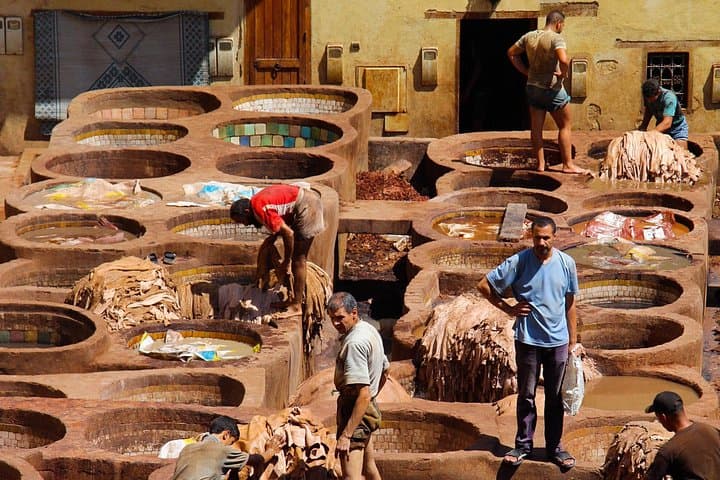
This route traces centuries-old caravan passages and film-set landscapes: the earthen towers of Ait Ben Haddou, a UNESCO ksar, stand where trade once funneled gold and salt. Geology is obvious—the Atlas thrusts up folded sediment and volcanic materials, then gives way eastward to the wind-sculpted Sahara. Culture here alternates between bustling souks, the tannery alleys of Fes, and quiet Berber villages where olives and dates anchor local life.
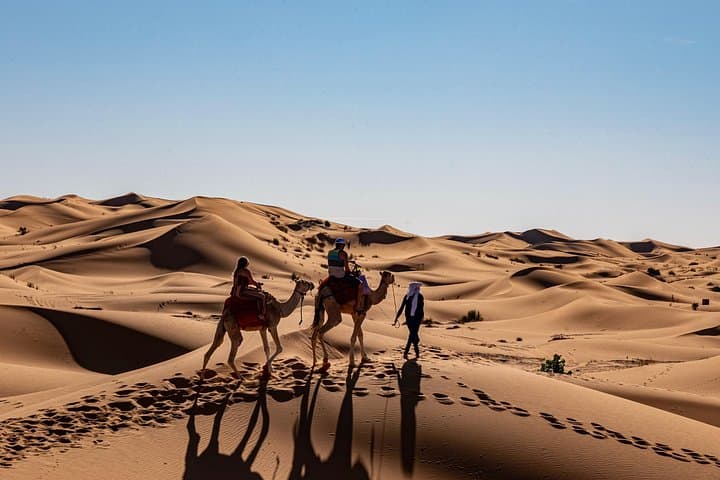
Expect variety: narrow medina streets in Fes and Chefchaouen's cobalt alleys, canyon walks at Todra and Todgha Gorges, fossil-rich hamlets near Erfoud, and a nocturnal desert camp under a broad star field. Camels manage the dunes; guides manage logistics, dinner and a night by the fire accompanied by Berber songs.
Practical edge: pack layers for big temperature swings, bring a refillable water bottle and local currency for souks and tips. Wear closed-toe walking shoes for gorges and uneven medina lanes; a sun hat and sunscreen are essential on the dunes. Plan rest days after long drives and allow flexibility for weather or road conditions. With basic fitness and an appetite for cultural immersion, this is a compact, high-contrast introduction to Morocco’s landscapes and living history.
moderate.
5 days.
Moderate: comfortable with several hours of walking and long vehicle transfers; suitable for most active travelers.
Private transport, listed breakfasts and dinners, overnight accommodations, desert camp night, camel ride into Erg Chebbi, and guided visits per the itinerary are included; check the booking page for specifics.
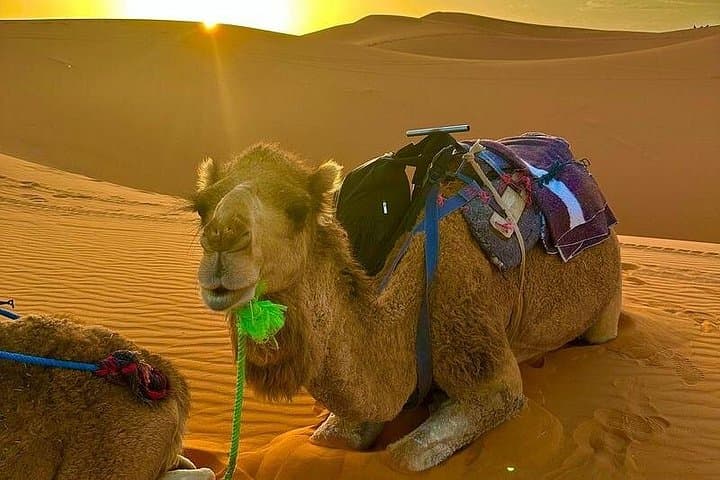
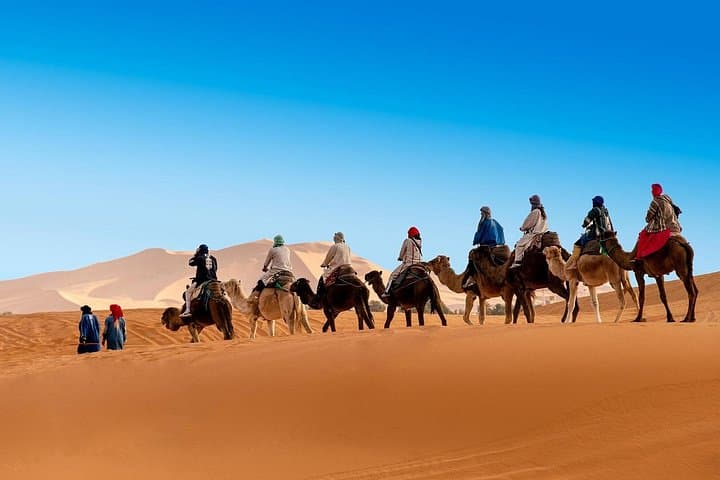
The camel trek is typically about an hour across dunes and is low impact; desert nights involve simple camp facilities—basic sleeping arrangements and shared bathrooms may apply.
Most operators can accommodate common dietary needs if informed at booking; note special requirements on your reservation to ensure the kitchen can plan ahead.
The itinerary involves long drives, uneven surfaces and a camel ride, so it may be challenging for those with limited mobility; infants and small children are generally permitted but check the operator’s guidance.
The route follows historic caravan and trading corridors; Ait Ben Haddou preserves fortified ksar architecture tied to trans-Saharan trade and film history.
Water is scarce across the region—minimize consumption and use provided water conservatively; support local guides and camps that follow leave-no-trace and responsible waste practices.
Camel Trekking in Morocco operates guided outdoor trips and adventures with an emphasis on safety, stewardship, and memorable experiences.
The city exhales heat and spice as the minarets of Marrakech shrink in the rearview mirror. Over five days the road climbs through the High Atlas, folds past mud-brick kasbahs and finally spills into the orange ribs of Erg Chebbi where dunes dare you to keep walking until the sun softens them into shadow.
The city exhales heat and spice as the minarets of Marrakech shrink in the rearview mirror. Over five days the road climbs through the High Atlas, folds past mud-brick kasbahs and finally spills into the orange ribs of Erg Chebbi where dunes dare you to keep walking until the sun softens them into shadow.
This route traces centuries-old caravan passages and film-set landscapes: the earthen towers of Ait Ben Haddou, a UNESCO ksar, stand where trade once funneled gold and salt. Geology is obvious—the Atlas thrusts up folded sediment and volcanic materials, then gives way eastward to the wind-sculpted Sahara. Culture here alternates between bustling souks, the tannery alleys of Fes, and quiet Berber villages where olives and dates anchor local life.
Expect variety: narrow medina streets in Fes and Chefchaouen's cobalt alleys, canyon walks at Todra and Todgha Gorges, fossil-rich hamlets near Erfoud, and a nocturnal desert camp under a broad star field. Camels manage the dunes; guides manage logistics, dinner and a night by the fire accompanied by Berber songs.
Practical edge: pack layers for big temperature swings, bring a refillable water bottle and local currency for souks and tips. Wear closed-toe walking shoes for gorges and uneven medina lanes; a sun hat and sunscreen are essential on the dunes. Plan rest days after long drives and allow flexibility for weather or road conditions. With basic fitness and an appetite for cultural immersion, this is a compact, high-contrast introduction to Morocco’s landscapes and living history.