THE ADVENTURE COLLECTIVE® · Independent discovery and booking for outdoor travel

A compact 5-day loop from Casablanca that pairs imperial cities with Sahara dune camping. Drive the High Atlas, ride camels across Erg Chebbi, and sleep under the desert sky—accessible for travelers with moderate tolerance for long transfers.
A compact 5-day loop from Casablanca that pairs imperial cities with Sahara dune camping. Drive the High Atlas, ride camels across Erg Chebbi, and sleep under the desert sky—accessible for travelers with moderate tolerance for long transfers.
You climb into the van at dawn in Casablanca and the Atlantic light peels away the city as asphalt stretches toward Rabat, then Fes—a corridor of imperial cities giving way to cedar forests and, eventually, the brown sweep of the High Atlas.
Verified experiences and guided adventures in the surrounding area.
Operated by Toubkal Experience · Casablanca, Casablanca-Settat
You climb into the van at dawn in Casablanca and the Atlantic light peels away the city as asphalt stretches toward Rabat, then Fes—a corridor of imperial cities giving way to cedar forests and, eventually, the brown sweep of the High Atlas.
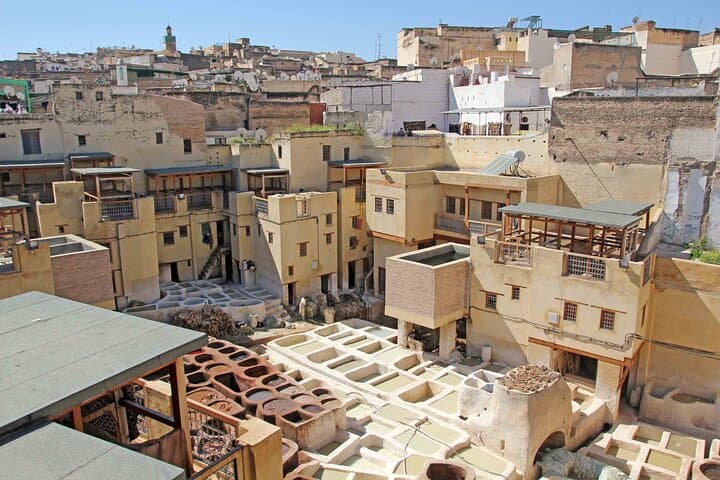
On day two you thread the medina of Fes, its alleys smelling of leather dye pits and orange blossom, then push east across the Middle Atlas where cedar trees host Barbary macaques. By day three the landscape opens: Erg Chebbi’s sand seas rise and fall like a slow ocean, the dunes daring you to walk the ridges at sunset. You mount a camel for the soft, rocking approach to a Berber camp and spend a star-heavy night in a heated tent.
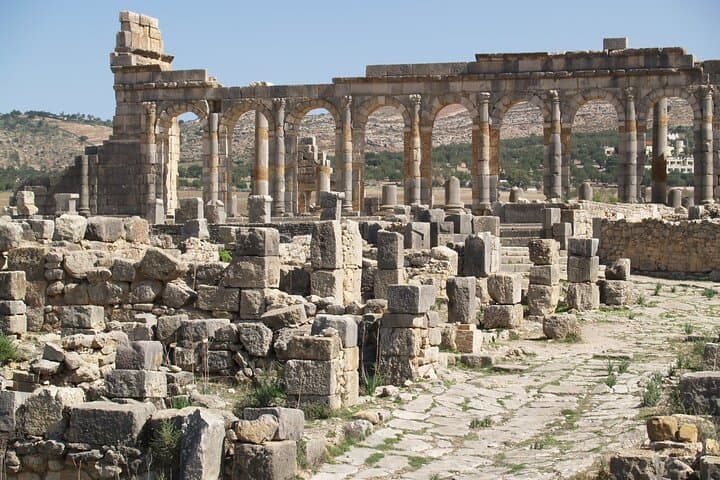
Geology shifts from Roman Volubilis’ volcanic basalts to the folded, snow-touched passes of Tizi n'Tichka (2,260 m). Culture follows trade routes—kasbahs in Ouarzazate, the rose markets of the Dades, and the film sets that earned the region the nickname ‘Hollywood of Africa.’
Practical guidance: expect long driving days (most transfers are 3–6 hours) and short guided walks in medinas and gorges. Pack layers for hot days and cold desert nights, bring cash for small markets, and carry at least 2–3 liters of water when walking dunes. Photography is best at first light or sunset; early starts avoid heat and crowded viewpoints.
This trip balances cultural immersion with accessible adventure: minimal technical skill required, but bring stamina for travel days and flexibility for local schedules.
moderate.
5 days.
Suitable for travelers who can handle multiple hours of vehicle travel per day, short hikes, and getting on/off camels; no special fitness required but mobility helpful.
Typical camel transfers to the Erg Chebbi camp last about 45–75 minutes; guides may offer shorter or longer options depending on the chosen camp location.
Desert camps range from simple Berber tents with shared facilities to more comfortable camps with private tent rooms and bathrooms; riads in cities are generally standard boutique hotels.
Yes—this tour notes stroller access and infant seats; however, families should consider long vehicle days and unpaved surfaces at some stops when planning with very young children.
Tipping is customary in Morocco; plan small amounts for guides, drivers, and camp staff—cash in dirhams is preferred.
The itinerary crosses historical trade and film routes—from Roman Volubilis to the fortified kasbahs of Ait Benhaddou—reflecting Morocco’s layered imperial, Berber, and caravan past.
Desert and mountain ecosystems are fragile; stick to marked paths, avoid driving on dunes, and reduce single-use plastics when staying in camps and riads.
Toubkal Experience operates guided outdoor trips and adventures with an emphasis on safety, stewardship, and memorable experiences.
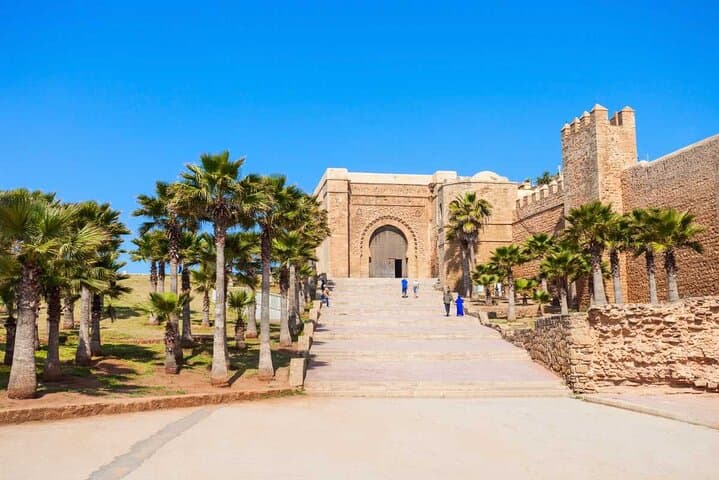
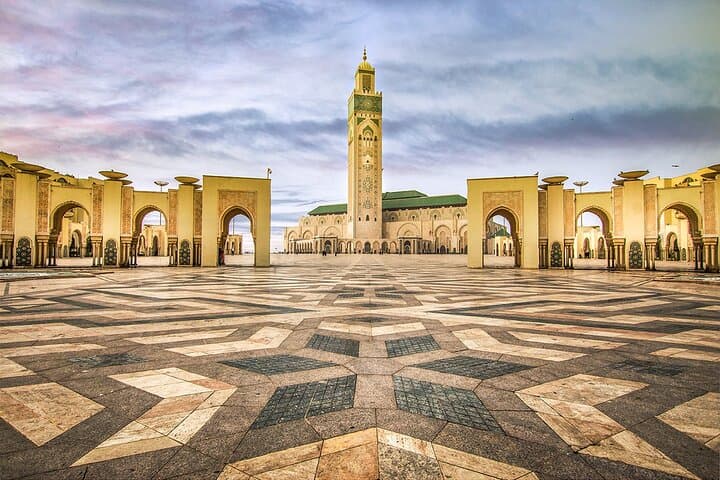
You climb into the van at dawn in Casablanca and the Atlantic light peels away the city as asphalt stretches toward Rabat, then Fes—a corridor of imperial cities giving way to cedar forests and, eventually, the brown sweep of the High Atlas.
You climb into the van at dawn in Casablanca and the Atlantic light peels away the city as asphalt stretches toward Rabat, then Fes—a corridor of imperial cities giving way to cedar forests and, eventually, the brown sweep of the High Atlas.
On day two you thread the medina of Fes, its alleys smelling of leather dye pits and orange blossom, then push east across the Middle Atlas where cedar trees host Barbary macaques. By day three the landscape opens: Erg Chebbi’s sand seas rise and fall like a slow ocean, the dunes daring you to walk the ridges at sunset. You mount a camel for the soft, rocking approach to a Berber camp and spend a star-heavy night in a heated tent.
Geology shifts from Roman Volubilis’ volcanic basalts to the folded, snow-touched passes of Tizi n'Tichka (2,260 m). Culture follows trade routes—kasbahs in Ouarzazate, the rose markets of the Dades, and the film sets that earned the region the nickname ‘Hollywood of Africa.’
Practical guidance: expect long driving days (most transfers are 3–6 hours) and short guided walks in medinas and gorges. Pack layers for hot days and cold desert nights, bring cash for small markets, and carry at least 2–3 liters of water when walking dunes. Photography is best at first light or sunset; early starts avoid heat and crowded viewpoints.
This trip balances cultural immersion with accessible adventure: minimal technical skill required, but bring stamina for travel days and flexibility for local schedules.