THE ADVENTURE COLLECTIVE® · Independent discovery and booking for outdoor travel

A five-day guided program that pairs technical drills and staged hut nights to safely summit Mont Blanc (4,810 m) via the Goûter route. Expect long glacier days, exposed ridgelines, and focused acclimatization under a UIAGM/IFMGA guide.
A five-day guided program that pairs technical drills and staged hut nights to safely summit Mont Blanc (4,810 m) via the Goûter route. Expect long glacier days, exposed ridgelines, and focused acclimatization under a UIAGM/IFMGA guide.
The rope hums quietly under your gloves as the valley shrinks into a carved ribbon below. Dawn on the Goûter ridge strips color from granite and ice—shadows sharp, wind keeping the summit cairn honest. Over five days, this guided program moves like a carefully paced ascent: slow enough to acclimatize, exact enough to manage seracs and crevasse terrain, and focused on the final push to 4,810 meters.
Verified experiences and guided adventures in the surrounding area.
Operated by Kookoo Climb · Chamonix, Auvergne-Rhône-Alpes
The rope hums quietly under your gloves as the valley shrinks into a carved ribbon below. Dawn on the Goûter ridge strips color from granite and ice—shadows sharp, wind keeping the summit cairn honest. Over five days, this guided program moves like a carefully paced ascent: slow enough to acclimatize, exact enough to manage seracs and crevasse terrain, and focused on the final push to 4,810 meters.
Mont Blanc has been drawing climbers since the first ascent in 1786. Geologically it is an uplifted massif of granite and folded metamorphic rock, capped by a network of glaciers that still grind against valley walls. The Goûter route—often called the normal route—is the least technical path to the summit but not the least demanding: long elevation gains, exposed ridgelines, and the classic mix of loose rock near the Goûter hut and hard snowfields higher up.
The climb takes place within a lively alpine culture centered on Chamonix. Mountain guides here follow a tradition of meticulous route-finding and weather-reading; local refuges—Tête Rousse and Goûter among them—offer no-frills, high-altitude hospitality and the necessary staging points for summit day. The massif’s history is a record of glacier retreat and evolving access; lift systems and refuge reservations now shape the rhythm of modern ascents.
Practical guidance: expect three nights in refuges (half board) and a certified UIAGM/IFMGA guide throughout. Typical days include glacier travel drills, acclimatization climbs, and an early-morning summit push that can mean 12–14 hour days from hut to hut and back. Terrain alternates between steep snow slopes, crevassed glacier travel, and sections of scree and fixed rope on the upper Goûter ridge.
Fitness and technique matter: participants should be comfortable with long days carrying 8–12 kg, moving on crampons, using an ice axe, and negotiating exposed ridgelines. The operator supplies ropes, carabiners and manages refuge bookings; lift passes and some logistical costs are included. Weather dictates safety—summit windows are narrow—and guides will abort when conditions compromise margins.
To prepare: train for sustained aerobic efforts and hill repeats, practice crampon and ice-axe arrest on steep snow, and plan layers for big temperature swings. Bring strong, broken-in mountaineering boots and a light day pack for summit day. Finally, treat the mountain with respect: altitude is the silent variable—pace yourself, hydrate deliberately, and trust the guide when they set the tempo.
challenging.
5 days.
High — regular endurance training, experience with multi‑hour climbs and carrying a loaded pack required
The program includes three nights in mountain refuges (half board) plus guide accommodation; exact huts typically include Tête Rousse and Goûter.
Yes — participants should have prior experience with crampons and long alpine days; the course focuses on acclimatization and refining technique, not basic introductions.
The Goûter route is mostly non-technical but involves exposed ridgelines, fixed ropes, and glacier travel—technical competence with crampons and ice axe is required.
Guides will postpone or cancel summit attempts when conditions compromise safety; the operator requires confirmation of refuge availability before booking flights.
Yes — ropes, carabiners and group technical equipment are supplied; personal items like boots and crampons must be brought by participants.
Strongly recommended — get insurance that covers high-altitude mountaineering, rescue, and trip interruptions.
Mont Blanc was first climbed in 1786, marking the start of modern alpinism; Chamonix developed early as a mountaineering center and alpine tourism hub.
Glacier retreat and hut impact are active concerns—stick to marked routes, pack out waste when possible, and support refuge stewardship programs.
Kookoo Climb operates guided outdoor trips and adventures with an emphasis on safety, stewardship, and memorable experiences.
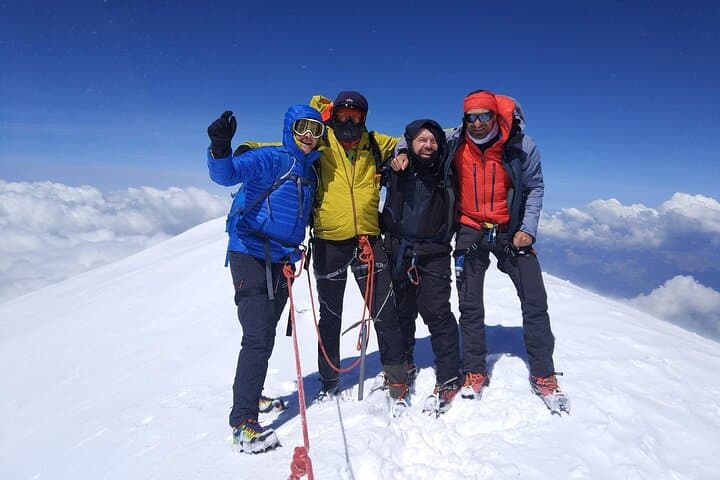
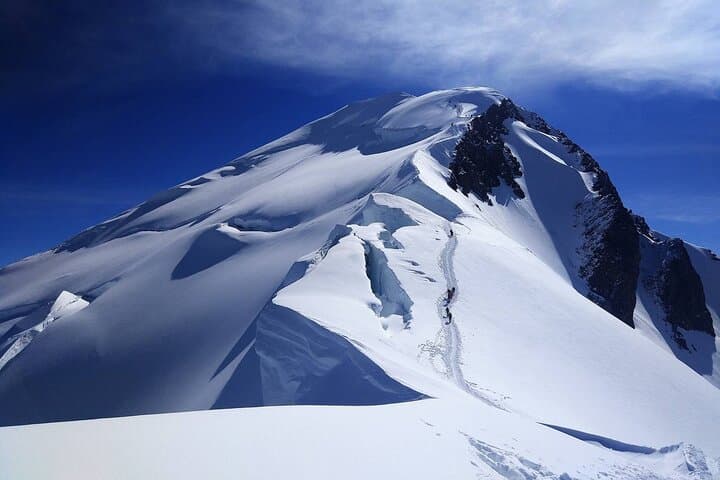
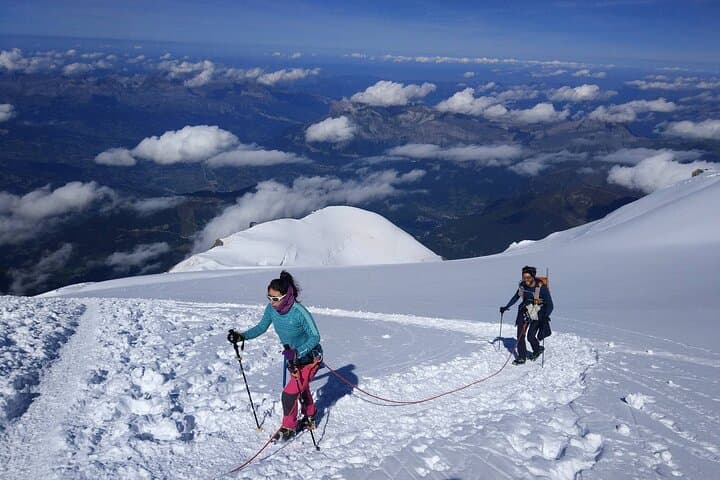
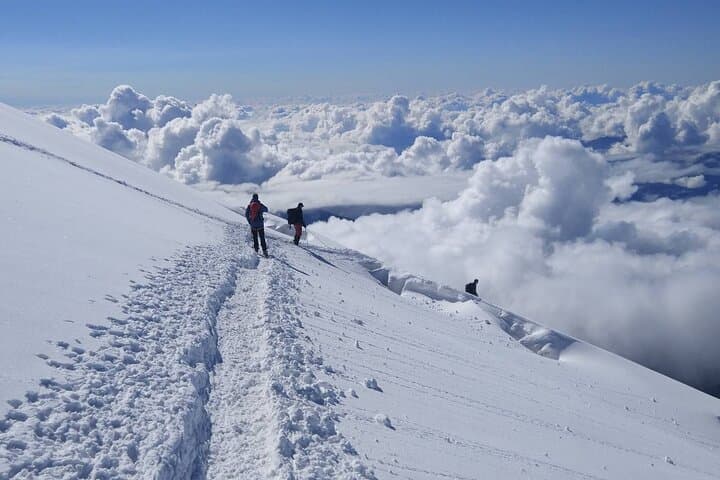
The rope hums quietly under your gloves as the valley shrinks into a carved ribbon below. Dawn on the Goûter ridge strips color from granite and ice—shadows sharp, wind keeping the summit cairn honest. Over five days, this guided program moves like a carefully paced ascent: slow enough to acclimatize, exact enough to manage seracs and crevasse terrain, and focused on the final push to 4,810 meters.
The rope hums quietly under your gloves as the valley shrinks into a carved ribbon below. Dawn on the Goûter ridge strips color from granite and ice—shadows sharp, wind keeping the summit cairn honest. Over five days, this guided program moves like a carefully paced ascent: slow enough to acclimatize, exact enough to manage seracs and crevasse terrain, and focused on the final push to 4,810 meters.
Mont Blanc has been drawing climbers since the first ascent in 1786. Geologically it is an uplifted massif of granite and folded metamorphic rock, capped by a network of glaciers that still grind against valley walls. The Goûter route—often called the normal route—is the least technical path to the summit but not the least demanding: long elevation gains, exposed ridgelines, and the classic mix of loose rock near the Goûter hut and hard snowfields higher up.
The climb takes place within a lively alpine culture centered on Chamonix. Mountain guides here follow a tradition of meticulous route-finding and weather-reading; local refuges—Tête Rousse and Goûter among them—offer no-frills, high-altitude hospitality and the necessary staging points for summit day. The massif’s history is a record of glacier retreat and evolving access; lift systems and refuge reservations now shape the rhythm of modern ascents.
Practical guidance: expect three nights in refuges (half board) and a certified UIAGM/IFMGA guide throughout. Typical days include glacier travel drills, acclimatization climbs, and an early-morning summit push that can mean 12–14 hour days from hut to hut and back. Terrain alternates between steep snow slopes, crevassed glacier travel, and sections of scree and fixed rope on the upper Goûter ridge.
Fitness and technique matter: participants should be comfortable with long days carrying 8–12 kg, moving on crampons, using an ice axe, and negotiating exposed ridgelines. The operator supplies ropes, carabiners and manages refuge bookings; lift passes and some logistical costs are included. Weather dictates safety—summit windows are narrow—and guides will abort when conditions compromise margins.
To prepare: train for sustained aerobic efforts and hill repeats, practice crampon and ice-axe arrest on steep snow, and plan layers for big temperature swings. Bring strong, broken-in mountaineering boots and a light day pack for summit day. Finally, treat the mountain with respect: altitude is the silent variable—pace yourself, hydrate deliberately, and trust the guide when they set the tempo.