THE ADVENTURE COLLECTIVE® · Independent discovery and booking for outdoor travel

Explore Mole National Park over five immersive days: game drives for elephants and antelope, walking safaris, a canoe ride, and community tours to Larabanga and Mognori. This trip pairs close wildlife encounters with cultural visits to local villages.
Explore Mole National Park over five immersive days: game drives for elephants and antelope, walking safaris, a canoe ride, and community tours to Larabanga and Mognori. This trip pairs close wildlife encounters with cultural visits to local villages.
Dawn over the Sahel arrives gold and quiet as you touch down in Tamale and drive west through flat acacia plains toward Damongo. The road narrows, baobabs appear like old guards, and Mole National Park opens ahead—big sky, herds that move with patient intent, and birds that dare you to keep up.
Verified experiences and guided adventures in the surrounding area.
Operated by Mole Boy Travel & Safe Guide Tours · Damongo, Savannah Region
Dawn over the Sahel arrives gold and quiet as you touch down in Tamale and drive west through flat acacia plains toward Damongo. The road narrows, baobabs appear like old guards, and Mole National Park opens ahead—big sky, herds that move with patient intent, and birds that dare you to keep up.
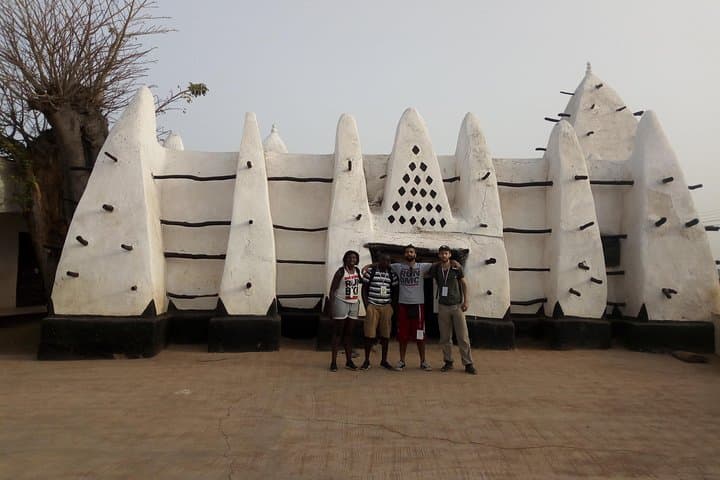
Mole is Ghana’s largest wildlife reserve, created mid-20th century to protect savanna species. The landscape is low rolling grassland cut by dry streambeds and scattered termite mounds; pockets of gallery forest shelter the Larabanga Mosque, an earthen Sudano-Sahelian structure dating back centuries and still an active cultural site. Community villages such as Mognori and Daboya offer living culture—canoe travel, shea-butter making, and smock-weaving traditions that connect local livelihoods to the land.
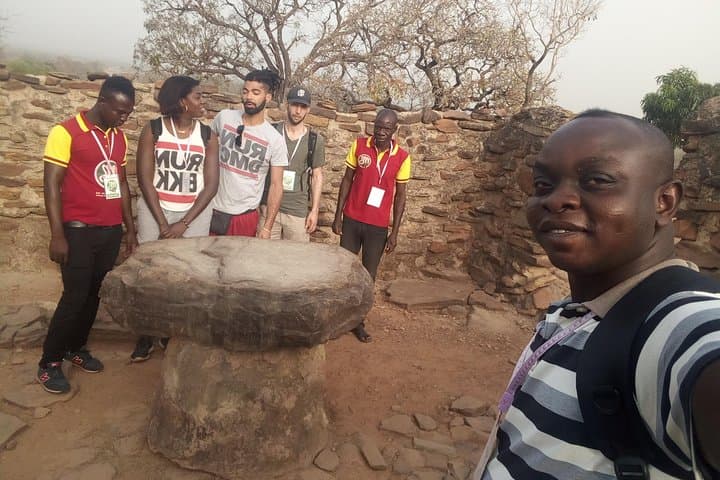
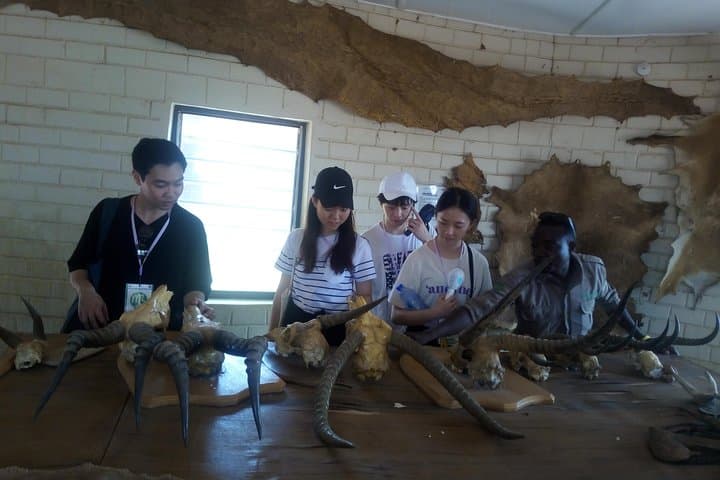
Expect game drives at golden hour for elephants and antelope, guided walking safaris that bring you close to birdlife, and a canoe trip on the White Volta or local lagoons. Hikes around Damongo include small caves and rocky outcrops; terrain is generally easy but sun exposure is high.
Practicalities: travel light, carry 2–3 liters of water during outings, and set your mornings and late afternoons for wildlife viewing. Wear closed shoes for walking safaris, long sleeves for dusk to reduce insects, and keep cash for village purchases. Guides balance wildlife safety and community respect—keep distance from elephants, follow instructions, and ask before photographing people. Over five days you’ll move between game drives, village walks, canoeing, and evenings under a wide Sahel sky—an immersive, accessible West African safari that pairs wildlife with meaningful local encounters.
moderate.
5 days.
Moderate fitness recommended—able to do 1–3 hour walks and tolerate long vehicle transfers and heat.
Yellow fever vaccination is commonly required for entry to Ghana; consult a travel clinic for malaria prophylaxis and routine vaccines well before travel.
The itinerary notes suitability for most fitness levels; however, long drives and early starts may be tiring—check with the operator about age limits and vehicle comfort.
Accommodation at Mole Motel and most breakfasts plus one lunch are included, but some meals, drinks, and optional extras like souvenirs are typically not covered—confirm before booking.
Walking safaris bring you closer to tracks and small mammals; guides maintain safety distances from large animals and will abort approaches if wildlife behaves unpredictably.
Larabanga Mosque is one of West Africa’s oldest timber-and-mud mosques and a focal point for local cultural visits; Mole National Park was established to protect savanna species mid-20th century.
Community-based tourism and park fees support anti-poaching and local livelihoods; visitors can minimize impact by staying on trails, avoiding single-use plastics, and buying local crafts.
Mole Boy Travel & Safe Guide Tours operates guided outdoor trips and adventures with an emphasis on safety, stewardship, and memorable experiences.
Dawn over the Sahel arrives gold and quiet as you touch down in Tamale and drive west through flat acacia plains toward Damongo. The road narrows, baobabs appear like old guards, and Mole National Park opens ahead—big sky, herds that move with patient intent, and birds that dare you to keep up.
Dawn over the Sahel arrives gold and quiet as you touch down in Tamale and drive west through flat acacia plains toward Damongo. The road narrows, baobabs appear like old guards, and Mole National Park opens ahead—big sky, herds that move with patient intent, and birds that dare you to keep up.
Mole is Ghana’s largest wildlife reserve, created mid-20th century to protect savanna species. The landscape is low rolling grassland cut by dry streambeds and scattered termite mounds; pockets of gallery forest shelter the Larabanga Mosque, an earthen Sudano-Sahelian structure dating back centuries and still an active cultural site. Community villages such as Mognori and Daboya offer living culture—canoe travel, shea-butter making, and smock-weaving traditions that connect local livelihoods to the land.
Expect game drives at golden hour for elephants and antelope, guided walking safaris that bring you close to birdlife, and a canoe trip on the White Volta or local lagoons. Hikes around Damongo include small caves and rocky outcrops; terrain is generally easy but sun exposure is high.
Practicalities: travel light, carry 2–3 liters of water during outings, and set your mornings and late afternoons for wildlife viewing. Wear closed shoes for walking safaris, long sleeves for dusk to reduce insects, and keep cash for village purchases. Guides balance wildlife safety and community respect—keep distance from elephants, follow instructions, and ask before photographing people. Over five days you’ll move between game drives, village walks, canoeing, and evenings under a wide Sahel sky—an immersive, accessible West African safari that pairs wildlife with meaningful local encounters.