THE ADVENTURE COLLECTIVE® · Independent discovery and booking for outdoor travel

A compact 5-day trek from Pokhara that climbs through rhododendron forests to a high camp with direct views of the Annapurna massif. Practical for fit hikers, the route uses teahouses and highlights sunrise panoramas and local Gurung villages.
A compact 5-day trek from Pokhara that climbs through rhododendron forests to a high camp with direct views of the Annapurna massif. Practical for fit hikers, the route uses teahouses and highlights sunrise panoramas and local Gurung villages.
Morning mist unravels over terraced rice paddies as you step out of Pokhara and the trail begins to climb. The path threads from village lanes through rhododendron and oak, dropping into river gorges that dare you to move faster; higher up the air thins and the Annapurna range sharpens into a jagged skyline. By the time you reach High Camp the mountains feel immediate—an arm’s-length panorama that rewards early starts and steady legs.
Verified experiences and guided adventures in the surrounding area.
Operated by Dadhi Ram Thapa · Pokhara, Gandaki Province
Morning mist unravels over terraced rice paddies as you step out of Pokhara and the trail begins to climb. The path threads from village lanes through rhododendron and oak, dropping into river gorges that dare you to move faster; higher up the air thins and the Annapurna range sharpens into a jagged skyline. By the time you reach High Camp the mountains feel immediate—an arm’s-length panorama that rewards early starts and steady legs.
The route follows routes used by local communities for generations, passing Gurung villages that historically linked lowland markets with Himalayan pastures. Geologically this is the Annapurna massif—young, rising rock shaped by active uplift and glacial carving—so expect steep moraine slopes, exposed ridgelines, and fine scree near upper camps.
Culture on the trail is quiet and practical: simple teahouses, home-cooked dal bhat, and hosts who trade stories for salt and tea. Wildlife sightings are mostly avian—pheasants and raptors—and the landscape shifts from sub-tropical forests to alpine scrub as you gain altitude.
Practical guidance: plan for altitude gain to roughly 3,500–4,500 m over five days, bring layers for cold nights, and use trekking poles for steep descents. Hydrate early and allow for slow, steady pacing on climbs; teahouse accommodation removes camping logistics but means basic facilities and shared rooms.
This itinerary works best March–May and September–November when trails are clear and views are crisp. Expect 4–7 hours of hiking most days, modest technical demand but real altitude exposure—train with long day hikes and prioritize a lightweight pack. With straightforward logistics from Pokhara, Mardi Himal is an accessible high-country introduction for trekkers ready to trade comfort for close-up mountain time.
challenging.
5 days.
Should be in good aerobic shape with prior multi-day hiking experience; comfortable with daily 4–7 hour ascents and descents at altitude.
High Camp and the viewpoint sit in the approximate 3,500–4,500 m range depending on exact route variations, so expect significant altitude exposure.
This itinerary uses teahouses and a homestay on the final night; rooms are basic but warm food and beds are provided.
Yes—trekkers in the Annapurna region require TIMS and an Annapurna Conservation Area permit; guides usually arrange these before departure.
Fit first-time trekkers can manage if they prepare for altitude and carry light packs, but prior multi-day hiking experience is recommended.
The trail threads Gurung villages that historically linked lowland Pokhara with seasonal pastures; local hospitality remains central to the trek experience.
The route lies within the Annapurna Conservation Area, managed to limit erosion and protect wildlife—follow leave-no-trace practices and use established teahouses.
Dadhi Ram Thapa operates guided outdoor trips and adventures with an emphasis on safety, stewardship, and memorable experiences.
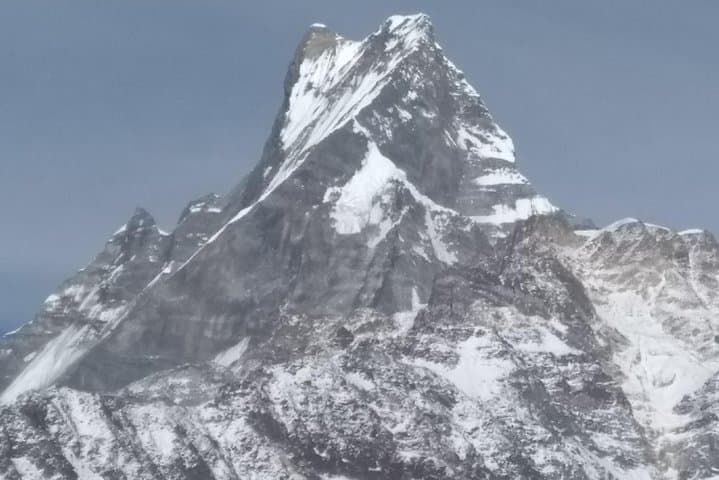


Morning mist unravels over terraced rice paddies as you step out of Pokhara and the trail begins to climb. The path threads from village lanes through rhododendron and oak, dropping into river gorges that dare you to move faster; higher up the air thins and the Annapurna range sharpens into a jagged skyline. By the time you reach High Camp the mountains feel immediate—an arm’s-length panorama that rewards early starts and steady legs.
Morning mist unravels over terraced rice paddies as you step out of Pokhara and the trail begins to climb. The path threads from village lanes through rhododendron and oak, dropping into river gorges that dare you to move faster; higher up the air thins and the Annapurna range sharpens into a jagged skyline. By the time you reach High Camp the mountains feel immediate—an arm’s-length panorama that rewards early starts and steady legs.
The route follows routes used by local communities for generations, passing Gurung villages that historically linked lowland markets with Himalayan pastures. Geologically this is the Annapurna massif—young, rising rock shaped by active uplift and glacial carving—so expect steep moraine slopes, exposed ridgelines, and fine scree near upper camps.
Culture on the trail is quiet and practical: simple teahouses, home-cooked dal bhat, and hosts who trade stories for salt and tea. Wildlife sightings are mostly avian—pheasants and raptors—and the landscape shifts from sub-tropical forests to alpine scrub as you gain altitude.
Practical guidance: plan for altitude gain to roughly 3,500–4,500 m over five days, bring layers for cold nights, and use trekking poles for steep descents. Hydrate early and allow for slow, steady pacing on climbs; teahouse accommodation removes camping logistics but means basic facilities and shared rooms.
This itinerary works best March–May and September–November when trails are clear and views are crisp. Expect 4–7 hours of hiking most days, modest technical demand but real altitude exposure—train with long day hikes and prioritize a lightweight pack. With straightforward logistics from Pokhara, Mardi Himal is an accessible high-country introduction for trekkers ready to trade comfort for close-up mountain time.