THE ADVENTURE COLLECTIVE® · Independent discovery and booking for outdoor travel

A classic, hut‑based climb that moves from rainforest to alpine desert, the 5‑day Marangu Route offers a structured path to Uhuru Peak. Expect long days, crucial acclimatization, and unforgettable sunrise views above Mawenzi.
A classic, hut‑based climb that moves from rainforest to alpine desert, the 5‑day Marangu Route offers a structured path to Uhuru Peak. Expect long days, crucial acclimatization, and unforgettable sunrise views above Mawenzi.
The headlamp dots ahead like a steady promise as the group files out of Kibo Hut into a clear, Arctic night. Wind bites at exposed faces while breath fogs in the thin air; the trail is a string of footprints that climb toward Gilman’s Point and the world’s highest sunrise. By the time the sun clears Mawenzi’s knife-edge, the plains of Tanzania open like a living map below — and the reason so many choose the Marangu Route becomes obvious: a route that moves from tropical rain forest to alpine desert in a single, memorable arc.
Verified experiences and guided adventures in the surrounding area.
Operated by Kili Team Adventures · Moshi, Kilimanjaro Region
The headlamp dots ahead like a steady promise as the group files out of Kibo Hut into a clear, Arctic night. Wind bites at exposed faces while breath fogs in the thin air; the trail is a string of footprints that climb toward Gilman’s Point and the world’s highest sunrise. By the time the sun clears Mawenzi’s knife-edge, the plains of Tanzania open like a living map below — and the reason so many choose the Marangu Route becomes obvious: a route that moves from tropical rain forest to alpine desert in a single, memorable arc.
The Marangu Route is the oldest established path on Kilimanjaro, favored for its gradual gradients, hut accommodations, and direct line to Uhuru Peak. Geologically, climbers trace a volcanic history here: Kibo, Mawenzi and Shira are the three cones of a once-active massif whose ice cap sits atop porous volcanic rock. Culturally the trek threads through Chagga farmland and village life around Moshi — coffee terraces, banana groves and the steady rhythm of porter teams that make summit attempts possible.
On day one the trail rises through dense rain forest where blue monkeys and sunbirds move like punctuation. Above the treeline the heath and moorland open, and then the landscape thins into the saddle: a lunar desert of scree and volcanic gravel that tests ankles and patience. Summit night is the objective — a long, slow ascent from Kibo Hut, past Gilman’s Point, to Uhuru Peak. The descent to Horombo and then Marangu Gate undoes the altitude quickly, returning walkers to warm showers and stamped certificates.
Practical reality matters: the itinerary packs long days — expect 4–8 hours of hiking on approach days and a 10–14 hour summit push including ascent and descent time. Acclimatization is the single most important factor for success; the schedule includes nights at Mandara, Horombo and Kibo to increase your odds. Guides provide oxygen, pulse oximeters and a portable flushable toilet in camp, and porters carry heavy loads, but personal fitness and layered clothing are non‑negotiable.
Timing your trip around Tanzania’s seasons affects conditions: the long rains (March–May) make lower sections slippery; the clearer months (January–February, July–October) offer more reliable skies. Hydration, frequent short breaks, and steady pacing are the simplest tools against altitude. Respect the mountain — pack out waste, tip porters fairly, and prepare for extremes in a single day.
For hikers who want a classic summit experience with structured accommodation and a professional mountain team, the 5‑day Marangu Route delivers a direct, storied, and achievable path to the roof of Africa. With honest training, smart packing, and patience on the trail, the sunrise over Mawenzi will feel earned and unforgettable.
challenging.
5 days.
Good cardiovascular fitness with regular uphill hiking and stair training. Prepare with long walks carrying a daypack and altitude simulation if possible.
Summit day is the longest and most demanding: expect 10–14 hours total, significant ascent above 4,700 m, extreme cold and strong winds—pace and acclimatization determine success.
No technical gear is required; the route is a high‑altitude hike. Sturdy boots, layers, and trekking poles are recommended.
Accommodation is hut‑based on Marangu route: shared sleeping huts with mattresses; bring a warm sleeping bag rated to at least -10°C for summit comfort.
January–February and July–October have the most stable weather; avoid long‑rain season (March–May) if you want drier trails.
Acute mountain sickness is possible at the elevations on Kilimanjaro; follow the itinerary, hydrate, ascend slowly, and communicate symptoms to your guide immediately.
Yes—professional guides, cooks and porters are provided; tipping is customary and supports local livelihoods.
Marangu is the island’s oldest commercial route and the first to host hut accommodations; Europeans used it in early 20th‑century expeditions and it remains culturally linked to Chagga communities below.
Kilimanjaro National Park fees fund conservation and rescue services; follow park rules, pack out waste, and support ethical operators who pay fair wages to porters.
Kili Team Adventures operates guided outdoor trips and adventures with an emphasis on safety, stewardship, and memorable experiences.
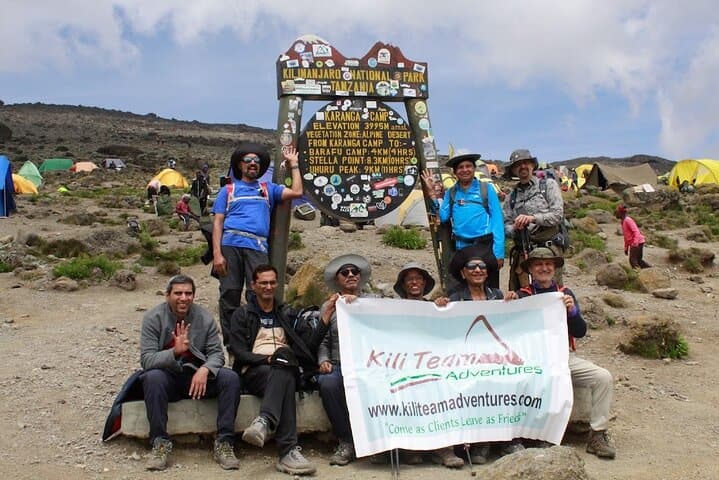
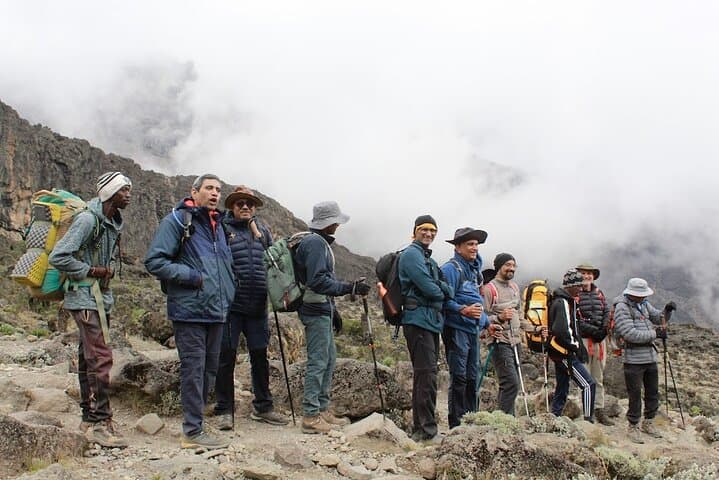
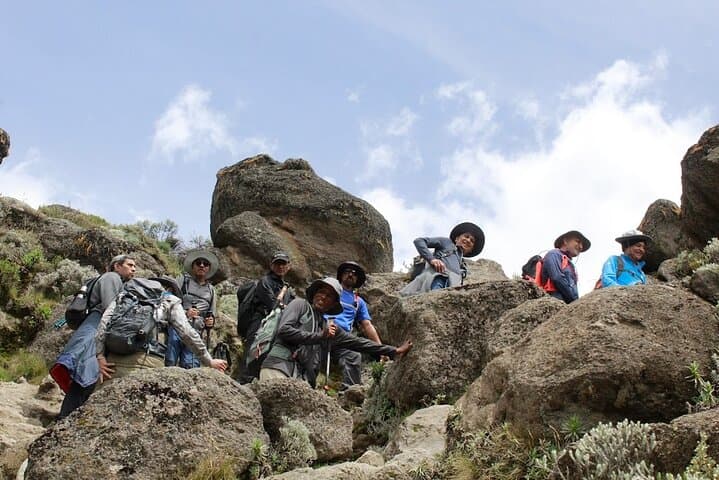
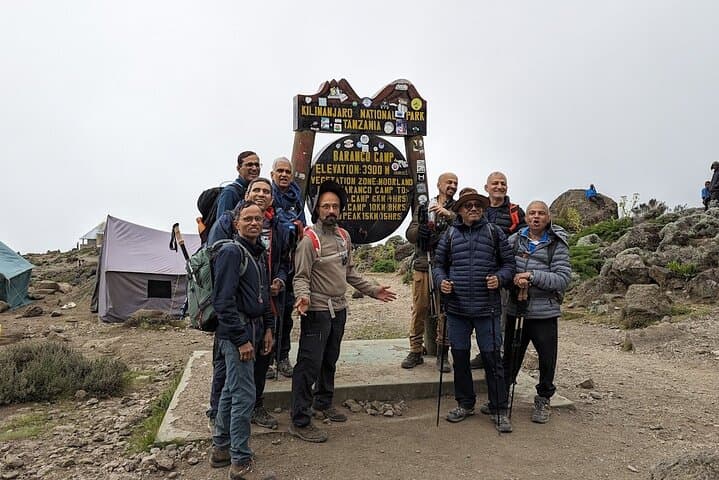
The headlamp dots ahead like a steady promise as the group files out of Kibo Hut into a clear, Arctic night. Wind bites at exposed faces while breath fogs in the thin air; the trail is a string of footprints that climb toward Gilman’s Point and the world’s highest sunrise. By the time the sun clears Mawenzi’s knife-edge, the plains of Tanzania open like a living map below — and the reason so many choose the Marangu Route becomes obvious: a route that moves from tropical rain forest to alpine desert in a single, memorable arc.
The headlamp dots ahead like a steady promise as the group files out of Kibo Hut into a clear, Arctic night. Wind bites at exposed faces while breath fogs in the thin air; the trail is a string of footprints that climb toward Gilman’s Point and the world’s highest sunrise. By the time the sun clears Mawenzi’s knife-edge, the plains of Tanzania open like a living map below — and the reason so many choose the Marangu Route becomes obvious: a route that moves from tropical rain forest to alpine desert in a single, memorable arc.
The Marangu Route is the oldest established path on Kilimanjaro, favored for its gradual gradients, hut accommodations, and direct line to Uhuru Peak. Geologically, climbers trace a volcanic history here: Kibo, Mawenzi and Shira are the three cones of a once-active massif whose ice cap sits atop porous volcanic rock. Culturally the trek threads through Chagga farmland and village life around Moshi — coffee terraces, banana groves and the steady rhythm of porter teams that make summit attempts possible.
On day one the trail rises through dense rain forest where blue monkeys and sunbirds move like punctuation. Above the treeline the heath and moorland open, and then the landscape thins into the saddle: a lunar desert of scree and volcanic gravel that tests ankles and patience. Summit night is the objective — a long, slow ascent from Kibo Hut, past Gilman’s Point, to Uhuru Peak. The descent to Horombo and then Marangu Gate undoes the altitude quickly, returning walkers to warm showers and stamped certificates.
Practical reality matters: the itinerary packs long days — expect 4–8 hours of hiking on approach days and a 10–14 hour summit push including ascent and descent time. Acclimatization is the single most important factor for success; the schedule includes nights at Mandara, Horombo and Kibo to increase your odds. Guides provide oxygen, pulse oximeters and a portable flushable toilet in camp, and porters carry heavy loads, but personal fitness and layered clothing are non‑negotiable.
Timing your trip around Tanzania’s seasons affects conditions: the long rains (March–May) make lower sections slippery; the clearer months (January–February, July–October) offer more reliable skies. Hydration, frequent short breaks, and steady pacing are the simplest tools against altitude. Respect the mountain — pack out waste, tip porters fairly, and prepare for extremes in a single day.
For hikers who want a classic summit experience with structured accommodation and a professional mountain team, the 5‑day Marangu Route delivers a direct, storied, and achievable path to the roof of Africa. With honest training, smart packing, and patience on the trail, the sunrise over Mawenzi will feel earned and unforgettable.