THE ADVENTURE COLLECTIVE® · Independent discovery and booking for outdoor travel

A five-day, hut-to-hut ascent of Mount Kilimanjaro via the Marangu ("Coca‑Cola") Route that climbs from rainforest to Uhuru Peak. Expect communal huts, steep scree on summit night and big altitude swings—ideal for first-time summit-seekers who want a direct, well-supported route.
A five-day, hut-to-hut ascent of Mount Kilimanjaro via the Marangu ("Coca‑Cola") Route that climbs from rainforest to Uhuru Peak. Expect communal huts, steep scree on summit night and big altitude swings—ideal for first-time summit-seekers who want a direct, well-supported route.
Mist clings to the lower slopes as the group files through emerald rainforest, boots sinking into leaf-mulch while the air carries the distant rumble of village life. Over five days the Marangu Route climbs from humid jungle to alpine moor and finally the stark, wind-scoured crater rim; at dawn you’ll watch the sun pry itself up over Gillman’s Point and then claim Uhuru Peak.
Verified experiences and guided adventures in the surrounding area.
Operated by BEST Kilimanjaro CLIMB | HIKE | BIKE TREK | Tanzania Safaris from Moshi & Arusha · Moshi, Kilimanjaro Region
Mist clings to the lower slopes as the group files through emerald rainforest, boots sinking into leaf-mulch while the air carries the distant rumble of village life. Over five days the Marangu Route climbs from humid jungle to alpine moor and finally the stark, wind-scoured crater rim; at dawn you’ll watch the sun pry itself up over Gillman’s Point and then claim Uhuru Peak.
This route—often called the ‘‘Coca‑Cola’’ path—was made a classic by its direct line, hut-to-hut system and long history as the first established trail on Kilimanjaro. Geologically, Kibo is a dormant stratovolcano whose ash slopes and volcanic scree give way to giant lobelias and endemic groundsels in the moorlands before opening onto the lunar saddle between Kibo and Mawenzi.
Culturally the climb threads through Chagga farmland and villages around Moshi, where a post-climb celebration usually includes local chapati and steaming cups of Tanzanian coffee. Look and listen for colobus monkeys in the forest and for the thin, dry gusts that begin to have a mind of their own above 4,000 m.
Practically: allow five days for acclimatization, pack layered insulation for the summit night, and expect steep scree on the final push—headlamps, poles and gaiters are essential. Hut accommodation removes the need for camping gear but brings communal sleeping and early wake‑ups. Move slowly, hydrate constantly, and follow your guides’ pace—pole pole—to give your body the best chance to summit and descend safely.
challenging.
5 days.
Good aerobic fitness with experience on multi‑day hikes; ability to hike 6–10 hours on summit day recommended
Marangu is one of the more direct, hut‑based routes and is considered easier technically, but altitude still makes it challenging—acclimatization is the primary determinant of success.
Huts provide basic mattresses and blankets, but bring a warm sleeping bag rated to -10°C for summit night comfort and hygiene.
No technical climbing skills are required; however prior multi‑day trekking experience and good cardiovascular fitness are strongly recommended.
Tipping is customary; many groups suggest a pooled amount per climber distributed among crew—ask your operator for current local guidance.
The Marangu trail was one of the earliest established routes to Kibo and helped open Kilimanjaro to organized trekking in the early 20th century.
Kilimanjaro National Park manages foot traffic and hut systems to reduce erosion; stick to trails and avoid single‑use plastics to limit impact.
BEST Kilimanjaro CLIMB | HIKE | BIKE TREK | Tanzania Safaris from Moshi & Arusha operates guided outdoor trips and adventures with an emphasis on safety, stewardship, and memorable experiences.
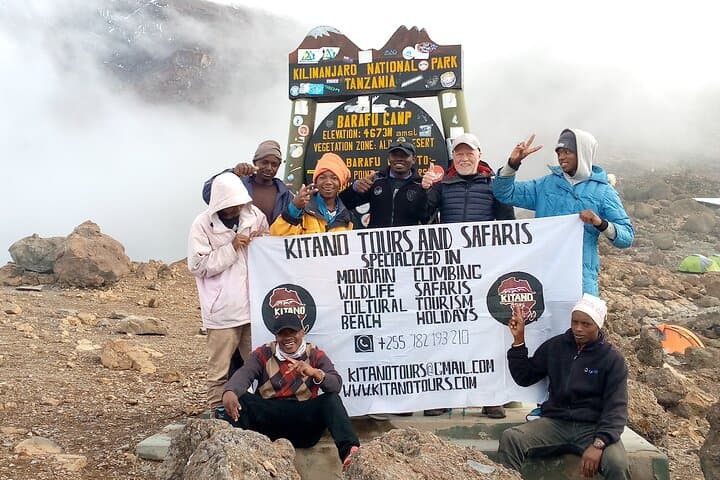
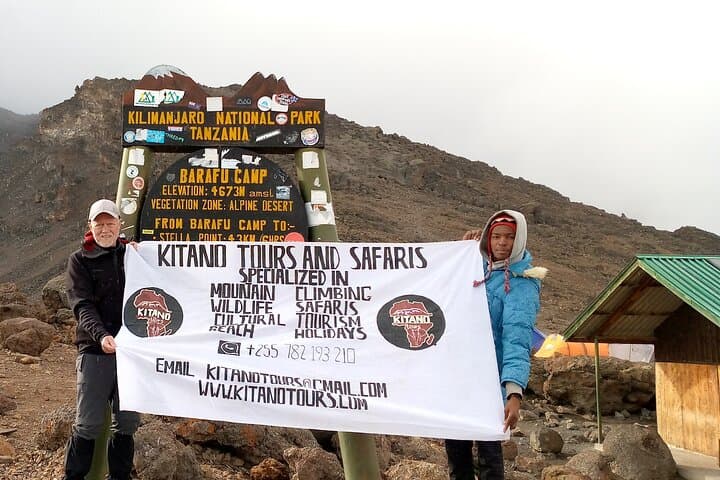
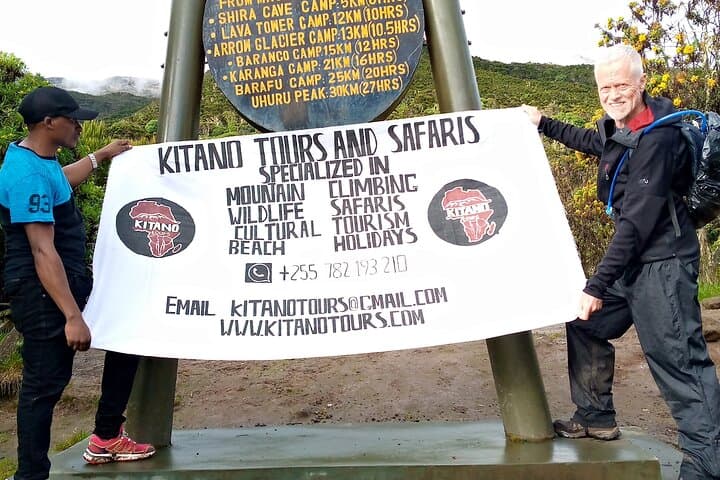
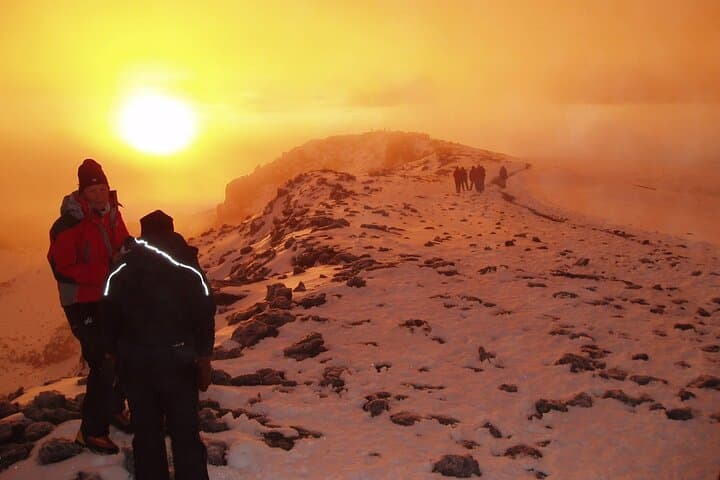
Mist clings to the lower slopes as the group files through emerald rainforest, boots sinking into leaf-mulch while the air carries the distant rumble of village life. Over five days the Marangu Route climbs from humid jungle to alpine moor and finally the stark, wind-scoured crater rim; at dawn you’ll watch the sun pry itself up over Gillman’s Point and then claim Uhuru Peak.
Mist clings to the lower slopes as the group files through emerald rainforest, boots sinking into leaf-mulch while the air carries the distant rumble of village life. Over five days the Marangu Route climbs from humid jungle to alpine moor and finally the stark, wind-scoured crater rim; at dawn you’ll watch the sun pry itself up over Gillman’s Point and then claim Uhuru Peak.
This route—often called the ‘‘Coca‑Cola’’ path—was made a classic by its direct line, hut-to-hut system and long history as the first established trail on Kilimanjaro. Geologically, Kibo is a dormant stratovolcano whose ash slopes and volcanic scree give way to giant lobelias and endemic groundsels in the moorlands before opening onto the lunar saddle between Kibo and Mawenzi.
Culturally the climb threads through Chagga farmland and villages around Moshi, where a post-climb celebration usually includes local chapati and steaming cups of Tanzanian coffee. Look and listen for colobus monkeys in the forest and for the thin, dry gusts that begin to have a mind of their own above 4,000 m.
Practically: allow five days for acclimatization, pack layered insulation for the summit night, and expect steep scree on the final push—headlamps, poles and gaiters are essential. Hut accommodation removes the need for camping gear but brings communal sleeping and early wake‑ups. Move slowly, hydrate constantly, and follow your guides’ pace—pole pole—to give your body the best chance to summit and descend safely.