THE ADVENTURE COLLECTIVE® · Independent discovery and booking for outdoor travel

Five days on the Marangu Route takes you hut-to-hut from rainforest to Uhuru Peak. This guided, group trek balances comfortable sleeping quarters with a challenging summit push—ideal for hikers who want a fast, supported Kilimanjaro experience.
Five days on the Marangu Route takes you hut-to-hut from rainforest to Uhuru Peak. This guided, group trek balances comfortable sleeping quarters with a challenging summit push—ideal for hikers who want a fast, supported Kilimanjaro experience.
A low, humid dawn clings to the rainforest as your group files through the Marangu Park gate—headlamps and porter lamps tracing a ribbon of light through dripping leaves. The trail moves up quickly from closed-canopy forest into open heath; giant lobelias watch like old sentries while the summit of Kibo occasionally peeks from a crown of cloud.
Verified experiences and guided adventures in the surrounding area.
Operated by African Trek & Travel l.t.d (moshi) · Moshi, Kilimanjaro
A low, humid dawn clings to the rainforest as your group files through the Marangu Park gate—headlamps and porter lamps tracing a ribbon of light through dripping leaves. The trail moves up quickly from closed-canopy forest into open heath; giant lobelias watch like old sentries while the summit of Kibo occasionally peeks from a crown of cloud.
Kilimanjaro is a dormant stratovolcano whose ice-scoured crater and remnant glaciers tell a story of geologic uplift and recent climate change. The Marangu Route carries cultural echoes too: it was the path long used by Chagga porters and guides, and the huts—uncommon on other routes—reflect a colonial-era push to make the mountain more accessible.
Expect four distinct ecological zones on this itinerary: montane forest, heathland, alpine desert, and the crater rim. Wildlife is mostly birds and primates at lower elevations; above 4,000 m the landscape becomes spare and wind-swept, with scree and volcanic ash underfoot. The summit push begins around midnight onto steep scree; pacing and controlled breathing are your best tools.
Practical guidance: hydrate often, carry layers for severe temperature swing, and use trekking poles and gaiters for scree and mud. Hut accommodations mean lighter camping kit, but sleeping bags rated to -10°C and a warm midlayer are necessary for summit night. Allow the itinerary’s acclimatization rhythm to guide your pace—rushing reduces summit odds. Finally, plan for unpredictable weather and respect park rules: leave no trace and follow guide instructions for safety.
challenging.
4–5 days.
Requires good cardiovascular fitness and the ability to hike 4–8 hours with elevation gain; prior multi-day trekking experience helps.
Yes—this route uses basic mountain huts with shared rooms and facilities, reducing the need to carry a full camping kit.
The Marangu Route is one of the faster routes; success depends on acclimatization, weather, and pacing—following guide instructions maximizes summit probability.
You need park permits and paid fees included by the operator; routine vaccines should be up to date and check Tanzania entry requirements before travel.
Acclimatize by keeping a conservative pace, staying hydrated, avoiding alcohol, and reporting symptoms early—guides can recommend medication or evacuation if needed.
The Chagga people have long used the lower slopes for cultivation and historically assisted early explorers and climbers; Marangu became one of the first organized tourist routes in the 20th century.
Kilimanjaro National Park enforces permit systems and campsite rules to limit erosion and litter; stick to trails and minimize campfire impacts to protect fragile alpine soils.
African Trek & Travel l.t.d (moshi) operates guided outdoor trips and adventures with an emphasis on safety, stewardship, and memorable experiences.
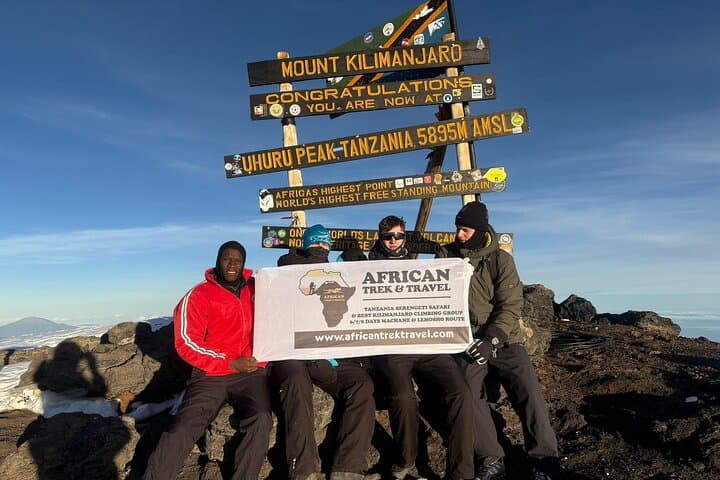
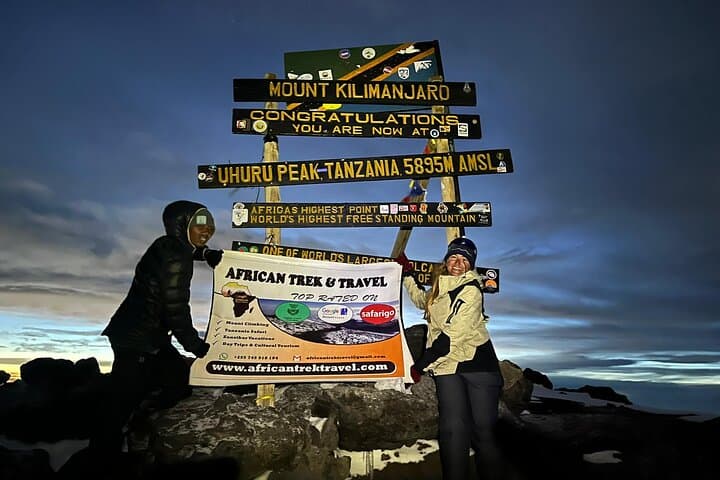
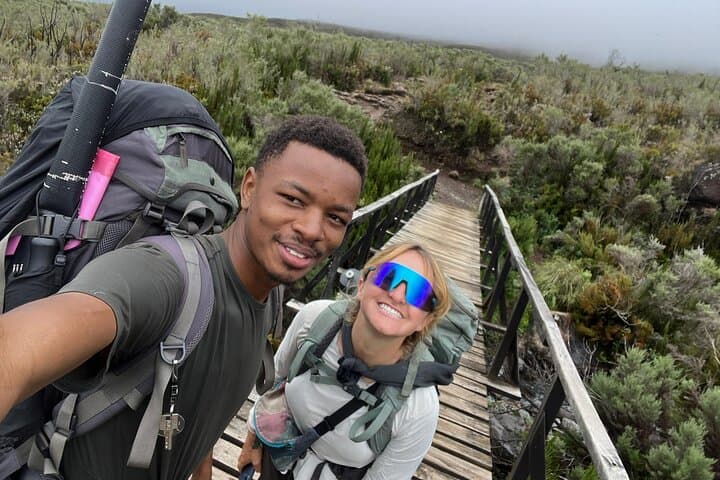
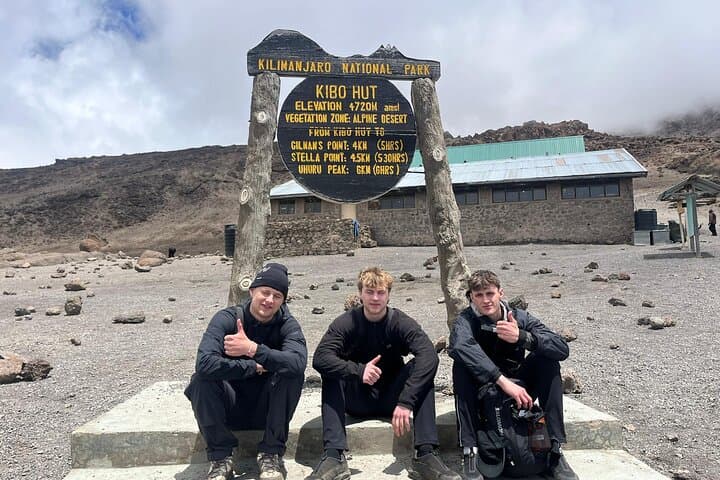
A low, humid dawn clings to the rainforest as your group files through the Marangu Park gate—headlamps and porter lamps tracing a ribbon of light through dripping leaves. The trail moves up quickly from closed-canopy forest into open heath; giant lobelias watch like old sentries while the summit of Kibo occasionally peeks from a crown of cloud.
A low, humid dawn clings to the rainforest as your group files through the Marangu Park gate—headlamps and porter lamps tracing a ribbon of light through dripping leaves. The trail moves up quickly from closed-canopy forest into open heath; giant lobelias watch like old sentries while the summit of Kibo occasionally peeks from a crown of cloud.
Kilimanjaro is a dormant stratovolcano whose ice-scoured crater and remnant glaciers tell a story of geologic uplift and recent climate change. The Marangu Route carries cultural echoes too: it was the path long used by Chagga porters and guides, and the huts—uncommon on other routes—reflect a colonial-era push to make the mountain more accessible.
Expect four distinct ecological zones on this itinerary: montane forest, heathland, alpine desert, and the crater rim. Wildlife is mostly birds and primates at lower elevations; above 4,000 m the landscape becomes spare and wind-swept, with scree and volcanic ash underfoot. The summit push begins around midnight onto steep scree; pacing and controlled breathing are your best tools.
Practical guidance: hydrate often, carry layers for severe temperature swing, and use trekking poles and gaiters for scree and mud. Hut accommodations mean lighter camping kit, but sleeping bags rated to -10°C and a warm midlayer are necessary for summit night. Allow the itinerary’s acclimatization rhythm to guide your pace—rushing reduces summit odds. Finally, plan for unpredictable weather and respect park rules: leave no trace and follow guide instructions for safety.