THE ADVENTURE COLLECTIVE® · Independent discovery and booking for outdoor travel

Follow the Marangu Route’s hut-lined path from Moshi to Uhuru Peak over five disciplined days. This practical guide covers terrain, cultural context and the on-the-ground essentials to reach Kilimanjaro’s summit.
Follow the Marangu Route’s hut-lined path from Moshi to Uhuru Peak over five disciplined days. This practical guide covers terrain, cultural context and the on-the-ground essentials to reach Kilimanjaro’s summit.
Night air on Kilimanjaro is thin and honest; the headlamp cone cuts through a world of black volcanic sand as guides pick a steady, patient pace toward Kibo Hut. By day the route trades that stark, lunar field for swaths of moorland and stands of giant lobelia, each step moving you higher into a changing mountain climate.
Verified experiences and guided adventures in the surrounding area.
Operated by Experience Zanzibar Tours & Safaris · Moshi, Kilimanjaro Region
Night air on Kilimanjaro is thin and honest; the headlamp cone cuts through a world of black volcanic sand as guides pick a steady, patient pace toward Kibo Hut. By day the route trades that stark, lunar field for swaths of moorland and stands of giant lobelia, each step moving you higher into a changing mountain climate.
The Marangu Route—often called the "Coca-Cola" route—is the island of huts option: the only main trail with communal sleeping huts at Mandara, Horombo and Kibo. Historically the eastern approach has long served porters and local communities of the Chagga people, who farm the lower slopes and read the weather on the mountain’s flank. Geologically Kilimanjaro is a dormant stratovolcano made of three cones (Kibo, Mawenzi and Shira); the summit push crosses eroded volcanic saddle and loose scree that favors careful footwork.
Culturally, villages around Moshi offer banana beer and coffee ceremonies, while guides share oral histories about colonial-era climbs and conservation efforts in the national park.
Practical guidance: expect large daily elevation gains and long summit-night hours—pace conservatively, drink often, and prioritize sleep in the huts. Good broken-in boots, layered insulation and a headlamp are non-negotiable. Hiking poles reduce knee strain on descent; a lightweight daypack and water-treatment plan keep you moving without excess weight.
This itinerary is achievable for fit walkers who respect altitude and follow acclimatization advice; when the summit light arrives, the reward is a raw, wide panorama that only hours ago looked impossible.
challenging.
5 days.
Suitable for hikers with good aerobic fitness and prior multi-day trekking experience; ability to handle repeated days of uphill walking and long summit-night efforts.
Marangu is one of the shorter, more direct routes with hut accommodation, making logistics easier; however the summit remains physically demanding and altitude risk is similar to other routes.
No technical climbing skills are required, but prior multi-day trekking experience and good cardiovascular fitness are strongly recommended.
The clearest windows are the dry months (roughly late June–October and January–February); the long rains (March–May) make trails muddy and summit nights more challenging.
Acclimatize by following the itinerary's gradual ascent profile, stay hydrated, avoid alcohol, and communicate symptoms to guides—descent is the primary treatment for serious illness.
Kilimanjaro has been a cultural landmark for local Chagga communities for centuries and later became a symbol for European exploration in the 19th century; Marangu developed as the first formalized tourist ascent route with hut infrastructure.
Mount Kilimanjaro National Park manages visitor numbers and enforces stick-carrying limits for porters; minimize impact by staying on trail, packing out waste and using local guides who support reforestation projects.
Experience Zanzibar Tours & Safaris operates guided outdoor trips and adventures with an emphasis on safety, stewardship, and memorable experiences.

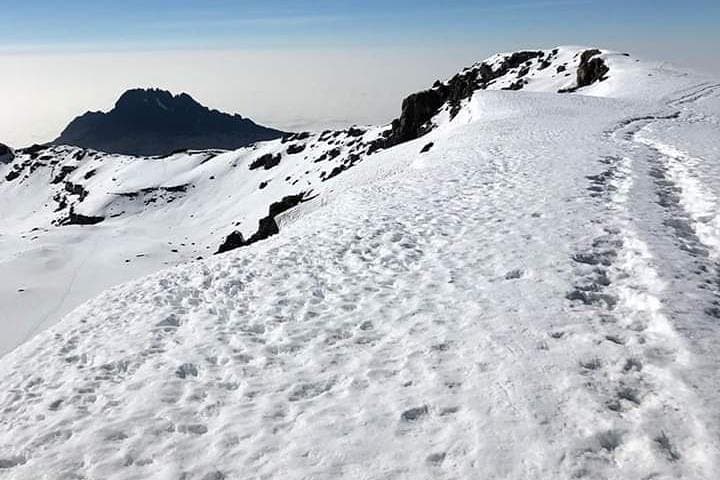


Night air on Kilimanjaro is thin and honest; the headlamp cone cuts through a world of black volcanic sand as guides pick a steady, patient pace toward Kibo Hut. By day the route trades that stark, lunar field for swaths of moorland and stands of giant lobelia, each step moving you higher into a changing mountain climate.
Night air on Kilimanjaro is thin and honest; the headlamp cone cuts through a world of black volcanic sand as guides pick a steady, patient pace toward Kibo Hut. By day the route trades that stark, lunar field for swaths of moorland and stands of giant lobelia, each step moving you higher into a changing mountain climate.
The Marangu Route—often called the "Coca-Cola" route—is the island of huts option: the only main trail with communal sleeping huts at Mandara, Horombo and Kibo. Historically the eastern approach has long served porters and local communities of the Chagga people, who farm the lower slopes and read the weather on the mountain’s flank. Geologically Kilimanjaro is a dormant stratovolcano made of three cones (Kibo, Mawenzi and Shira); the summit push crosses eroded volcanic saddle and loose scree that favors careful footwork.
Culturally, villages around Moshi offer banana beer and coffee ceremonies, while guides share oral histories about colonial-era climbs and conservation efforts in the national park.
Practical guidance: expect large daily elevation gains and long summit-night hours—pace conservatively, drink often, and prioritize sleep in the huts. Good broken-in boots, layered insulation and a headlamp are non-negotiable. Hiking poles reduce knee strain on descent; a lightweight daypack and water-treatment plan keep you moving without excess weight.
This itinerary is achievable for fit walkers who respect altitude and follow acclimatization advice; when the summit light arrives, the reward is a raw, wide panorama that only hours ago looked impossible.