THE ADVENTURE COLLECTIVE® · Independent discovery and booking for outdoor travel

Descend from Cusco’s high Andes into Manu’s humid heart on a five‑day expedition that mixes cloud‑forest viewpoints, clay‑lick bird spectacles, nocturnal wildlife walks and a night in the primary forest. Expect long drives, early starts and an immersive wildlife focus led by local guides.
Descend from Cusco’s high Andes into Manu’s humid heart on a five‑day expedition that mixes cloud‑forest viewpoints, clay‑lick bird spectacles, nocturnal wildlife walks and a night in the primary forest. Expect long drives, early starts and an immersive wildlife focus led by local guides.
The morning starts before dawn on a high Andean road. Headlights cut through the cold air of Cusco as the bus climbs to Acjanaco; by sunrise the Andes open and the first trees of the cloud forest push forward like a living curtain. Descending steeply from puna grasslands into humid green, the landscape literally shifts beneath you — mountains give way to emergent canopy and the riverways that dare you deeper into Manu.
Verified experiences and guided adventures in the surrounding area.
Operated by Jungle Adventures Peru · Cusco, Cusco Region
The morning starts before dawn on a high Andean road. Headlights cut through the cold air of Cusco as the bus climbs to Acjanaco; by sunrise the Andes open and the first trees of the cloud forest push forward like a living curtain. Descending steeply from puna grasslands into humid green, the landscape literally shifts beneath you — mountains give way to emergent canopy and the riverways that dare you deeper into Manu.
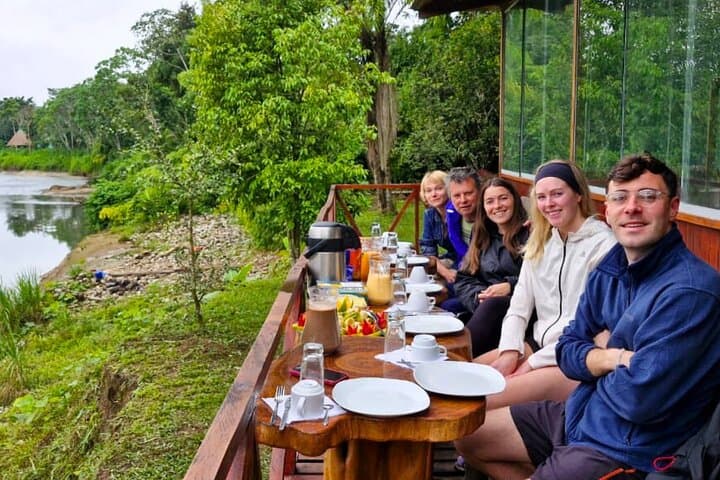
Manu National Park spans Andean páramo to lowland Amazon and was designated a national park in 1973; its valleys and oxbow lakes hold ecological gradients shaped by uplifted Andes and ancient river meanders. Local communities — Yine and Ese Eja among them — maintain traditional knowledge, visible in culinary demonstrations and simple camp craft offered at the Treehouse Inn and river camps.
Over five days expect long transit days (Cusco to Atalaya is the major overland stretch), early starts for clay-lick viewings, 1–3 hour guided jungle walks, and a night camp in primary forest near Rio Negro. Terrain varies from steep, rocky cloud-forest tracks to muddier lowland trails and riverbanks; elevation drops by roughly 2,500–3,000 meters between start and lowland sectors.
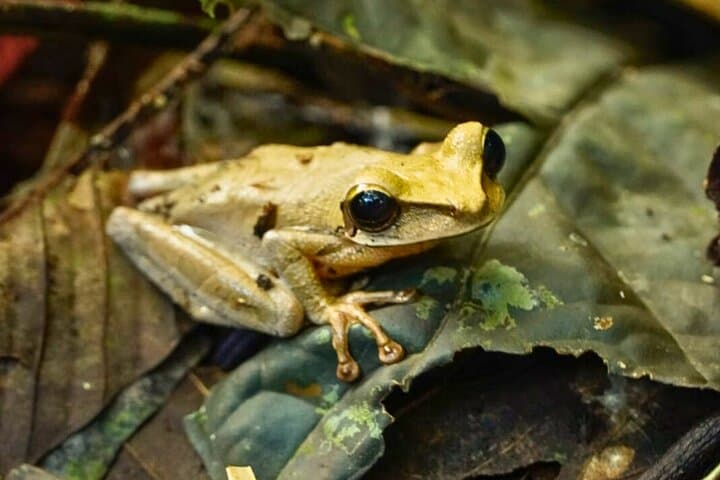
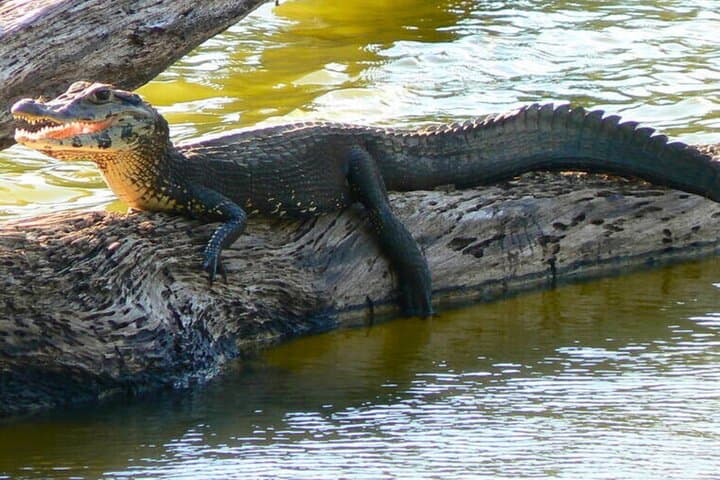
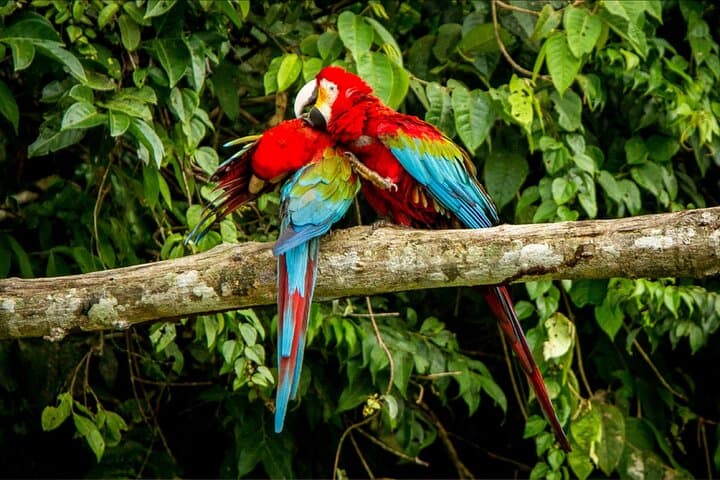
Practical guidance: acclimatize in Cusco for 24–48 hours, bring a reliable rain shell and insect protection, and pack light for boat and foot transfers. Early mornings (5:00 a.m.) are prime for macaws at clay licks; nights are for caimans and frogs — bring a headlamp and patience. Guides manage navigation, permits, and conservation rules; follow their lead and leave only footprints.
moderate.
5 days.
Moderate fitness: able to walk 2–4 hours on uneven jungle trails and tolerate long vehicle transfers; not technically demanding.
Consult a travel clinic: yellow fever vaccination is often recommended for Amazon travel; ensure routine vaccines are up to date and discuss malaria prophylaxis with your doctor.
Walks are generally gentle to moderate (1–3 hours) over uneven and sometimes muddy terrain; guides set the pace and can shorten routes for less able participants.
Manu hosts tapirs and jaguars, but sightings of large mammals are rare; you have higher chances for birds (macaws, harpy eagle), caimans, sloths and otters with patience and early starts.
Yes — you start in high‑altitude Cusco (~3,400 m) but descend quickly to lowland Amazon; acclimatizing in Cusco before departure reduces risk of altitude illness.
Manu National Park, created in 1973, protects an elevational corridor from Andes to Amazon; the area has long been inhabited and managed by indigenous groups who retain ecological knowledge used by guides today.
Access to Manu is regulated to protect sensitive habitats and clay‑licks; follow guide instructions, pack out waste, and avoid bringing single‑use plastics to minimize impact.
Jungle Adventures Peru operates guided outdoor trips and adventures with an emphasis on safety, stewardship, and memorable experiences.
The morning starts before dawn on a high Andean road. Headlights cut through the cold air of Cusco as the bus climbs to Acjanaco; by sunrise the Andes open and the first trees of the cloud forest push forward like a living curtain. Descending steeply from puna grasslands into humid green, the landscape literally shifts beneath you — mountains give way to emergent canopy and the riverways that dare you deeper into Manu.
The morning starts before dawn on a high Andean road. Headlights cut through the cold air of Cusco as the bus climbs to Acjanaco; by sunrise the Andes open and the first trees of the cloud forest push forward like a living curtain. Descending steeply from puna grasslands into humid green, the landscape literally shifts beneath you — mountains give way to emergent canopy and the riverways that dare you deeper into Manu.
Manu National Park spans Andean páramo to lowland Amazon and was designated a national park in 1973; its valleys and oxbow lakes hold ecological gradients shaped by uplifted Andes and ancient river meanders. Local communities — Yine and Ese Eja among them — maintain traditional knowledge, visible in culinary demonstrations and simple camp craft offered at the Treehouse Inn and river camps.
Over five days expect long transit days (Cusco to Atalaya is the major overland stretch), early starts for clay-lick viewings, 1–3 hour guided jungle walks, and a night camp in primary forest near Rio Negro. Terrain varies from steep, rocky cloud-forest tracks to muddier lowland trails and riverbanks; elevation drops by roughly 2,500–3,000 meters between start and lowland sectors.
Practical guidance: acclimatize in Cusco for 24–48 hours, bring a reliable rain shell and insect protection, and pack light for boat and foot transfers. Early mornings (5:00 a.m.) are prime for macaws at clay licks; nights are for caimans and frogs — bring a headlamp and patience. Guides manage navigation, permits, and conservation rules; follow their lead and leave only footprints.