
5-Day Machu Picchu, Sacred Valley & Mountain of Colors Adventure
A compact five-day circuit from Cusco that pairs classic Inca sites with the striped slopes of Rainbow Mountain. Expect high-elevation walking, a train to Aguas Calientes, and guided visits to Machu Picchu and the Sacred Valley.
An Adventure In Cusco.
A compact five-day circuit from Cusco that pairs classic Inca sites with the striped slopes of Rainbow Mountain. Expect high-elevation walking, a train to Aguas Calientes, and guided visits to Machu Picchu and the Sacred Valley.
Read the full experience
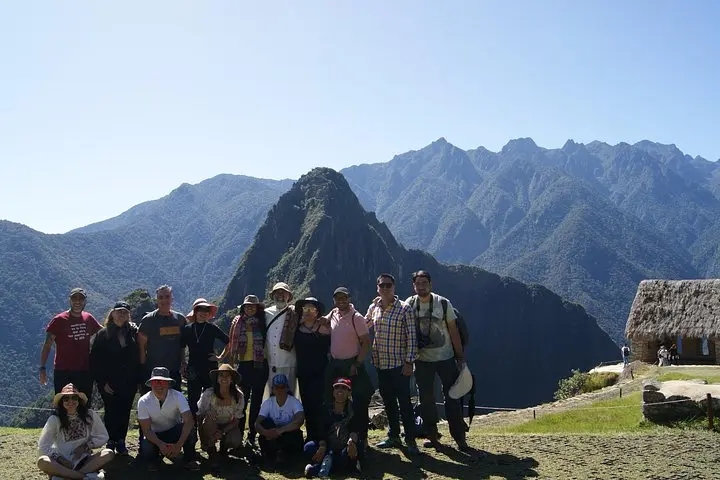
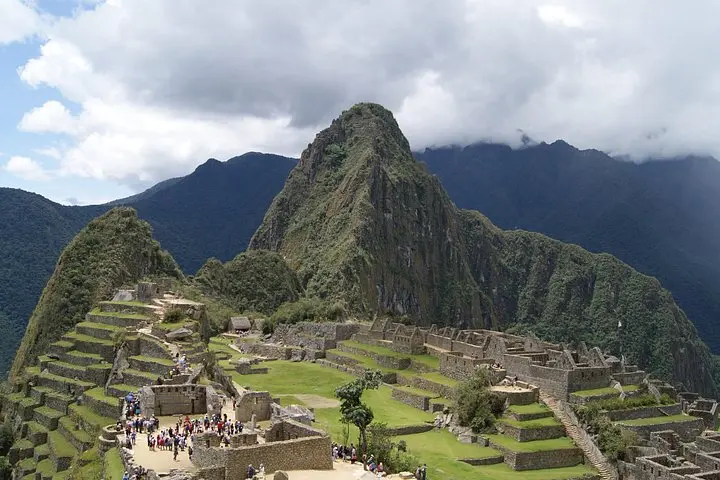
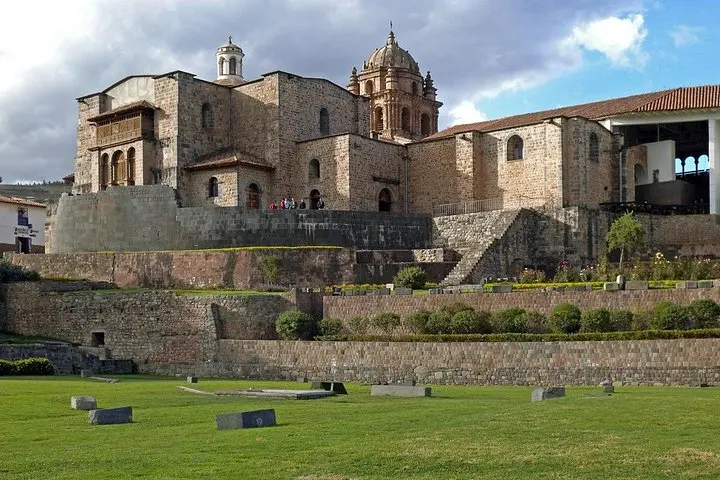
You step out into Cusco's thin air before dawn — the city still guards its Inca stones while minibuses hum toward the high valleys. On this five-day loop, the Andes unfold like chapters: colonial Cusco and the Temple of the Sun, the engineered terraces of Moray, salt pans that glitter at Maras, the train ride that skirts cloud forest, and the citadel of Machu Picchu waiting above the river.
You step out into Cusco's thin air before dawn — the city still guards its Inca stones while minibuses hum toward the high valleys. On this five-day loop, the Andes unfold like chapters: colonial Cusco and the Temple of the Sun, the engineered terraces of Moray, salt pans that glitter at Maras, the train ride that skirts cloud forest, and the citadel of Machu Picchu waiting above the river.
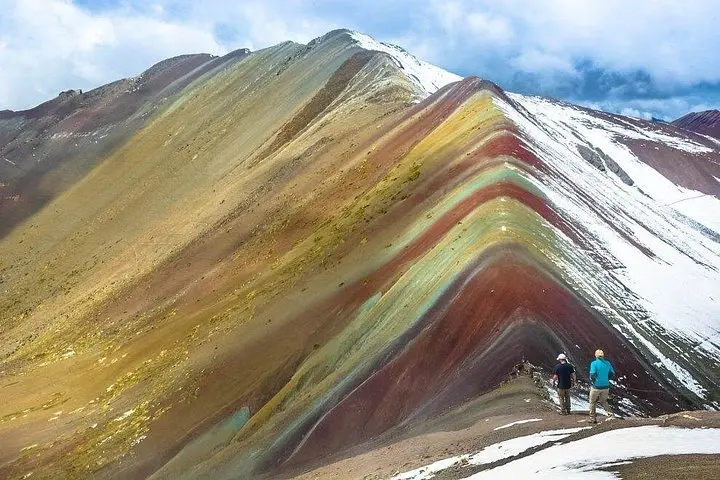
These places carry layers of history. The Incas sculpted terraces and water channels that leveraged microclimates, while colonial churches and plazas later re-wrote urban life in Cusco. Geology explains the Mountain of Colors: iron- and copper-rich sediments, oxidized clays and glacial erosions create the banded hues that seem to breathe when sunlight moves.
Culture is present in everyday details — weavers in Chinchero, local markets, and the slow rhythm of Andean meals. The Sacred Valley was an agricultural backbone for the empire; walking Ollantaytambo is like following the route of ancient control and pilgrimage.
Practical guidance: plan for altitude — even easy walks feel harder above 3,000 m. Acclimatize with a relaxed first day and drink water steadily; carry layers for strong sun and sudden rain. The Rainbow Mountain trek is a steep 1–2 hour ascent from the high camp; take poles, move deliberately, and allow time for photos at the summit. Book train and Machu Picchu tickets in advance, travel light to Aguas Calientes, and respect site rules: stay on paths and leave no trace. With modest fitness, proper pacing, and good gear, this itinerary delivers iconic archaeology, highland landscapes, and vivid mountain color all in one focused adventure.
Frequently asked questions
You don’t need technical experience, but you should be comfortable walking several hours at altitude; the Rainbow Mountain walk is steep and may require short breaks.
This tour includes round-trip train to Machu Picchu, site admissions and stated meals—confirm your booking voucher for exact inclusions.
Acclimatize in Cusco, hydrate, eat light, avoid alcohol the first 24 hours, and consider acetazolamide only after consulting a healthcare provider.
May–September (dry season) offers the most stable weather and clear views, but expect larger crowds; shoulder seasons balance weather and fewer travelers.
About This Experience
Suyos Adventure operates guided outdoor trips and adventures with an emphasis on safety, stewardship, and memorable experiences.
Adventure tips
Recommended gear
- Sturdy hiking shoes: Support and traction on rocky Inca trails and wet steps in the cloud forest.
- Light waterproof jacket: Protects against sudden rainstorms common in the Andes, especially in the wet season.
- Sun protection (hat, SPF 50, sunglasses): High-altitude sun is intense; skin and eyes need strong protection even on cool days.
- Trekking poles: Help with balance and reduce strain on knees during steep ascents and descents, especially on Rainbow Mountain.
Photos of the experience
Related adventures & guides
Read the full experience
You step out into Cusco's thin air before dawn — the city still guards its Inca stones while minibuses hum toward the high valleys. On this five-day loop, the Andes unfold like chapters: colonial Cusco and the Temple of the Sun, the engineered terraces of Moray, salt pans that glitter at Maras, the train ride that skirts cloud forest, and the citadel of Machu Picchu waiting above the river.
You step out into Cusco's thin air before dawn — the city still guards its Inca stones while minibuses hum toward the high valleys. On this five-day loop, the Andes unfold like chapters: colonial Cusco and the Temple of the Sun, the engineered terraces of Moray, salt pans that glitter at Maras, the train ride that skirts cloud forest, and the citadel of Machu Picchu waiting above the river.
These places carry layers of history. The Incas sculpted terraces and water channels that leveraged microclimates, while colonial churches and plazas later re-wrote urban life in Cusco. Geology explains the Mountain of Colors: iron- and copper-rich sediments, oxidized clays and glacial erosions create the banded hues that seem to breathe when sunlight moves.
Culture is present in everyday details — weavers in Chinchero, local markets, and the slow rhythm of Andean meals. The Sacred Valley was an agricultural backbone for the empire; walking Ollantaytambo is like following the route of ancient control and pilgrimage.
Practical guidance: plan for altitude — even easy walks feel harder above 3,000 m. Acclimatize with a relaxed first day and drink water steadily; carry layers for strong sun and sudden rain. The Rainbow Mountain trek is a steep 1–2 hour ascent from the high camp; take poles, move deliberately, and allow time for photos at the summit. Book train and Machu Picchu tickets in advance, travel light to Aguas Calientes, and respect site rules: stay on paths and leave no trace. With modest fitness, proper pacing, and good gear, this itinerary delivers iconic archaeology, highland landscapes, and vivid mountain color all in one focused adventure.
Make a day of it nearby.
Verified experiences and guided adventures in the surrounding area.