THE ADVENTURE COLLECTIVE® · Independent discovery and booking for outdoor travel

Five days across the Sacred Valley, Machu Picchu and Rainbow Mountain — an all‑inclusive Cusco tour that pairs Inca archaeology with high‑altitude trekking and scenic train rides. Ideal for travelers who want guided logistics and concentrated cultural immersion.
Five days across the Sacred Valley, Machu Picchu and Rainbow Mountain — an all‑inclusive Cusco tour that pairs Inca archaeology with high‑altitude trekking and scenic train rides. Ideal for travelers who want guided logistics and concentrated cultural immersion.
At dawn in Cusco the air bites with altitude and the old stones seem to hold their own breath — you meet your guide and the city slips behind as the road drops into the Sacred Valley, where terraces and rivers carve the Andes into habit and history.
Verified experiences and guided adventures in the surrounding area.
Operated by Inca Town Travel · Cusco, Cusco
At dawn in Cusco the air bites with altitude and the old stones seem to hold their own breath — you meet your guide and the city slips behind as the road drops into the Sacred Valley, where terraces and rivers carve the Andes into habit and history.
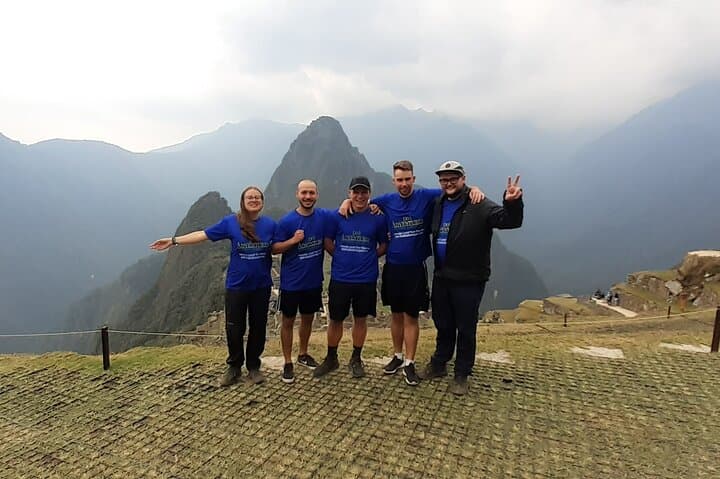
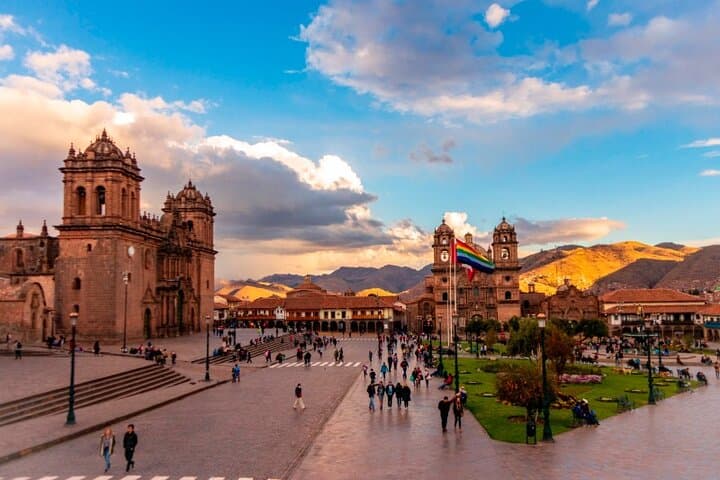
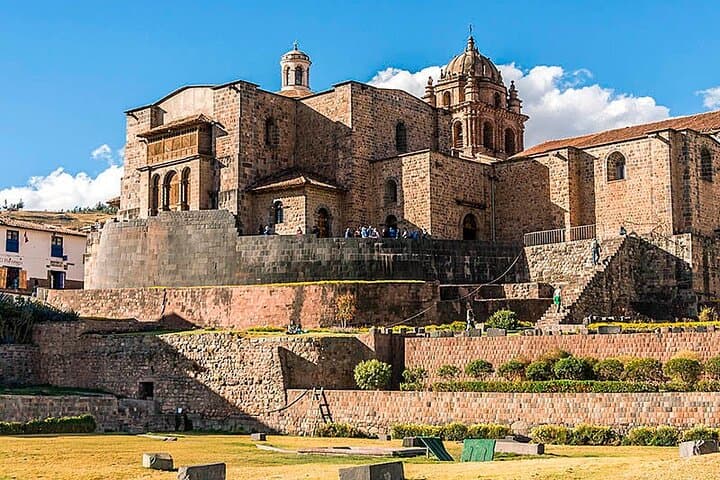
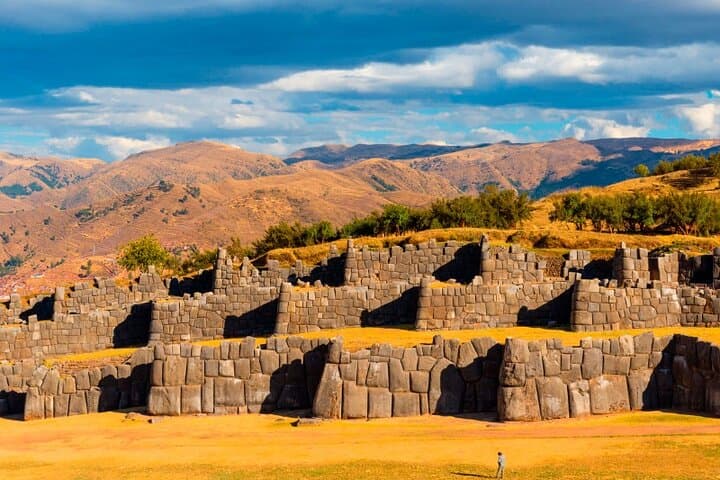
This five-day loop combines Cusco’s colonial streets and Inca foundations with the agricultural experiments at Moray (3,450 m), the salt pools of Maras (≈3,200 m), the living ruin of Ollantaytambo and the world-famous citadel of Machu Picchu (≈2,430 m). Geologically the region is uplifted Andean granite and volcanic deposits shaped by glaciation; culturally it’s Quechua country, where textile traditions and high‑alt farming persist.
Expect a mix of paved town walks, dirt roads and moderate-to-steep singletrack — Rainbow Mountain (Vinicunca) tops out above 5,000 m and demands a steady pace on loose scree and high, thin air. Trains run 90 minutes from Ollantaytambo to Aguas Calientes, then a 30-minute shuttle to the Machu Picchu gate; the on‑site tour is typically 2–3 hours.
Practical edge: acclimatize in Cusco (3,400 m) for 24–48 hours if possible, hydrate consistently, and plan early‑entry tickets for better light and fewer crowds. Bring layered clothing for sharp diurnal swings, flexible footwear for cobbles and muddy trails, and photocopies of passport/entrance tickets. Book the expedition train early and travel with a guide for logistics, altitude awareness and the clearest access to archaeological contexts.
challenging.
5 days.
Good cardiovascular fitness recommended; able to handle consecutive days of walking at altitude and occasional steep sections
Yes—participants should have moderate to good fitness and be comfortable walking for several hours at altitude; acclimatization reduces risk of altitude sickness.
This package includes the expedition train round trip, Machu Picchu entrance fees and other site admissions as listed in the inclusions.
Cusco is about 3,400 m; Sacred Valley sites range 2,800–3,760 m; Machu Picchu sits near 2,430 m; Vinicunca exceeds 5,000 m.
Infant seats are available but travelers should consult the operator for age restrictions and the physical demands of high‑altitude days.
Cusco was the capital of the Inca Empire; the Sacred Valley hosted agricultural innovation like the Moray terraces and saltworks at Maras pre‑dating the Spanish era.
High visitor numbers stress fragile high‑altitude ecosystems—stay on trails, avoid single‑use plastics and support local artisan groups to fund conservation.
Inca Town Travel operates guided outdoor trips and adventures with an emphasis on safety, stewardship, and memorable experiences.
At dawn in Cusco the air bites with altitude and the old stones seem to hold their own breath — you meet your guide and the city slips behind as the road drops into the Sacred Valley, where terraces and rivers carve the Andes into habit and history.
At dawn in Cusco the air bites with altitude and the old stones seem to hold their own breath — you meet your guide and the city slips behind as the road drops into the Sacred Valley, where terraces and rivers carve the Andes into habit and history.
This five-day loop combines Cusco’s colonial streets and Inca foundations with the agricultural experiments at Moray (3,450 m), the salt pools of Maras (≈3,200 m), the living ruin of Ollantaytambo and the world-famous citadel of Machu Picchu (≈2,430 m). Geologically the region is uplifted Andean granite and volcanic deposits shaped by glaciation; culturally it’s Quechua country, where textile traditions and high‑alt farming persist.
Expect a mix of paved town walks, dirt roads and moderate-to-steep singletrack — Rainbow Mountain (Vinicunca) tops out above 5,000 m and demands a steady pace on loose scree and high, thin air. Trains run 90 minutes from Ollantaytambo to Aguas Calientes, then a 30-minute shuttle to the Machu Picchu gate; the on‑site tour is typically 2–3 hours.
Practical edge: acclimatize in Cusco (3,400 m) for 24–48 hours if possible, hydrate consistently, and plan early‑entry tickets for better light and fewer crowds. Bring layered clothing for sharp diurnal swings, flexible footwear for cobbles and muddy trails, and photocopies of passport/entrance tickets. Book the expedition train early and travel with a guide for logistics, altitude awareness and the clearest access to archaeological contexts.