THE ADVENTURE COLLECTIVE® · Independent discovery and booking for outdoor travel

This five-day Cusco itinerary combines the Sacred Valley, Rainbow Mountain and Machu Picchu with train travel and guided visits. Expect high‑altitude walks, historic Inca sites and practical inclusions like transport, entry fees and hotels.
This five-day Cusco itinerary combines the Sacred Valley, Rainbow Mountain and Machu Picchu with train travel and guided visits. Expect high‑altitude walks, historic Inca sites and practical inclusions like transport, entry fees and hotels.
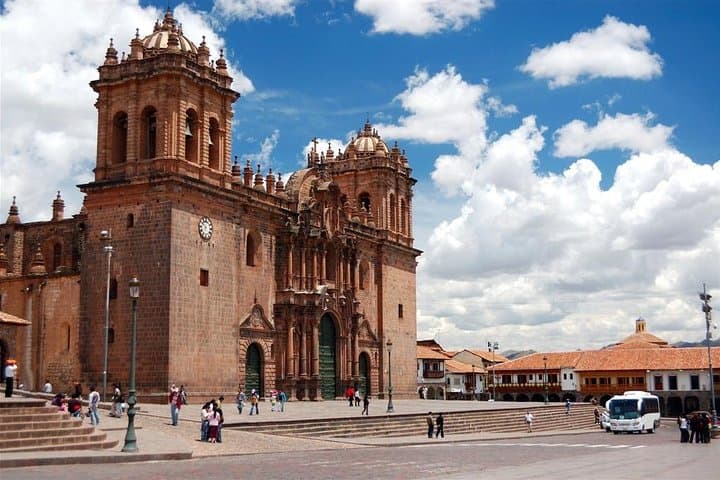
You step out of a Cusco hotel before dawn and the air bites with altitude; the city’s stone streets still hold smoke from early market fires as your van threads toward the Sacred Valley. Over the next five days the landscape will change like pages: terraced fields and Inca walls give way to serrated ridgelines, then to the green amphitheatre that hides Machu Picchu. Rivers push the valley floor forward; high plateaus dare you to move slower and breathe deeper.
Verified experiences and guided adventures in the surrounding area.
Operated by Peru Like · Cusco, Cusco
You step out of a Cusco hotel before dawn and the air bites with altitude; the city’s stone streets still hold smoke from early market fires as your van threads toward the Sacred Valley. Over the next five days the landscape will change like pages: terraced fields and Inca walls give way to serrated ridgelines, then to the green amphitheatre that hides Machu Picchu. Rivers push the valley floor forward; high plateaus dare you to move slower and breathe deeper.
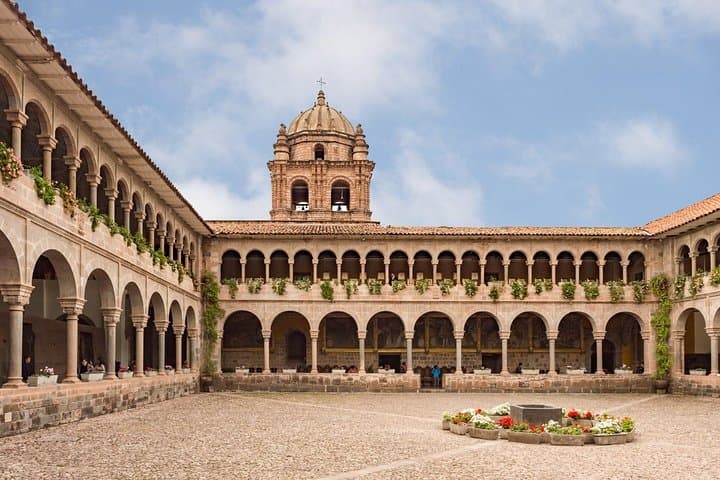
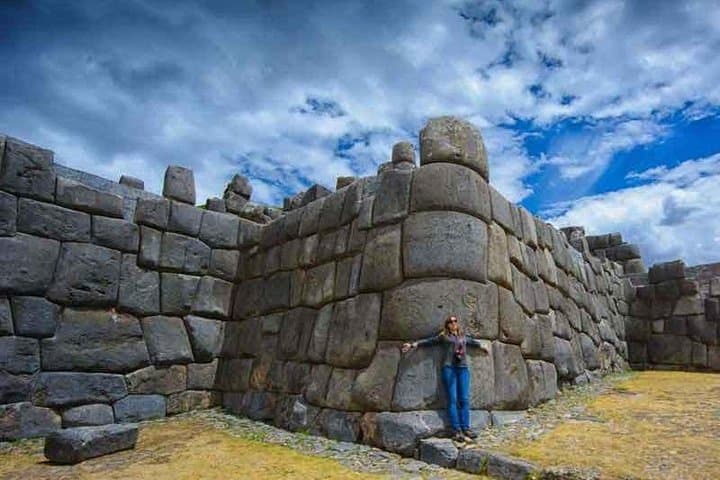
The itinerary traces the Inca world: Qoricancha’s gold-sheen foundations, Sacsayhuaman’s impossibly fitted megaliths, the agricultural logic of Pisaq and Ollantaytambo, and the ceremonial terraces at Winicunca (Rainbow Mountain). Geologically, the Sacred Valley is an uplifted Andean trench carved by the Vilcanota River; Rainbow Mountain’s stripes are oxidized minerals exposed by glacial erosion. Culturally, local Quechua communities maintain traditional weaving and farming practices—expect roadside markets and altitudinal crops that shaped Inca society.
Practical guidance: acclimatize the first day, avoid heavy meals before hikes, and carry water and layers. Rainbow Mountain is a 3–4 hour round trip at high altitude with uneven tundra underfoot; Machu Picchu involves early buses and 2–3 hours of interpretive walking plus optional steeper sidetracks. The tour includes mid-range hotels, train tickets, entrance fees, and a guide—but bring cash for tips, snacks, and small market purchases. Footwear should be sturdy and broken-in; expect afternoon rain between November and March and cold nights year-round. Move deliberately, hydrate often, and let altitude set your pace—the mountains will wait.
moderate.
5 days.
Moderate fitness recommended—able to walk 3–5 hours at altitude; prior acclimatization helps.
Yes—the tour includes Machu Picchu entrance tickets and guided visits as listed in the itinerary.
Trail is moderate but at high altitude; expect 1.5–2 hours uphill with thin air—pace yourself and use walking poles if provided.
Bring your passport (original) for entrance to Machu Picchu and for train boarding; copies are not accepted for admission.
The tour includes breakfast each day and three lunches, with buffet-style meals in the Sacred Valley and lunch in Aguas Calientes on Machu Picchu day.
This route follows core Inca administrative and agricultural centers; many stoneworks date to Pachacuti’s 15th‑century expansion of the empire.
High-traffic sites like Machu Picchu and Rainbow Mountain are ecologically fragile—stick to paths, avoid single-use plastics, and respect local land-use rules.
Peru Like operates guided outdoor trips and adventures with an emphasis on safety, stewardship, and memorable experiences.
You step out of a Cusco hotel before dawn and the air bites with altitude; the city’s stone streets still hold smoke from early market fires as your van threads toward the Sacred Valley. Over the next five days the landscape will change like pages: terraced fields and Inca walls give way to serrated ridgelines, then to the green amphitheatre that hides Machu Picchu. Rivers push the valley floor forward; high plateaus dare you to move slower and breathe deeper.
You step out of a Cusco hotel before dawn and the air bites with altitude; the city’s stone streets still hold smoke from early market fires as your van threads toward the Sacred Valley. Over the next five days the landscape will change like pages: terraced fields and Inca walls give way to serrated ridgelines, then to the green amphitheatre that hides Machu Picchu. Rivers push the valley floor forward; high plateaus dare you to move slower and breathe deeper.
The itinerary traces the Inca world: Qoricancha’s gold-sheen foundations, Sacsayhuaman’s impossibly fitted megaliths, the agricultural logic of Pisaq and Ollantaytambo, and the ceremonial terraces at Winicunca (Rainbow Mountain). Geologically, the Sacred Valley is an uplifted Andean trench carved by the Vilcanota River; Rainbow Mountain’s stripes are oxidized minerals exposed by glacial erosion. Culturally, local Quechua communities maintain traditional weaving and farming practices—expect roadside markets and altitudinal crops that shaped Inca society.
Practical guidance: acclimatize the first day, avoid heavy meals before hikes, and carry water and layers. Rainbow Mountain is a 3–4 hour round trip at high altitude with uneven tundra underfoot; Machu Picchu involves early buses and 2–3 hours of interpretive walking plus optional steeper sidetracks. The tour includes mid-range hotels, train tickets, entrance fees, and a guide—but bring cash for tips, snacks, and small market purchases. Footwear should be sturdy and broken-in; expect afternoon rain between November and March and cold nights year-round. Move deliberately, hydrate often, and let altitude set your pace—the mountains will wait.