THE ADVENTURE COLLECTIVE® · Independent discovery and booking for outdoor travel

A compact, 5-day circuit through the Sacred Valley and Machu Picchu that pairs Inca archaeology with market culture and short scenic train travel. Ideal for travelers who want big Andean history with manageable walking and guided logistics.
A compact, 5-day circuit through the Sacred Valley and Machu Picchu that pairs Inca archaeology with market culture and short scenic train travel. Ideal for travelers who want big Andean history with manageable walking and guided logistics.
You step out of the thin-air hush of Cusco and the mountains answer with wind and distant stone — terraces hanging like stacked steps above the Urubamba River. Over five days this small-group tour moves at the rhythm of the Andes: market stalls and Inca walls, salt pans glinting at Maras, concentric agricultural bowls at Moray, and finally the mossy stones and fog-cleared terraces of Machu Picchu.
Verified experiences and guided adventures in the surrounding area.
Operated by Inversiones Andean Fusion Sociedad Anonima Cerrada - Inanfu S.A.C. · Cusco, Cusco Region
You step out of the thin-air hush of Cusco and the mountains answer with wind and distant stone — terraces hanging like stacked steps above the Urubamba River. Over five days this small-group tour moves at the rhythm of the Andes: market stalls and Inca walls, salt pans glinting at Maras, concentric agricultural bowls at Moray, and finally the mossy stones and fog-cleared terraces of Machu Picchu.
Cusco sits at roughly 3,400 m, once the capital of the Inca Empire; its streets still trace pre-Columbian foundations topped by colonial façades. The Sacred Valley’s geology—steep river canyons carved through volcanic and sedimentary rock—created microclimates the Incas exploited with sophisticated terraces and irrigation. Moray’s circular depressions reveal deliberate soil experiments; Maras’ salt pans show small-scale commercial engineering that persists today.
Culturally, expect Quechua influence in language, textiles and market life—Pisac’s artisan market is a working hub as much as a find for souvenirs. The train ride from Ollantaytambo to Aguas Calientes is short (about 90 minutes) but dramatic, following canyon folds and the river’s pull.
Practical guidance: allow 48 hours to acclimatize, carry water and snacks, and use sturdy shoes for uneven stone steps and steep switchbacks. Temperatures swing between sunlit warmth and cold nights—layering is essential. Tours include entry tickets, guided visits, transfers and three-star lodging; travel time between major stops ranges from 30 minutes to two hours by road. With a little planning for altitude and timing, the route delivers cultural depth and clear mountain views without heavy trekking.
moderate.
5 days.
Suitable for travelers in reasonable fitness who can walk 1–3 hours on uneven terrain and tolerate altitude.
Yes—Cusco sits around 3,400 m; spending a day or two in town before heavy touring reduces risk of altitude sickness.
This tour includes Machu Picchu entry, train from Ollantaytambo to Aguas Calientes, guided visits, transfers and breakfasts as listed.
Expect 1–3 hours of walking over uneven stone terraces and staircases; optional steeper hikes (e.g., Huayna Picchu) are not included unless specified.
The operator notes multi-day travel flexibility—ask about optional city tours or different train times when booking.
Cusco was the administrative center of the Inca Empire; the Sacred Valley’s towns like Ollantaytambo and Pisac were strategic agricultural and military sites with continued community craft traditions.
Machu Picchu has visitor caps and path routing to reduce erosion; stick to marked trails, minimize plastic waste and respect local sites and communities.
Inversiones Andean Fusion Sociedad Anonima Cerrada - Inanfu S.A.C. operates guided outdoor trips and adventures with an emphasis on safety, stewardship, and memorable experiences.
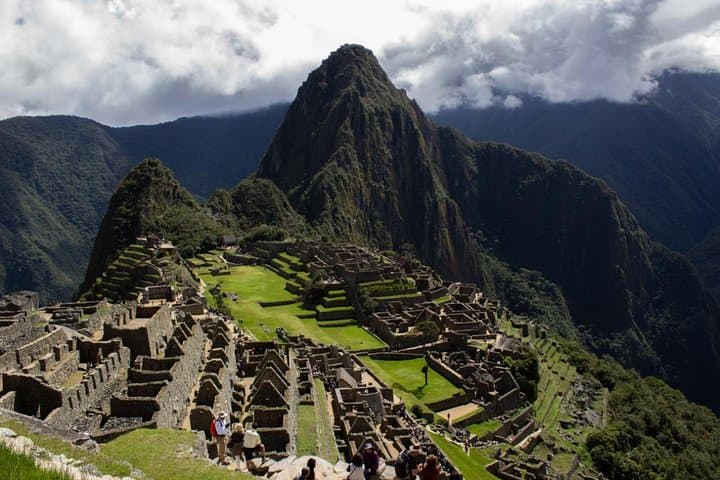
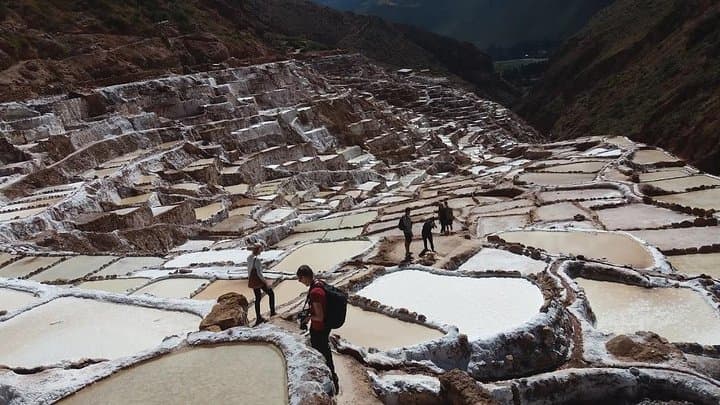
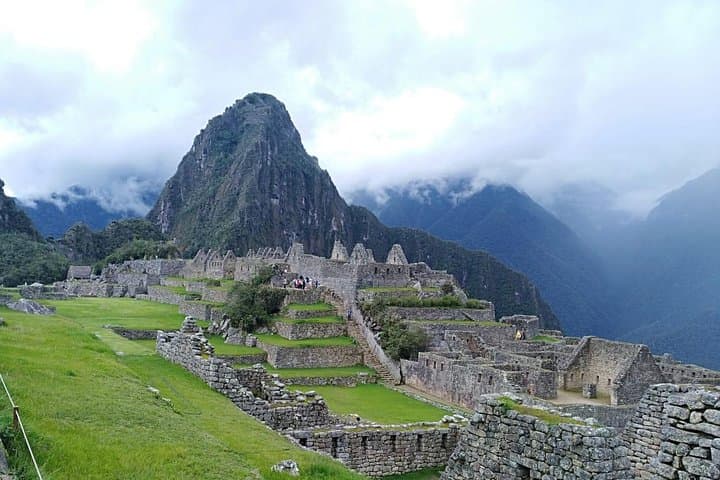
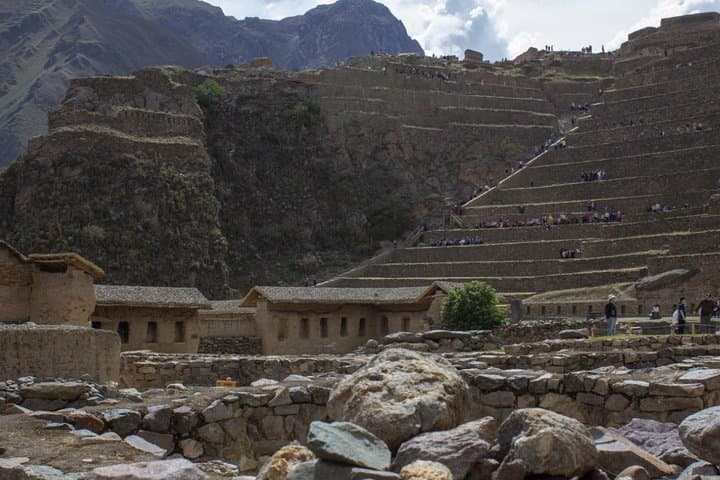
You step out of the thin-air hush of Cusco and the mountains answer with wind and distant stone — terraces hanging like stacked steps above the Urubamba River. Over five days this small-group tour moves at the rhythm of the Andes: market stalls and Inca walls, salt pans glinting at Maras, concentric agricultural bowls at Moray, and finally the mossy stones and fog-cleared terraces of Machu Picchu.
You step out of the thin-air hush of Cusco and the mountains answer with wind and distant stone — terraces hanging like stacked steps above the Urubamba River. Over five days this small-group tour moves at the rhythm of the Andes: market stalls and Inca walls, salt pans glinting at Maras, concentric agricultural bowls at Moray, and finally the mossy stones and fog-cleared terraces of Machu Picchu.
Cusco sits at roughly 3,400 m, once the capital of the Inca Empire; its streets still trace pre-Columbian foundations topped by colonial façades. The Sacred Valley’s geology—steep river canyons carved through volcanic and sedimentary rock—created microclimates the Incas exploited with sophisticated terraces and irrigation. Moray’s circular depressions reveal deliberate soil experiments; Maras’ salt pans show small-scale commercial engineering that persists today.
Culturally, expect Quechua influence in language, textiles and market life—Pisac’s artisan market is a working hub as much as a find for souvenirs. The train ride from Ollantaytambo to Aguas Calientes is short (about 90 minutes) but dramatic, following canyon folds and the river’s pull.
Practical guidance: allow 48 hours to acclimatize, carry water and snacks, and use sturdy shoes for uneven stone steps and steep switchbacks. Temperatures swing between sunlit warmth and cold nights—layering is essential. Tours include entry tickets, guided visits, transfers and three-star lodging; travel time between major stops ranges from 30 minutes to two hours by road. With a little planning for altitude and timing, the route delivers cultural depth and clear mountain views without heavy trekking.