THE ADVENTURE COLLECTIVE® · Independent discovery and booking for outdoor travel

Five days of Inca highlights: Cusco’s archaeological circuit, the Sacred Valley, a guided visit to Machu Picchu and the high-altitude hike to Rainbow Mountain. Practical, acclimatization-focused routing and included logistics make this a concentrated introduction to southern Peru’s high Andes.
Five days of Inca highlights: Cusco’s archaeological circuit, the Sacred Valley, a guided visit to Machu Picchu and the high-altitude hike to Rainbow Mountain. Practical, acclimatization-focused routing and included logistics make this a concentrated introduction to southern Peru’s high Andes.
You step out into thin, clear air before dawn, Cusco’s cobbled streets still shadowed as a minivan threads uphill toward the high puna. By the time the sun lifts over the Andes you’re moving through terraces and stonework first shaped by the Incas: Pisac’s cliffs, Ollantaytambo’s sun-facing walls and, eventually, the narrow valley train that delivers you to Aguas Calientes.
Verified experiences and guided adventures in the surrounding area.
Operated by Chullos Travel Peru · Cusco, Cusco Region
You step out into thin, clear air before dawn, Cusco’s cobbled streets still shadowed as a minivan threads uphill toward the high puna. By the time the sun lifts over the Andes you’re moving through terraces and stonework first shaped by the Incas: Pisac’s cliffs, Ollantaytambo’s sun-facing walls and, eventually, the narrow valley train that delivers you to Aguas Calientes.
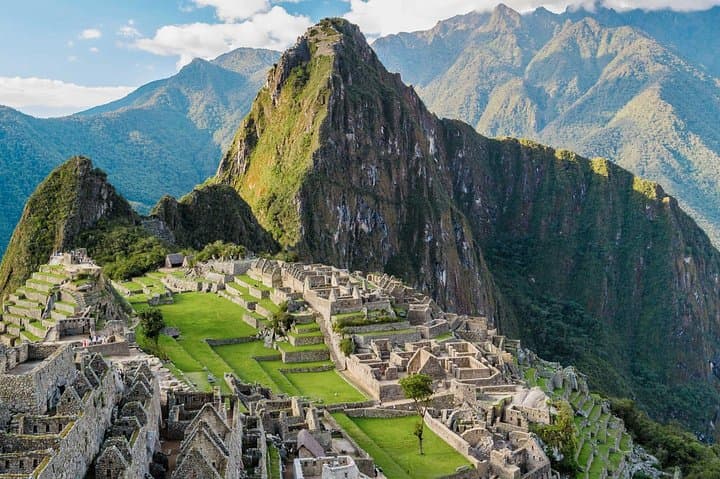
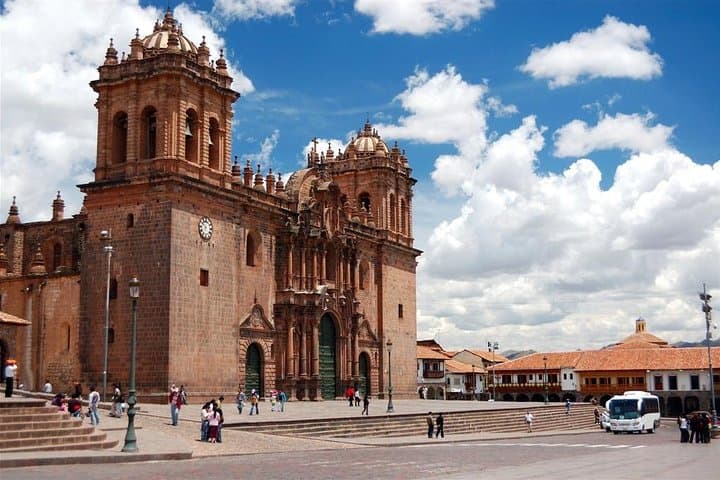
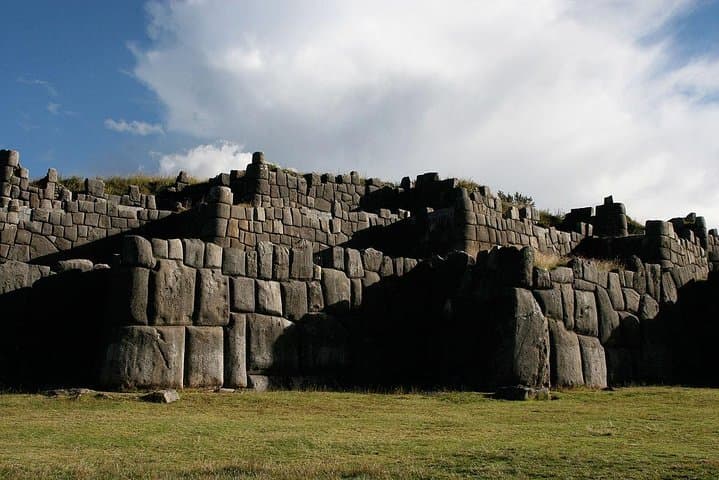
This five-day itinerary strings together the region’s big draws: a Cusco city tour that explains Koricancha and Sacsayhuamán’s colossal masonry, the Sacred Valley’s living agricultural terraces, a guided visit to Machu Picchu (circuit assigned by the Ministry of Culture), and the high-altitude trek to Vinicunca—Rainbow Mountain—where iron-rich soils paint slopes in bands of rust, ochre and mint.
Geology and history meet here: uplifted sedimentary beds and glacial scouring expose layered minerals; Inca engineers moved water and stone to suit ritual and agriculture. Local Quechua communities maintain markets and grazing llamas, giving cultural texture between sites.
Practical edge: plan for altitude changes—Cusco sits above 3,300 m and Rainbow Mountain tops near 5,000 m—so acclimatize, hydrate and budget extra time for the early starts and train windows. The tour includes hotels, many meals, trains and entrance tickets (subject to availability). Footwear should handle uneven, sometimes muddy trails; a windproof layer and sun protection are essential. Expect a fast-moving, logistics-heavy trip that rewards you with ancient stonework and alpine panoramas.
moderate.
5 days.
Good cardiovascular fitness recommended—able to hike 1–3 hours at high altitude with elevation gain; prior moderate hiking experience helpful
The tour includes Machu Picchu tickets subject to Ministry of Culture availability (circuits 1 or 2 provided; if unavailable you may receive a full refund).
The trail is short (about 1–1.5 hours one way) but reaches near 5,000 m; the gradient and altitude make it strenuous for unacclimatized visitors.
The driest months are May–September (Andean winter); the wet season is roughly December–March when trails can be muddy and visibility reduced.
This private tour often allows optional add-ons (e.g., gastronomy tours) but changes depend on ticket and train availability—discuss with the operator at booking.
These valleys were central to Inca administration and agriculture; sites like Ollantaytambo retain living terraces and stonework used continuously since pre-Columbian times.
Machupicchu’s visitor caps and circuit system are managed by Peru’s Ministry of Culture to protect fragile ruins; stick to designated paths, avoid feeding wildlife and support local guides and communities.
Chullos Travel Peru operates guided outdoor trips and adventures with an emphasis on safety, stewardship, and memorable experiences.
You step out into thin, clear air before dawn, Cusco’s cobbled streets still shadowed as a minivan threads uphill toward the high puna. By the time the sun lifts over the Andes you’re moving through terraces and stonework first shaped by the Incas: Pisac’s cliffs, Ollantaytambo’s sun-facing walls and, eventually, the narrow valley train that delivers you to Aguas Calientes.
You step out into thin, clear air before dawn, Cusco’s cobbled streets still shadowed as a minivan threads uphill toward the high puna. By the time the sun lifts over the Andes you’re moving through terraces and stonework first shaped by the Incas: Pisac’s cliffs, Ollantaytambo’s sun-facing walls and, eventually, the narrow valley train that delivers you to Aguas Calientes.
This five-day itinerary strings together the region’s big draws: a Cusco city tour that explains Koricancha and Sacsayhuamán’s colossal masonry, the Sacred Valley’s living agricultural terraces, a guided visit to Machu Picchu (circuit assigned by the Ministry of Culture), and the high-altitude trek to Vinicunca—Rainbow Mountain—where iron-rich soils paint slopes in bands of rust, ochre and mint.
Geology and history meet here: uplifted sedimentary beds and glacial scouring expose layered minerals; Inca engineers moved water and stone to suit ritual and agriculture. Local Quechua communities maintain markets and grazing llamas, giving cultural texture between sites.
Practical edge: plan for altitude changes—Cusco sits above 3,300 m and Rainbow Mountain tops near 5,000 m—so acclimatize, hydrate and budget extra time for the early starts and train windows. The tour includes hotels, many meals, trains and entrance tickets (subject to availability). Footwear should handle uneven, sometimes muddy trails; a windproof layer and sun protection are essential. Expect a fast-moving, logistics-heavy trip that rewards you with ancient stonework and alpine panoramas.