
5-Day Maasai Mara and Lake Nakuru Safari — Big Five, Flamingos & Migration
Five days of classic Kenyan safari: sunrise game drives in Maasai Mara, flamingo-lined shores at Lake Nakuru, and chances to see the Big Five and the Great Migration. Early starts and long drives reward close wildlife encounters and iconic landscapes.
An Adventure In Nairobi.
Five days of classic Kenyan safari: sunrise game drives in Maasai Mara, flamingo-lined shores at Lake Nakuru, and chances to see the Big Five and the Great Migration. Early starts and long drives reward close wildlife encounters and iconic landscapes.
Read the full experience
You arrive at dawn on the edge of Maasai Mara and the plains open like a page turned by wind: acacia silhouettes, a salt-flat shimmer, and a distant line of grazing ungulates. The air smells of dust and dry grass; everything feels ready to move. On game drives the landscape itself seems to watch you, and the rivers dare predators and prey into the same frame.
You arrive at dawn on the edge of Maasai Mara and the plains open like a page turned by wind: acacia silhouettes, a salt-flat shimmer, and a distant line of grazing ungulates. The air smells of dust and dry grass; everything feels ready to move. On game drives the landscape itself seems to watch you, and the rivers dare predators and prey into the same frame.
This route threads two of Kenya’s best-known reserves. Maasai Mara — carved from rolling savanna and seasonal rivers — is world-famous for the Great Migration that funnels wildebeest and zebra from the Serengeti between July and October. Lake Nakuru, a shallow rift-lake, has long been an ornithological magnet; its alkaline shallows attract thousands of flamingos and shelter both black and white rhinoceros. The region carries Maasai cultural presence and colonial-era ranching history, plus Rift Valley geology that explains sudden escarpments and soda lakes.
Expect early starts for the animal-active hours, midday rests at lodges, and late-afternoon glassing for predators in amber light. Terrain is mostly drivable dirt tracks with short walks at viewpoints. Bring a good pair of binoculars, layered clothing for cool mornings, and sun protection. Respect park rules: remain in vehicles unless in designated areas, and avoid feeding or approaching wildlife.
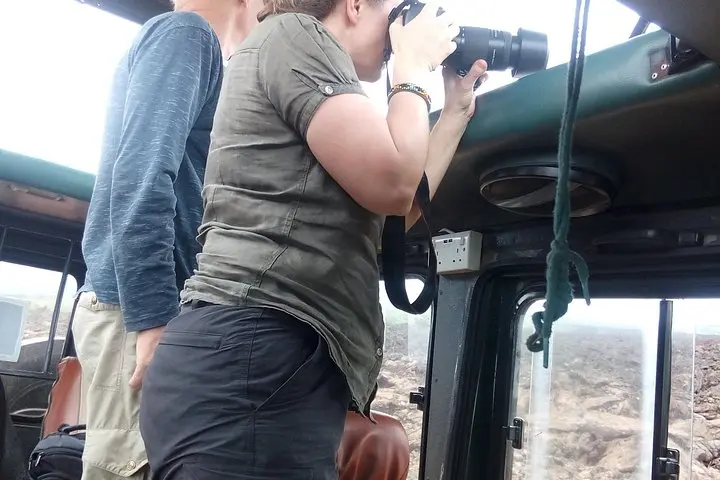
Practical notes: travel times between parks can be long — factor transit into your schedule and keep water and motion-sickness remedies handy. Photography benefits from a 200–400mm lens, steady hands, and patience. This trip delivers raw wildlife encounters with practical comfort at lodge camps.
Frequently asked questions
The core migration through Maasai Mara typically occurs July–October, with peak river crossings between late July and September.
Visitors usually require a valid visa for Kenya and routine vaccinations; check current health advisories for yellow fever, malaria prophylaxis, and travel requirements.
Confirm with the operator whether park entry fees are included—many packages bundle accommodation, park fees, and transfers but policies vary.
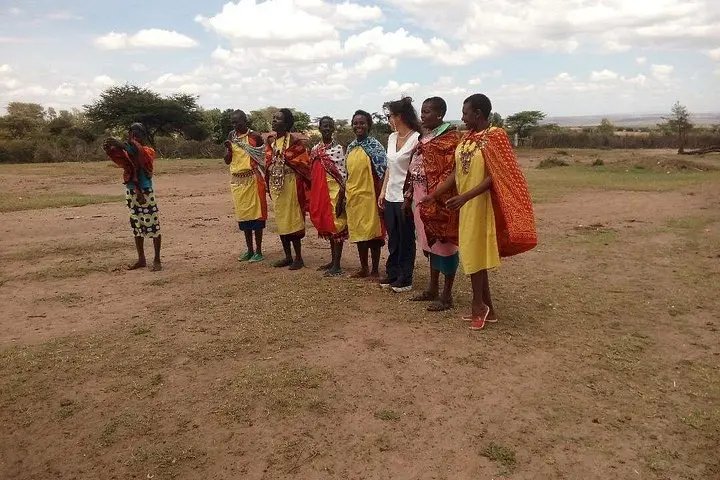
Many itineraries offer optional village visits—these are typically community-led and should be booked through the operator to ensure respectful engagement.
About This Experience
PONGEZI AFRICA SAFARIS operates guided outdoor trips and adventures with an emphasis on safety, stewardship, and memorable experiences.
Adventure tips
Recommended gear
- Binoculars (8x42): Helps you scan for distant wildlife across the plains.
- 200–400mm telephoto lens: Gives close-up shots of animals from the safety of the vehicle.
- Light, layered clothing: Cool mornings and hot afternoons require breathable layers and a warm jacket at dawn.
- Reusable water bottle with filter: Keeps you hydrated while reducing single-use plastics during long drives.
Photos of the experience
Related adventures & guides
Read the full experience
You arrive at dawn on the edge of Maasai Mara and the plains open like a page turned by wind: acacia silhouettes, a salt-flat shimmer, and a distant line of grazing ungulates. The air smells of dust and dry grass; everything feels ready to move. On game drives the landscape itself seems to watch you, and the rivers dare predators and prey into the same frame.
You arrive at dawn on the edge of Maasai Mara and the plains open like a page turned by wind: acacia silhouettes, a salt-flat shimmer, and a distant line of grazing ungulates. The air smells of dust and dry grass; everything feels ready to move. On game drives the landscape itself seems to watch you, and the rivers dare predators and prey into the same frame.
This route threads two of Kenya’s best-known reserves. Maasai Mara — carved from rolling savanna and seasonal rivers — is world-famous for the Great Migration that funnels wildebeest and zebra from the Serengeti between July and October. Lake Nakuru, a shallow rift-lake, has long been an ornithological magnet; its alkaline shallows attract thousands of flamingos and shelter both black and white rhinoceros. The region carries Maasai cultural presence and colonial-era ranching history, plus Rift Valley geology that explains sudden escarpments and soda lakes.
Expect early starts for the animal-active hours, midday rests at lodges, and late-afternoon glassing for predators in amber light. Terrain is mostly drivable dirt tracks with short walks at viewpoints. Bring a good pair of binoculars, layered clothing for cool mornings, and sun protection. Respect park rules: remain in vehicles unless in designated areas, and avoid feeding or approaching wildlife.
Practical notes: travel times between parks can be long — factor transit into your schedule and keep water and motion-sickness remedies handy. Photography benefits from a 200–400mm lens, steady hands, and patience. This trip delivers raw wildlife encounters with practical comfort at lodge camps.
Make a day of it nearby.
Verified experiences and guided adventures in the surrounding area.