THE ADVENTURE COLLECTIVE® · Independent discovery and booking for outdoor travel

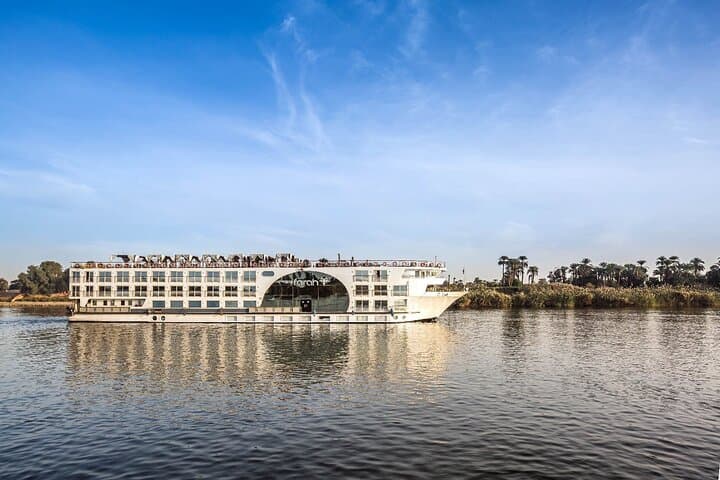
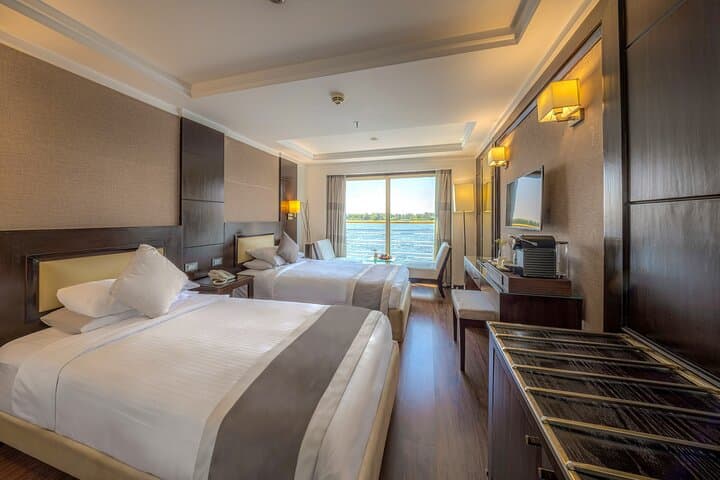
Float over Luxor at dawn, sail the Nile between ancient temples, and stand beneath Abu Simbel’s colossal facades on this five-day Luxor–Aswan cruise. It combines a hot-air balloon, guided Egyptology-led tours, and full-board accommodation aboard a comfortable Nile vessel.
Float over Luxor at dawn, sail the Nile between ancient temples, and stand beneath Abu Simbel’s colossal facades on this five-day Luxor–Aswan cruise. It combines a hot-air balloon, guided Egyptology-led tours, and full-board accommodation aboard a comfortable Nile vessel.
The first light in Upper Egypt arrives like a slow exhale: a hot-air balloon lifts you above the Nile and the river seems to unroll beneath you, daring you to follow its current south toward sandstone cliffs and temples. On this five-day cruise from Luxor to Aswan, mornings belong to birds, feluccas and the long shadows of pylons; afternoons to guided walks through colonnades and the hush of tomb chambers.
Verified experiences and guided adventures in the surrounding area.
Operated by Fly in Minute · Luxor, Luxor Governorate
The first light in Upper Egypt arrives like a slow exhale: a hot-air balloon lifts you above the Nile and the river seems to unroll beneath you, daring you to follow its current south toward sandstone cliffs and temples. On this five-day cruise from Luxor to Aswan, mornings belong to birds, feluccas and the long shadows of pylons; afternoons to guided walks through colonnades and the hush of tomb chambers.
This route threads together New Kingdom capitals and Ptolemaic sanctuaries—Karnak’s hypostyle hall, the Valley of the Kings’ rock-cut tombs, Kom Ombo’s dual shrines, and the relocated Philae complex. Geologically, the Nile has carved a fertile ribbon through the Eastern Desert’s limestone escarpments, while Aswan’s granite quarries supplied obelisks whose unfinished edges still reveal ancient techniques.
Culturally, you’ll pass Nubian villages whose colors and boat-building traditions persist despite the reshaping of the landscape by the Aswan Dam; Abu Simbel’s twin temples, moved stone by stone in the 1960s, are a reminder of modern conservation feats.
Practical guidance: plan balloon flights for first light and reserve entrance tickets where possible; bring sun protection, a reusable water bottle and light layers for cool desert mornings. Walking surfaces vary: prepared paths at sites, loose stone in quarries and stairs inside tombs—sturdy shoes are essential. The cruise provides full-board meals and air-conditioned transfers, but single-room requests and dietary needs should be communicated at booking. Pace yourself—temple visits involve standing and steps—and carry local-currency cash for tips and small purchases ashore.
moderate.
5 days.
Light to moderate fitness—able to walk 1–3 miles/day over uneven ground and climb steps in tombs and temples.
Most nationalities require a tourist visa for Egypt—check current visa rules and obtain one before travel or on arrival where applicable.
The itinerary includes a hot-air balloon experience, but confirm operational status and any age or weight restrictions before booking.
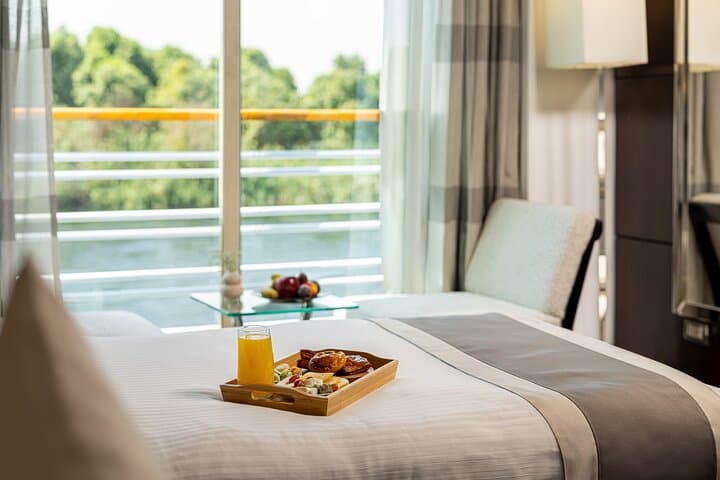
Entrance fees to listed sites and private air-conditioned transfers are included, as is accommodation and full-board on the cruise.
Yes—operators can handle vegetarian, vegan and gluten-free requests if noted at booking; confirm special requests in advance.
This corridor was the heart of Ancient Egypt—Thebes (modern Luxor) was a political and religious center during the New Kingdom; many temples were expanded over centuries by pharaohs and later by Ptolemaic rulers.
Major relocation projects like Philae and Abu Simbel were early UNESCO-led conservation efforts; visitors should stay on designated paths and avoid touching reliefs to protect fragile stone.
Fly in Minute operates guided outdoor trips and adventures with an emphasis on safety, stewardship, and memorable experiences.
The first light in Upper Egypt arrives like a slow exhale: a hot-air balloon lifts you above the Nile and the river seems to unroll beneath you, daring you to follow its current south toward sandstone cliffs and temples. On this five-day cruise from Luxor to Aswan, mornings belong to birds, feluccas and the long shadows of pylons; afternoons to guided walks through colonnades and the hush of tomb chambers.
The first light in Upper Egypt arrives like a slow exhale: a hot-air balloon lifts you above the Nile and the river seems to unroll beneath you, daring you to follow its current south toward sandstone cliffs and temples. On this five-day cruise from Luxor to Aswan, mornings belong to birds, feluccas and the long shadows of pylons; afternoons to guided walks through colonnades and the hush of tomb chambers.
This route threads together New Kingdom capitals and Ptolemaic sanctuaries—Karnak’s hypostyle hall, the Valley of the Kings’ rock-cut tombs, Kom Ombo’s dual shrines, and the relocated Philae complex. Geologically, the Nile has carved a fertile ribbon through the Eastern Desert’s limestone escarpments, while Aswan’s granite quarries supplied obelisks whose unfinished edges still reveal ancient techniques.
Culturally, you’ll pass Nubian villages whose colors and boat-building traditions persist despite the reshaping of the landscape by the Aswan Dam; Abu Simbel’s twin temples, moved stone by stone in the 1960s, are a reminder of modern conservation feats.
Practical guidance: plan balloon flights for first light and reserve entrance tickets where possible; bring sun protection, a reusable water bottle and light layers for cool desert mornings. Walking surfaces vary: prepared paths at sites, loose stone in quarries and stairs inside tombs—sturdy shoes are essential. The cruise provides full-board meals and air-conditioned transfers, but single-room requests and dietary needs should be communicated at booking. Pace yourself—temple visits involve standing and steps—and carry local-currency cash for tips and small purchases ashore.