THE ADVENTURE COLLECTIVE® · Independent discovery and booking for outdoor travel

Float between Luxor and Aswan on a four-night Nile cruise that pairs relaxed river time with guided visits to Karnak, the Valley of the Kings, Edfu, Kom Ombo and Philae. Expect expert Egyptologist commentary, private transfers, and full-board dining.
Float between Luxor and Aswan on a four-night Nile cruise that pairs relaxed river time with guided visits to Karnak, the Valley of the Kings, Edfu, Kom Ombo and Philae. Expect expert Egyptologist commentary, private transfers, and full-board dining.
You wake before dawn as the Nile loosens its black ribbon and the cruise slips from Luxor’s quay. Palm fringes and small villages slide by while the ship’s crew arranges decks for another day of temples; the river itself seems to push you gently toward history.
Verified experiences and guided adventures in the surrounding area.
Operated by Look at Egypt Tours · Luxor, Luxor Governorate
You wake before dawn as the Nile loosens its black ribbon and the cruise slips from Luxor’s quay. Palm fringes and small villages slide by while the ship’s crew arranges decks for another day of temples; the river itself seems to push you gently toward history.
This four-night, five-day route follows the classic Upper Egypt itinerary: Karnak and Luxor on the east bank, the Valley of the Kings and Hatshepsut on the west, the remarkably preserved Ptolemaic temple at Edfu, the dual shrine at Kom Ombo, and the rescued temples of Philae near Aswan. Geologically the Nile Valley is a narrow fertile corridor between desert escarpments; its banks have hosted continuous civilization for millennia.
Culturally, a cruise like this pairs relaxed river time with concentrated site visits led by an Egyptologist—expect structured mornings of guided exploration and afternoons for naps, photography, or short felucca sails. The Valley of the Kings enforces limited-tomb rotations and conservation measures for good reason: enclosed rock tombs are highly vulnerable to humidity and crowds.
Practical guidance: book early-morning or late-afternoon visits to avoid peak heat; wear sturdy walking shoes for uneven temple thresholds and shallow rock-cut tomb entrances; carry a reusable water bottle and sun protection. Allow time for transfers from Marsa Alam if you start there—road or domestic flight connections add hours. Bring modest clothing for sacred sites and factor in tipping for guides, drivers and crew. With planning, the cruise balances calm river passages and some of Egypt’s most concentrated ancient wonders.
easy.
4–5 days.
Suitable for travelers in average fitness—walking on uneven surfaces and short stair climbs at sites required
Yes—this itinerary includes a qualified Egyptologist who leads site visits and provides historical context and practical navigation at each monument.
Round-trip private transfers are included; depending on your pickup point these can be long, so confirm timing and whether the transfer is by road or domestic flight.
The listing notes wheelchair-accessible transportation and facilities, but access to some archaeological sites involves steps and uneven ground—check specifics before booking.
Full-board dining is provided with buffet breakfasts and lunches; expect a mix of Egyptian and international dishes and options for most dietary needs if requested in advance.
The Luxor–Aswan corridor contains temples and tombs spanning New Kingdom pharaohs through Ptolemaic additions; many monuments were later altered by successive rulers.
Tombs and painted reliefs are sensitive to humidity and crowding—sites use rotation, dehumidifiers, and visitor limits to reduce impact; travelers should follow signage and guide directions.
Look at Egypt Tours operates guided outdoor trips and adventures with an emphasis on safety, stewardship, and memorable experiences.
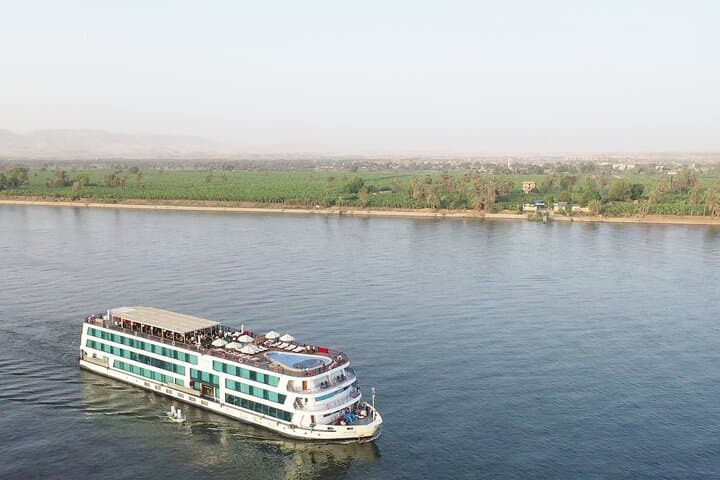
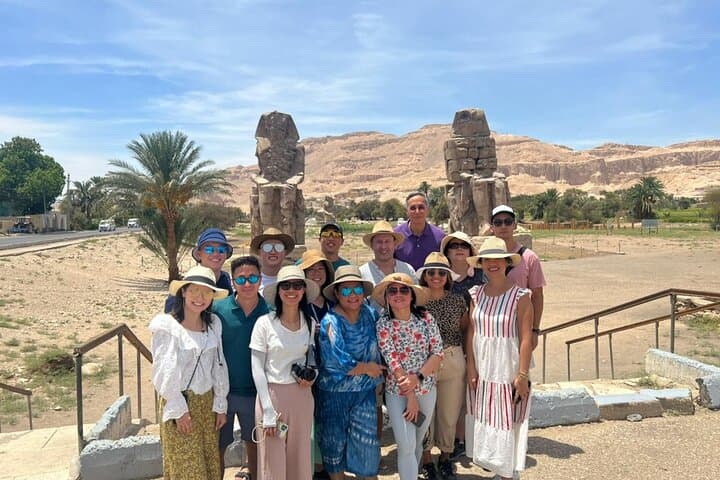
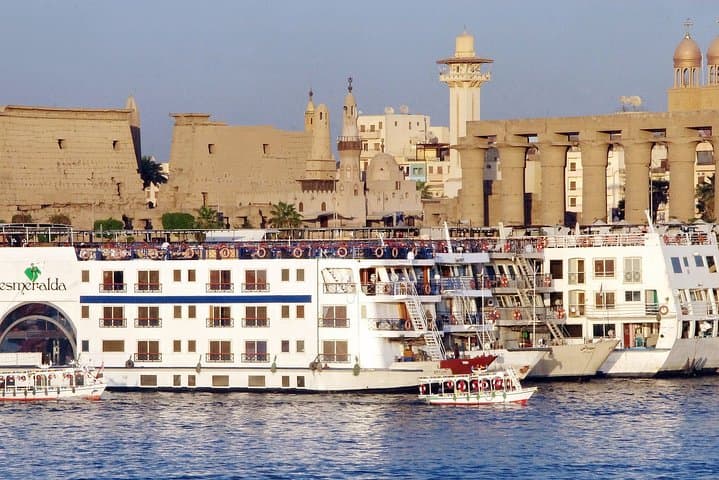
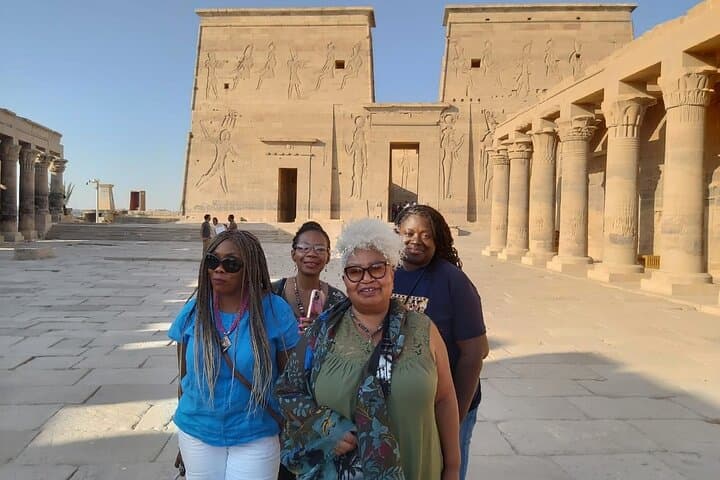
You wake before dawn as the Nile loosens its black ribbon and the cruise slips from Luxor’s quay. Palm fringes and small villages slide by while the ship’s crew arranges decks for another day of temples; the river itself seems to push you gently toward history.
You wake before dawn as the Nile loosens its black ribbon and the cruise slips from Luxor’s quay. Palm fringes and small villages slide by while the ship’s crew arranges decks for another day of temples; the river itself seems to push you gently toward history.
This four-night, five-day route follows the classic Upper Egypt itinerary: Karnak and Luxor on the east bank, the Valley of the Kings and Hatshepsut on the west, the remarkably preserved Ptolemaic temple at Edfu, the dual shrine at Kom Ombo, and the rescued temples of Philae near Aswan. Geologically the Nile Valley is a narrow fertile corridor between desert escarpments; its banks have hosted continuous civilization for millennia.
Culturally, a cruise like this pairs relaxed river time with concentrated site visits led by an Egyptologist—expect structured mornings of guided exploration and afternoons for naps, photography, or short felucca sails. The Valley of the Kings enforces limited-tomb rotations and conservation measures for good reason: enclosed rock tombs are highly vulnerable to humidity and crowds.
Practical guidance: book early-morning or late-afternoon visits to avoid peak heat; wear sturdy walking shoes for uneven temple thresholds and shallow rock-cut tomb entrances; carry a reusable water bottle and sun protection. Allow time for transfers from Marsa Alam if you start there—road or domestic flight connections add hours. Bring modest clothing for sacred sites and factor in tipping for guides, drivers and crew. With planning, the cruise balances calm river passages and some of Egypt’s most concentrated ancient wonders.