THE ADVENTURE COLLECTIVE® · Independent discovery and booking for outdoor travel

A five-day trek into the Sierra Nevada to reach Ciudad Perdida offers steep jungle trails, river crossings, and a guided entrance into Tayrona archaeological terraces. Expect rustic camps, close cultural encounters with indigenous communities, and demanding hiking conditions.
A five-day trek into the Sierra Nevada to reach Ciudad Perdida offers steep jungle trails, river crossings, and a guided entrance into Tayrona archaeological terraces. Expect rustic camps, close cultural encounters with indigenous communities, and demanding hiking conditions.
You leave Santa Marta behind at first light, the Caribbean heat trading places with the cool, green press of the Sierra Nevada. A jeep rides you into Mamey, then a walking rhythm takes over: steep jungle trails, river crossings that dare you to stay dry, and the slow reveal of stone terraces half-swallowed by vines. By the time you climb the final 1,200+ carved steps, Teyuna—known as Ciudad Perdida—appears as a grid of mossed platforms and ceremonial spaces, quiet but for the guide's low words and the wind moving through palm fronds.
Verified experiences and guided adventures in the surrounding area.
Operated by Vivamos Colombia Travel · Santa Marta, Magdalena
You leave Santa Marta behind at first light, the Caribbean heat trading places with the cool, green press of the Sierra Nevada. A jeep rides you into Mamey, then a walking rhythm takes over: steep jungle trails, river crossings that dare you to stay dry, and the slow reveal of stone terraces half-swallowed by vines. By the time you climb the final 1,200+ carved steps, Teyuna—known as Ciudad Perdida—appears as a grid of mossed platforms and ceremonial spaces, quiet but for the guide's low words and the wind moving through palm fronds.
The site dates to the Tayrona culture and sits within a UNESCO-declared biosphere; local Kogi, Wiwa, Kankuamos and Arhuaco communities maintain cultural ties and continue traditional practices in the valleys below. Geologically the area is steep—outcrops of metamorphic rock and fast-draining soils produce narrow ridgelines and sudden drops. Trails follow ancient footpaths and river terraces rather than modern switchbacks.
Expect multi-day trekking conditions: humid heat, slippery roots, and steep stone steps. Nights are spent in simple cabins or hammocks; meals are basic but hearty. Guides provide cultural context—story, placement of sites, and respectful behavior around sacred areas.
Practical guidance: train on hills and stairs, pack quick-dry layers and a reliable rain shell, and bring insect protection and a water-treatment option. Plan for 4–6 days of trekking, acclimate in Santa Marta, and budget for tips to local guides and community fees. The reward is more than views: it’s contact with living indigenous cultures and one of Colombia’s most enduring archaeological landscapes.
challenging.
4–6 days.
Good cardiovascular fitness and strong legs; comfortable carrying a 8–12 kg daypack and hiking several hours daily.
Typical itineraries run 4–6 days with multiple daily hiking sections and a final climb of 1,200+ stone steps; it’s physically demanding and suited to fit hikers.
Visits require authorized guides and community permissions coordinated by tour operators—independent access is restricted to protect sites and communities.
Accommodation is basic: community cabins or hammocks, simple meals, and shared facilities—comfort is rustic by design to minimize impact.
You may encounter mosquitoes and occasionally snakes or spiders; standard precautions—repellent, long sleeves at dusk, and awareness—are sufficient.
Teyuna (Ciudad Perdida) was built by the Tayrona culture centuries before Spanish contact; descendants from Kogi, Wiwa, Kankuamos and Arhuacos maintain cultural ties to the valley.
The site sits inside the Sierra Nevada’s protected areas and UNESCO biosphere; responsible trekking supports community economies while minimizing erosion and cultural disturbance.
Vivamos Colombia Travel operates guided outdoor trips and adventures with an emphasis on safety, stewardship, and memorable experiences.
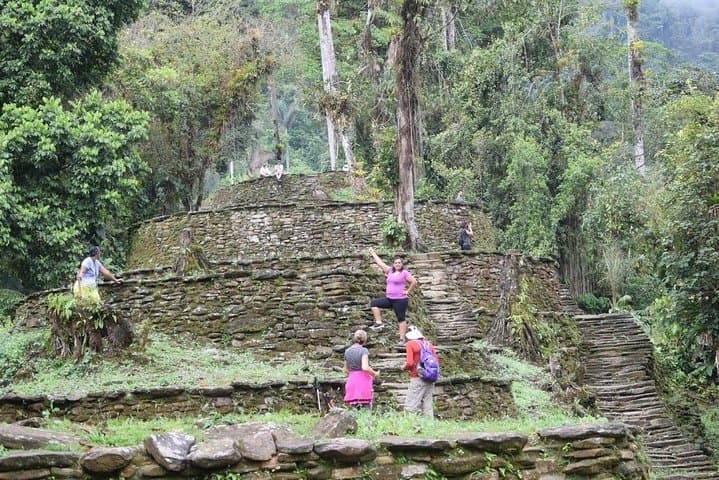
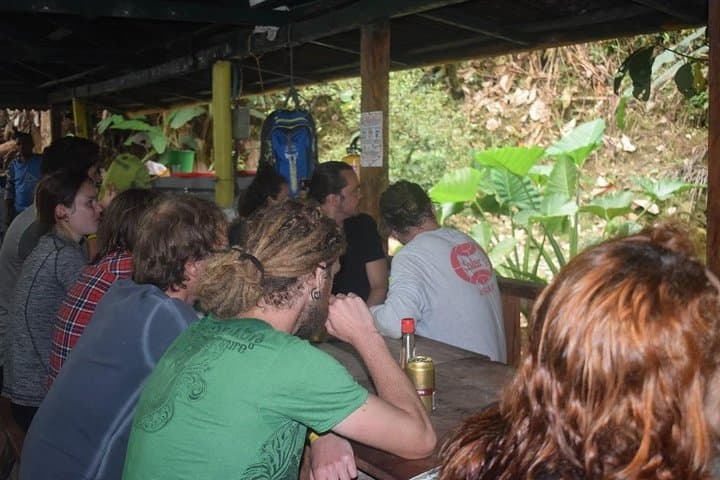
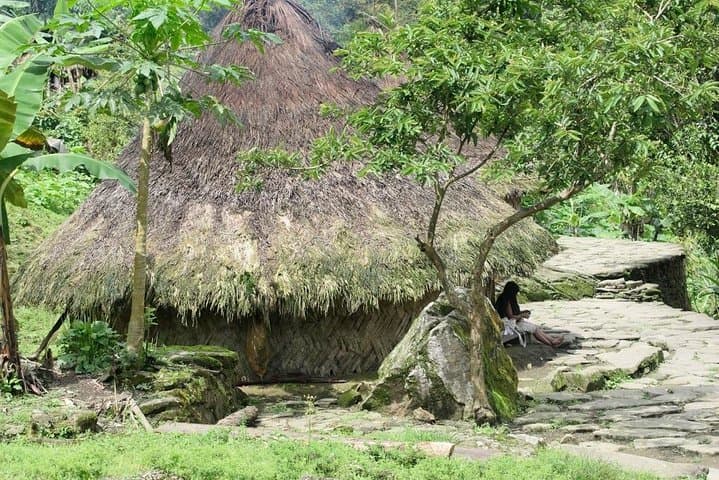
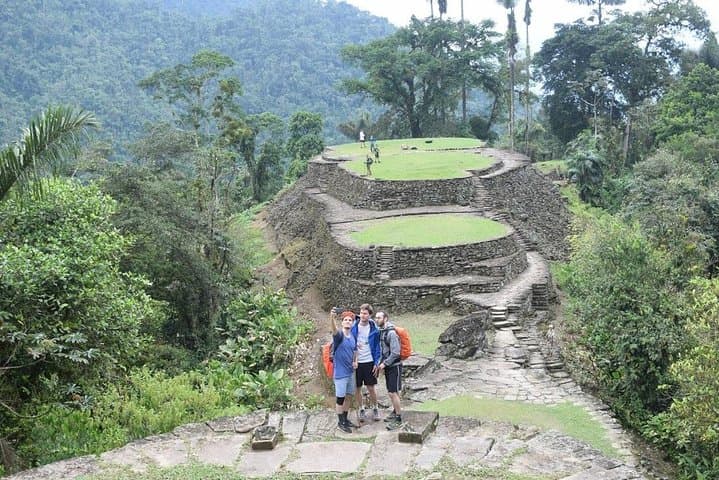
You leave Santa Marta behind at first light, the Caribbean heat trading places with the cool, green press of the Sierra Nevada. A jeep rides you into Mamey, then a walking rhythm takes over: steep jungle trails, river crossings that dare you to stay dry, and the slow reveal of stone terraces half-swallowed by vines. By the time you climb the final 1,200+ carved steps, Teyuna—known as Ciudad Perdida—appears as a grid of mossed platforms and ceremonial spaces, quiet but for the guide's low words and the wind moving through palm fronds.
You leave Santa Marta behind at first light, the Caribbean heat trading places with the cool, green press of the Sierra Nevada. A jeep rides you into Mamey, then a walking rhythm takes over: steep jungle trails, river crossings that dare you to stay dry, and the slow reveal of stone terraces half-swallowed by vines. By the time you climb the final 1,200+ carved steps, Teyuna—known as Ciudad Perdida—appears as a grid of mossed platforms and ceremonial spaces, quiet but for the guide's low words and the wind moving through palm fronds.
The site dates to the Tayrona culture and sits within a UNESCO-declared biosphere; local Kogi, Wiwa, Kankuamos and Arhuaco communities maintain cultural ties and continue traditional practices in the valleys below. Geologically the area is steep—outcrops of metamorphic rock and fast-draining soils produce narrow ridgelines and sudden drops. Trails follow ancient footpaths and river terraces rather than modern switchbacks.
Expect multi-day trekking conditions: humid heat, slippery roots, and steep stone steps. Nights are spent in simple cabins or hammocks; meals are basic but hearty. Guides provide cultural context—story, placement of sites, and respectful behavior around sacred areas.
Practical guidance: train on hills and stairs, pack quick-dry layers and a reliable rain shell, and bring insect protection and a water-treatment option. Plan for 4–6 days of trekking, acclimate in Santa Marta, and budget for tips to local guides and community fees. The reward is more than views: it’s contact with living indigenous cultures and one of Colombia’s most enduring archaeological landscapes.