THE ADVENTURE COLLECTIVE® · Independent discovery and booking for outdoor travel

A compact five-day loop linking Lalibela’s 12th‑century rock‑hewn churches with the volcanic spectacle of the Danakil Depression. Expect long desert drives, a night camping on Erta Ale’s rim, salt‑flat excursions and close encounters with Afar culture.
A compact five-day loop linking Lalibela’s 12th‑century rock‑hewn churches with the volcanic spectacle of the Danakil Depression. Expect long desert drives, a night camping on Erta Ale’s rim, salt‑flat excursions and close encounters with Afar culture.
The night air above Erta Ale tastes of sulfur and metal; faint orange glows pulse like a distant, breathing city. You arrive after long desert drives and a steep trek, the lava lake’s rim unspooling heat and light across a shallow, otherworldly caldera. By contrast, Lalibela’s rock-hewn churches feel cool and intentional — carved into bedrock by craftsmen in the 12th century, they hold centuries of pilgrimage in their shadowed aisles.
Verified experiences and guided adventures in the surrounding area.
Operated by Ethio Travel And Tours · Mekele, Tigray
The night air above Erta Ale tastes of sulfur and metal; faint orange glows pulse like a distant, breathing city. You arrive after long desert drives and a steep trek, the lava lake’s rim unspooling heat and light across a shallow, otherworldly caldera. By contrast, Lalibela’s rock-hewn churches feel cool and intentional — carved into bedrock by craftsmen in the 12th century, they hold centuries of pilgrimage in their shadowed aisles.
This itinerary stitches two different Ethiopian landscapes: the highland faith and medieval architecture of Lalibela, and the raw, tectonic theater of the Danakil Depression where the Afar Triple Junction splits the earth. Expect shield volcanoes, salt flats, neon-hued mineral terraces at Dallol, and the centuries-old salt caravans that still move blocks of salt by camel.
Culturally, local guides from Lalibela and Afar lead both the spiritual tour of the churches and the desert logistics — permits, scout and police accompaniment, and camels for gear. Geologically, Erta Ale’s long-lived lava lake and Dallol’s hydrothermal chimneys illustrate rifting processes on a living scale.
Practical guidance: plan for four nights of mixed lodging and camping, very long vehicle legs (several 6–8 hour drives), and one steep nocturnal ascent to the volcano rim. Hydrate often, bring high-SPF sun protection and sturdy boots for hot, sharp volcanic rock. Follow your guide’s instructions in the Danakil — wind, heat, and volcanic gases demand respect. With preparation, this five-day loop delivers two of Ethiopia’s most elemental experiences: an intimate encounter with rock and fire, and a close-up of a living cultural landscape.
challenging.
5 days.
Good cardiovascular fitness and comfort with several hours of walking on uneven, hot terrain; able to tolerate long vehicle transfers.
The final hike is steep and rocky, typically done at night; expect 1–2 hours of strenuous trekking on uneven ground — good fitness and steady footing required.
Guides monitor conditions and use established vantage points; while Erta Ale is active, the itinerary is planned to minimize exposure to unstable ground and gases — follow guide instructions closely.
Yes — travel in the Afar region requires local permits and often scout/police accompaniment; these are arranged by the operator and included in the tour package.
Cooler months (October–March) are more comfortable; the hottest period (July–September) can be extreme and may limit some excursions.
Lalibela’s eleven rock-hewn churches date to the reign of King Lalibela in the 12th century; the Danakil sits at the Afar Triple Junction where continental plates diverge.
The Danakil’s hydrothermal features are fragile and chemically active; follow guides, pack out all waste, and avoid collecting mineral specimens to reduce impact.
Ethio Travel And Tours operates guided outdoor trips and adventures with an emphasis on safety, stewardship, and memorable experiences.
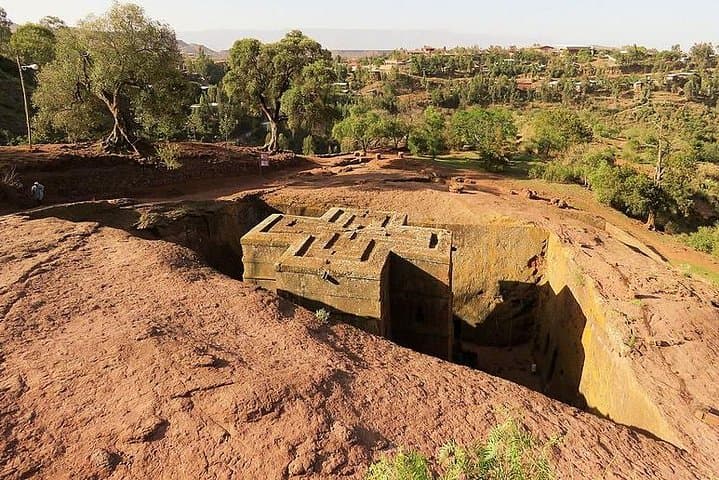
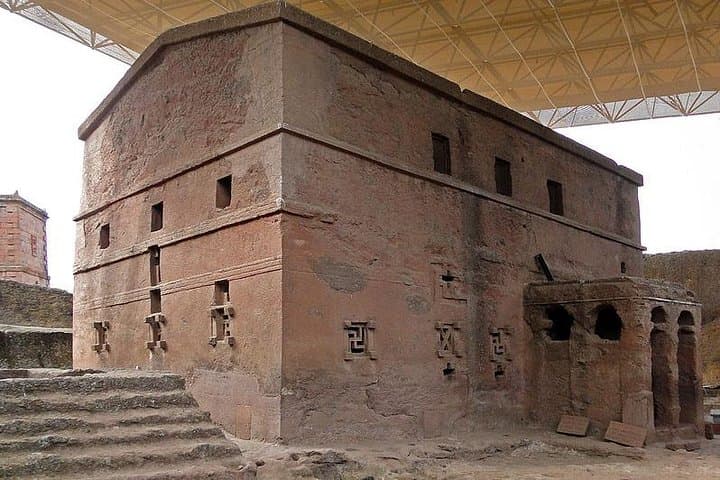
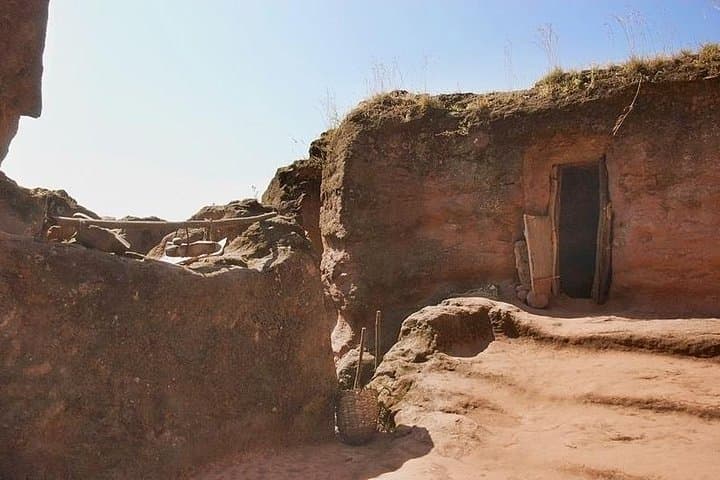
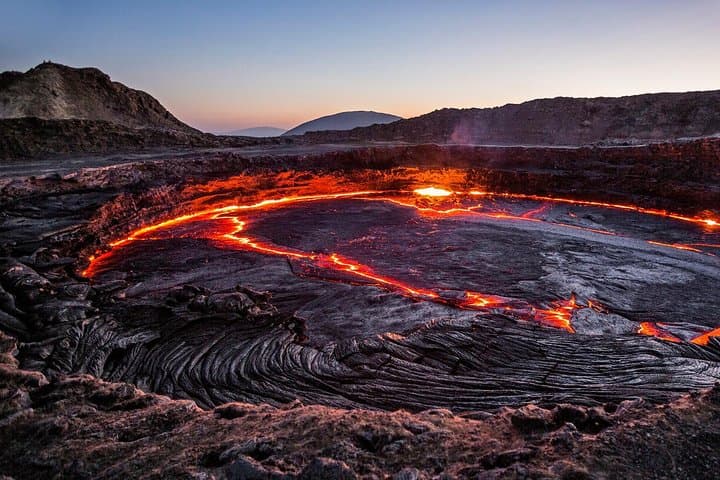
The night air above Erta Ale tastes of sulfur and metal; faint orange glows pulse like a distant, breathing city. You arrive after long desert drives and a steep trek, the lava lake’s rim unspooling heat and light across a shallow, otherworldly caldera. By contrast, Lalibela’s rock-hewn churches feel cool and intentional — carved into bedrock by craftsmen in the 12th century, they hold centuries of pilgrimage in their shadowed aisles.
The night air above Erta Ale tastes of sulfur and metal; faint orange glows pulse like a distant, breathing city. You arrive after long desert drives and a steep trek, the lava lake’s rim unspooling heat and light across a shallow, otherworldly caldera. By contrast, Lalibela’s rock-hewn churches feel cool and intentional — carved into bedrock by craftsmen in the 12th century, they hold centuries of pilgrimage in their shadowed aisles.
This itinerary stitches two different Ethiopian landscapes: the highland faith and medieval architecture of Lalibela, and the raw, tectonic theater of the Danakil Depression where the Afar Triple Junction splits the earth. Expect shield volcanoes, salt flats, neon-hued mineral terraces at Dallol, and the centuries-old salt caravans that still move blocks of salt by camel.
Culturally, local guides from Lalibela and Afar lead both the spiritual tour of the churches and the desert logistics — permits, scout and police accompaniment, and camels for gear. Geologically, Erta Ale’s long-lived lava lake and Dallol’s hydrothermal chimneys illustrate rifting processes on a living scale.
Practical guidance: plan for four nights of mixed lodging and camping, very long vehicle legs (several 6–8 hour drives), and one steep nocturnal ascent to the volcano rim. Hydrate often, bring high-SPF sun protection and sturdy boots for hot, sharp volcanic rock. Follow your guide’s instructions in the Danakil — wind, heat, and volcanic gases demand respect. With preparation, this five-day loop delivers two of Ethiopia’s most elemental experiences: an intimate encounter with rock and fire, and a close-up of a living cultural landscape.