THE ADVENTURE COLLECTIVE® · Independent discovery and booking for outdoor travel

Five days across three iconic landscapes—Lake Nakuru, Lake Naivasha and the Maasai Mara—offer dramatic wildlife viewing, walking and biking in Hell's Gate, and a chance to witness the Mara's plains and rhino sanctuary at Nakuru. This compact safari is ideal for travelers short on time who want a diverse Kenyan experience.
Five days across three iconic landscapes—Lake Nakuru, Lake Naivasha and the Maasai Mara—offer dramatic wildlife viewing, walking and biking in Hell's Gate, and a chance to witness the Mara's plains and rhino sanctuary at Nakuru. This compact safari is ideal for travelers short on time who want a diverse Kenyan experience.
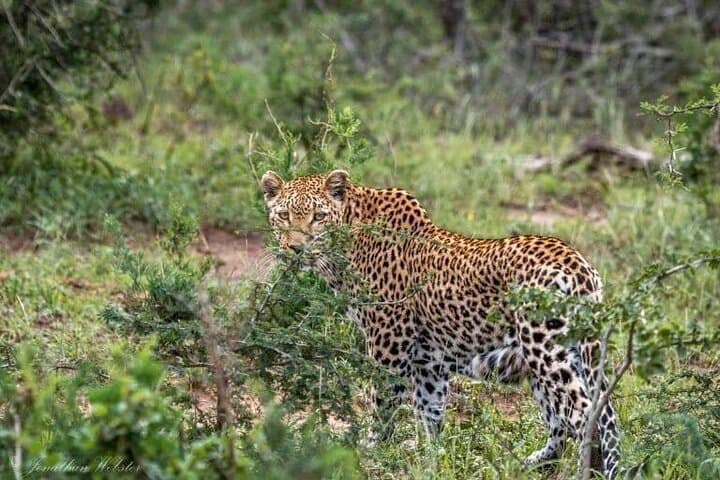
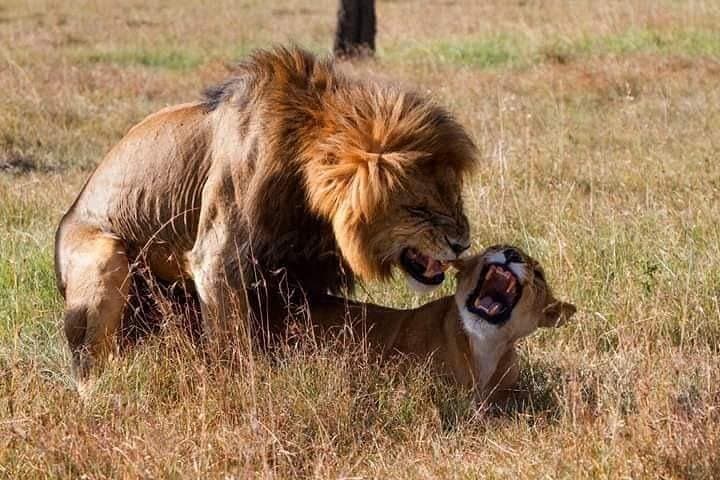
The engine hums before dawn as Nairobi slips away behind a thin curtain of exhaust and city lights. By the time the road opens into Rift Valley country, morning sun has painted the escarpments a copper gold and the first giraffes of the trip are silhouettes against the plains. Over five days you move through three different rhythms of Kenyan wilderness: the jeweled shorelines of Lake Nakuru, the intimate wetlands and islands of Naivasha, and the vast rolling plains of the Maasai Mara, where predators and plains grazers stage their daily dramas.
Verified experiences and guided adventures in the surrounding area.
Operated by African Home Adventure Safaris · Narok, Narok County
The engine hums before dawn as Nairobi slips away behind a thin curtain of exhaust and city lights. By the time the road opens into Rift Valley country, morning sun has painted the escarpments a copper gold and the first giraffes of the trip are silhouettes against the plains. Over five days you move through three different rhythms of Kenyan wilderness: the jeweled shorelines of Lake Nakuru, the intimate wetlands and islands of Naivasha, and the vast rolling plains of the Maasai Mara, where predators and plains grazers stage their daily dramas.
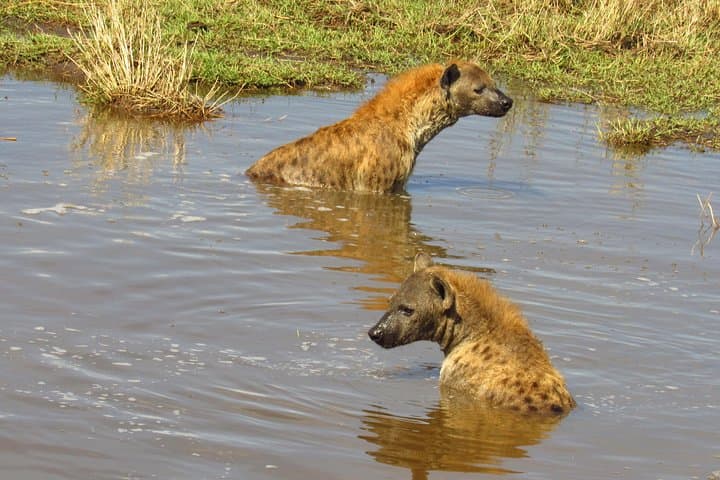
Lake Nakuru feels theatrical the moment the land drops toward it. Decades of geology—Rift Valley faulting and volcanic flows—have left shallow basins that cradle alkaline lakes, and those minerals feed the algae that lure vast flocks of flamingos. The park is also a modern stronghold for rhino conservation,. From Nakuru the trip threads south to Naivasha, a freshwater anomaly where papyrus and hippos share the shallows and Hell's Gate's red cliffs invite bikes and short hikes. The Crescent Island boat tour trades the rumble of safari jeeps for intimate walks among antelope and zebra that treat visitors as another herd.
Then the Mara unfurls: an ocean of grass punctuated by kopjes, river corridors, and the occasional acacia. The reserve and its neighboring community conservancies are a living example of mixed-use conservation—tourism, pastoralism, and wildlife funding local land management. Maasai culture is visible on the horizon; a visit to a village gives context to the landscapes and the long relationship local people have with the land and its animals.
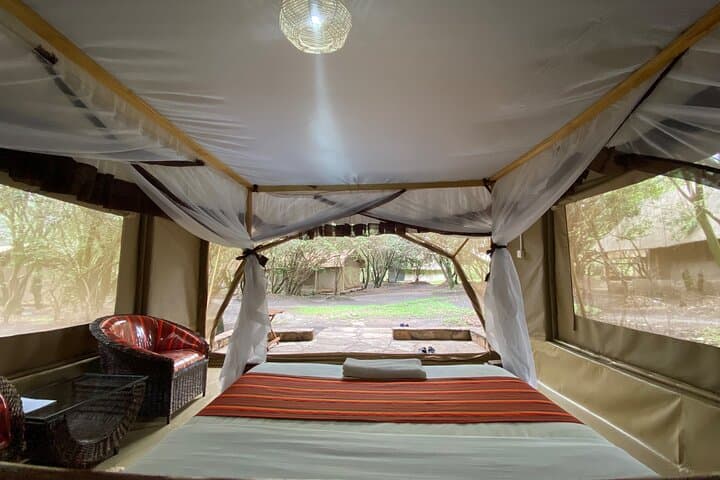
Practical notes: days are long but not physically technical. Expect early departures, two to four game drives, and a mix of lodge and tented-camp accommodations. Pack binoculars, a wide lens for the Mara's panoramic scenes, and layers for cool mornings. Water is available at lodges but bring a refill bottle; sun is intense midday. Your driver-guide handles logistics and park access, but tipping, local fees for village visits, and optional activities like bike rides at Hell's Gate are out-of-pocket.
When to go comes down to priorities. July through October are peak for migration viewing; December to March offer calving and lots of young animals. Birders and photographers find value year-round. Respect the wildlife and local communities: stay in vehicles unless on designated walks, keep to paths, and follow your guide's instructions.
This five-day loop compresses the quintessential Kenyan safari into a compact, varied itinerary. If you want close flamingo shores, island walks among grazing herbivores, and open-sky predator encounters in one trip, this route is designed to deliver both spectacle and practical comfort.
moderate.
5 days.
Suitable for travelers in reasonable health; involves long vehicle days and light walking or biking but no technical exertion
The itinerary includes most meals listed and transport; park entrance fees are typically included but confirm at booking and budget for optional activities and tips.
The migration is seasonal—peak river crossings are July to October; trips in that window offer the best chance to see mass movements.
Yes—this is moderate and labeled suitable for most fitness levels; discuss any mobility needs with the operator for tailored pick-up and vehicle seating.
Optional activities like balloon safaris or cultural visits can often be added but require advance booking and extra fees.
Yellow fever vaccine may be required depending on origin, and malaria prophylaxis is recommended for many visitors; consult a travel clinic before departure.
Common practice is about $10–20 per person per day for guides and smaller amounts for lodge staff; consider local norms and service quality.
The Maasai Mara and surrounding conservancies have long been inhabited and managed by Maasai pastoralists; modern park boundaries were formalized during colonial mapping but community conservancies now play a growing role in land stewardship.
Lake Nakuru operates as a rhino sanctuary with active anti-poaching measures, and many Mara conservancies are run as community partnerships that tie tourism revenue to habitat protection.
African Home Adventure Safaris operates guided outdoor trips and adventures with an emphasis on safety, stewardship, and memorable experiences.
The engine hums before dawn as Nairobi slips away behind a thin curtain of exhaust and city lights. By the time the road opens into Rift Valley country, morning sun has painted the escarpments a copper gold and the first giraffes of the trip are silhouettes against the plains. Over five days you move through three different rhythms of Kenyan wilderness: the jeweled shorelines of Lake Nakuru, the intimate wetlands and islands of Naivasha, and the vast rolling plains of the Maasai Mara, where predators and plains grazers stage their daily dramas.
The engine hums before dawn as Nairobi slips away behind a thin curtain of exhaust and city lights. By the time the road opens into Rift Valley country, morning sun has painted the escarpments a copper gold and the first giraffes of the trip are silhouettes against the plains. Over five days you move through three different rhythms of Kenyan wilderness: the jeweled shorelines of Lake Nakuru, the intimate wetlands and islands of Naivasha, and the vast rolling plains of the Maasai Mara, where predators and plains grazers stage their daily dramas.
Lake Nakuru feels theatrical the moment the land drops toward it. Decades of geology—Rift Valley faulting and volcanic flows—have left shallow basins that cradle alkaline lakes, and those minerals feed the algae that lure vast flocks of flamingos. The park is also a modern stronghold for rhino conservation,. From Nakuru the trip threads south to Naivasha, a freshwater anomaly where papyrus and hippos share the shallows and Hell's Gate's red cliffs invite bikes and short hikes. The Crescent Island boat tour trades the rumble of safari jeeps for intimate walks among antelope and zebra that treat visitors as another herd.
Then the Mara unfurls: an ocean of grass punctuated by kopjes, river corridors, and the occasional acacia. The reserve and its neighboring community conservancies are a living example of mixed-use conservation—tourism, pastoralism, and wildlife funding local land management. Maasai culture is visible on the horizon; a visit to a village gives context to the landscapes and the long relationship local people have with the land and its animals.
Practical notes: days are long but not physically technical. Expect early departures, two to four game drives, and a mix of lodge and tented-camp accommodations. Pack binoculars, a wide lens for the Mara's panoramic scenes, and layers for cool mornings. Water is available at lodges but bring a refill bottle; sun is intense midday. Your driver-guide handles logistics and park access, but tipping, local fees for village visits, and optional activities like bike rides at Hell's Gate are out-of-pocket.
When to go comes down to priorities. July through October are peak for migration viewing; December to March offer calving and lots of young animals. Birders and photographers find value year-round. Respect the wildlife and local communities: stay in vehicles unless on designated walks, keep to paths, and follow your guide's instructions.
This five-day loop compresses the quintessential Kenyan safari into a compact, varied itinerary. If you want close flamingo shores, island walks among grazing herbivores, and open-sky predator encounters in one trip, this route is designed to deliver both spectacle and practical comfort.