THE ADVENTURE COLLECTIVE® · Independent discovery and booking for outdoor travel

Leave Johannesburg for five days of open-vehicle game drives, a night under Kruger skies and a scenic sweep along the Panorama Route. This budget-minded safari pairs long wildlife days with cultural interaction at Matsamo Village.
Leave Johannesburg for five days of open-vehicle game drives, a night under Kruger skies and a scenic sweep along the Panorama Route. This budget-minded safari pairs long wildlife days with cultural interaction at Matsamo Village.
The first light in Kruger slices the scrub into bars of gold and shadow. A vehicle eases across red dust, the engine a soft punctuation to birdsong, and somewhere a lion’s low rumble rolls across the plain like weather. On this five-day circuit—leaving Johannesburg at dawn and looping through central Kruger, a cultural village and the Panorama Route—travelers trade the city’s pulse for the park’s slow, deliberate rhythm: game drives that stretch for hours and nights split between simple lodges and a central-camp campsite.
Verified experiences and guided adventures in the surrounding area.
Operated by Nhlalala Travel · Hazyview, Mpumalanga
The first light in Kruger slices the scrub into bars of gold and shadow. A vehicle eases across red dust, the engine a soft punctuation to birdsong, and somewhere a lion’s low rumble rolls across the plain like weather. On this five-day circuit—leaving Johannesburg at dawn and looping through central Kruger, a cultural village and the Panorama Route—travelers trade the city’s pulse for the park’s slow, deliberate rhythm: game drives that stretch for hours and nights split between simple lodges and a central-camp campsite.
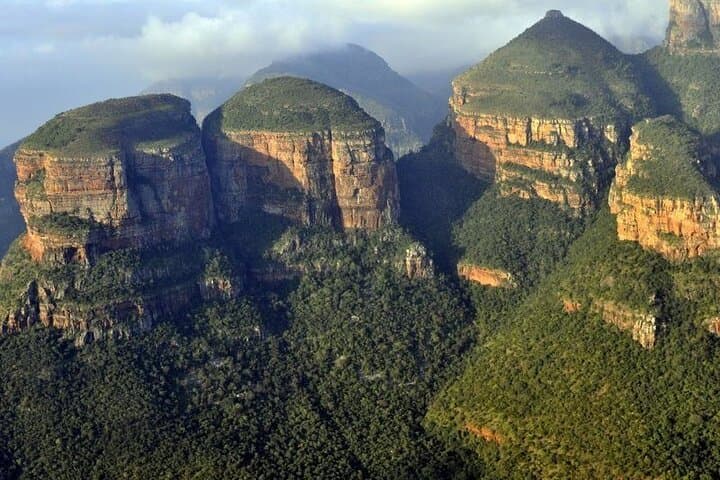
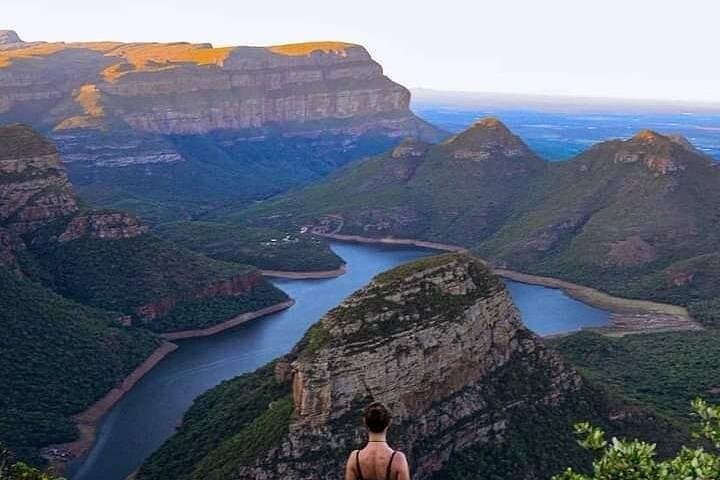
Kruger is ancient in more than its species; the landscape is a chapter of southern Africa’s geological story. The tour’s later days climb into the Lowveld’s escarpment, where the Blyde River Canyon — one of the world’s largest green canyons — exposes quartzite cliffs and the potholes of Bourke’s Luck, carved by relentless swirling water. Cultural threads run parallel: a stop at Matsamo Village offers a direct look at Swazi-speaking traditions—song, dance and everyday crafts—rooted in the region long before tourism arrived.
Expect a mix of open-vehicle game drives (sunset drives of around 3–4 hours and a full-day drive up to nine hours), a few short guided bushwalks inside Kruger, and a day of scenic stops on the Panorama Route. Transfer time from Johannesburg to Hazyview or southern Kruger is roughly 4–5 hours by private vehicle; the return follows the same pace.
Practicalities matter: conservation and park entry fees are included in this package, but guests should bring daylight layers, sturdy shoes for short hikes, and a refillable water bottle—bottled water is provided, but refills are the sustainable choice. Wildlife viewing is patience-based; dawn and dusk are best for predators, midday favors birdlife and elephants cooling in waterholes. Guides monitor wind, light and animal movements, adjusting routes when a sighting calls.
For first-timers, respect for park rules is essential—stay inside vehicles during drives unless guided to disembark, keep noise low, and never feed animals. Photographers will want a telephoto lens for game and a wide lens for the canyon panoramas; golden-hour light is exceptionally forgiving across the Lowveld.
This itinerary suits travelers who want a full Kruger immersion on a budget—simple lodges like Rio Vista and nights at park rest camps keep costs down while still offering long, private drives and a cultural stop that rounds out the experience. With thoughtful packing, early starts and a readiness to move slowly with the land, the trip delivers close encounters, sweeping geology and a direct feel for why this part of South Africa continues to draw its visitors back to the veld.
moderate.
5 days (multiple drives: 3–9 hours daily).
Suitable for travelers in average fitness; able to handle long vehicle days and short guided walks.
The private transfer typically takes about 4–5 hours to the Hazyview/ southern Kruger area, depending on traffic and pickup points.
Yes—conservation and park entry fees are listed as included in the itinerary.
Accommodation is budget-friendly, alternating between simple lodges outside Kruger and camping or rest-camp style stays within central Kruger.
The tour notes wheelchair and stroller accessibility and is suitable for a wide range of fitness levels, but long drives and uneven terrain at viewpoints may be challenging for some—check with the operator for mobility needs.
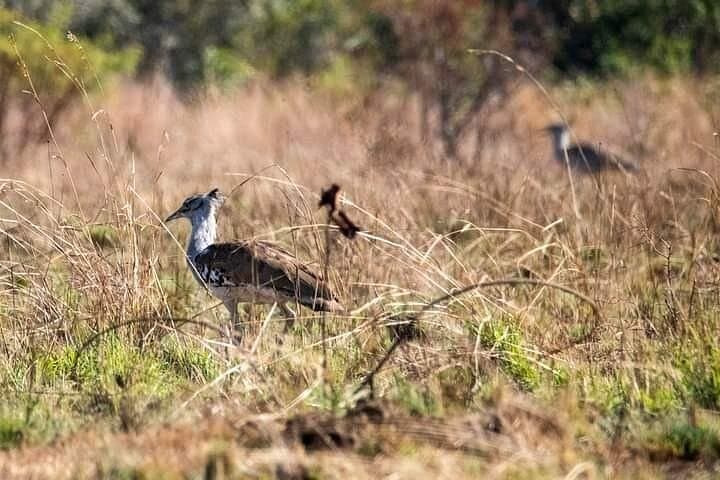
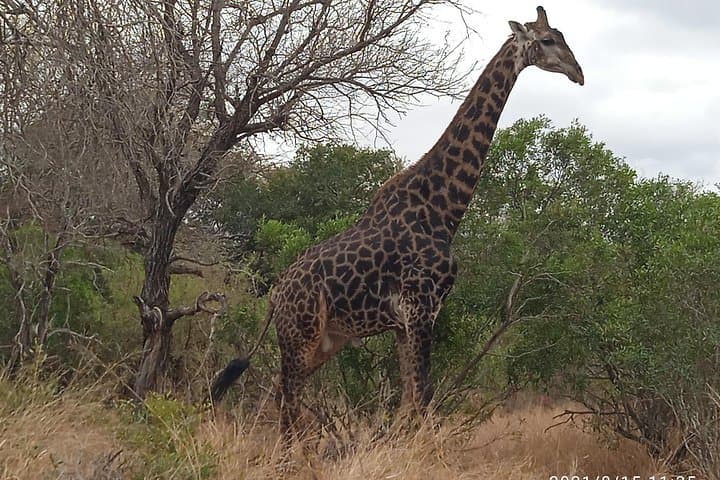
Expect large mammals such as elephants and buffalo, frequent antelope sightings, and with luck predators like lions and leopards—sightings can’t be guaranteed.
Visitors should consult a travel clinic for up-to-date health advice; parts of the Kruger area are malaria risk zones, and prophylaxis may be recommended.
The Panorama Route skirts regions shaped by ancient tectonics and early gold-era exploration—sites like Bourke's Luck carry stories from 19th-century prospectors.
Kruger manages strict vehicle and visitor rules to protect habitats; choosing refillable water and following guide instructions helps minimize impact.
Nhlalala Travel operates guided outdoor trips and adventures with an emphasis on safety, stewardship, and memorable experiences.
The first light in Kruger slices the scrub into bars of gold and shadow. A vehicle eases across red dust, the engine a soft punctuation to birdsong, and somewhere a lion’s low rumble rolls across the plain like weather. On this five-day circuit—leaving Johannesburg at dawn and looping through central Kruger, a cultural village and the Panorama Route—travelers trade the city’s pulse for the park’s slow, deliberate rhythm: game drives that stretch for hours and nights split between simple lodges and a central-camp campsite.
The first light in Kruger slices the scrub into bars of gold and shadow. A vehicle eases across red dust, the engine a soft punctuation to birdsong, and somewhere a lion’s low rumble rolls across the plain like weather. On this five-day circuit—leaving Johannesburg at dawn and looping through central Kruger, a cultural village and the Panorama Route—travelers trade the city’s pulse for the park’s slow, deliberate rhythm: game drives that stretch for hours and nights split between simple lodges and a central-camp campsite.
Kruger is ancient in more than its species; the landscape is a chapter of southern Africa’s geological story. The tour’s later days climb into the Lowveld’s escarpment, where the Blyde River Canyon — one of the world’s largest green canyons — exposes quartzite cliffs and the potholes of Bourke’s Luck, carved by relentless swirling water. Cultural threads run parallel: a stop at Matsamo Village offers a direct look at Swazi-speaking traditions—song, dance and everyday crafts—rooted in the region long before tourism arrived.
Expect a mix of open-vehicle game drives (sunset drives of around 3–4 hours and a full-day drive up to nine hours), a few short guided bushwalks inside Kruger, and a day of scenic stops on the Panorama Route. Transfer time from Johannesburg to Hazyview or southern Kruger is roughly 4–5 hours by private vehicle; the return follows the same pace.
Practicalities matter: conservation and park entry fees are included in this package, but guests should bring daylight layers, sturdy shoes for short hikes, and a refillable water bottle—bottled water is provided, but refills are the sustainable choice. Wildlife viewing is patience-based; dawn and dusk are best for predators, midday favors birdlife and elephants cooling in waterholes. Guides monitor wind, light and animal movements, adjusting routes when a sighting calls.
For first-timers, respect for park rules is essential—stay inside vehicles during drives unless guided to disembark, keep noise low, and never feed animals. Photographers will want a telephoto lens for game and a wide lens for the canyon panoramas; golden-hour light is exceptionally forgiving across the Lowveld.
This itinerary suits travelers who want a full Kruger immersion on a budget—simple lodges like Rio Vista and nights at park rest camps keep costs down while still offering long, private drives and a cultural stop that rounds out the experience. With thoughtful packing, early starts and a readiness to move slowly with the land, the trip delivers close encounters, sweeping geology and a direct feel for why this part of South Africa continues to draw its visitors back to the veld.