THE ADVENTURE COLLECTIVE® · Independent discovery and booking for outdoor travel

A brisk five-day circuit through Korea’s capital, the DMZ, the Silla capital of Gyeongju and Busan’s coast — this guided tour packs UNESCO temples, coastal shrines and vibrant markets into an easy, logistics-free itinerary. Perfect for travelers who want history, food and coastal scenery without planning the details.
A brisk five-day circuit through Korea’s capital, the DMZ, the Silla capital of Gyeongju and Busan’s coast — this guided tour packs UNESCO temples, coastal shrines and vibrant markets into an easy, logistics-free itinerary. Perfect for travelers who want history, food and coastal scenery without planning the details.
You step out beneath the broad eaves of Gyeongbokgung and the city exhales: a measured drumbeat of guard ceremony, buses releasing streams of visitors, and the distant climb toward Namsan Tower. This five-day loop moves fast — from Seoul’s palace courtyards and narrow Insadong alleys to the tense calm of the DMZ, then east to Gyeongju’s thousand-year Silla relics and finally to Busan’s wind-creased coastline and fish markets.
Verified experiences and guided adventures in the surrounding area.
Operated by Bergen travel · Seoul, Seoul
You step out beneath the broad eaves of Gyeongbokgung and the city exhales: a measured drumbeat of guard ceremony, buses releasing streams of visitors, and the distant climb toward Namsan Tower. This five-day loop moves fast — from Seoul’s palace courtyards and narrow Insadong alleys to the tense calm of the DMZ, then east to Gyeongju’s thousand-year Silla relics and finally to Busan’s wind-creased coastline and fish markets.
Historically the trip threads Joseon-era Seoul with Silla’s capital in Gyeongju (UNESCO-listed Bulguksa and Seokguram), and the modern scars and geopolitics of the Korean War at the DMZ. Geology shows in the granite basins around Gyeongju and the volcanic-broken coastline at Busan where temples like Haedong Yonggungsa cling to rocky shorelines. Culturally you’ll taste regional differences — Seoul street food and makgeolli at Gwangjang, Gyeongju’s temple cuisine, Busan’s raw seafood.
Practically, the tour is guided with private, air-conditioned transport, most admissions and scheduled meals covered (2 breakfasts, 5 lunches, 4 dinners listed), and two nights’ hotel included en route. Expect several hours of walking each day, stone steps at temples, and short drives of 3–4 hours between cities. For the DMZ you must carry your passport and follow strict security instructions; photography is restricted in places. Wear comfortable, broken-in shoes, carry a lightweight rain layer and a daypack, and leave time in evenings to explore markets on foot. This itinerary compresses Korea’s past and present into concentrated days — efficient, varied, and best suited to travelers who want cultural depth without independent logistics.
easy.
5 days (full days).
Light to moderate: comfortable walking for several hours daily, able to manage stone steps and urban terrain.
The tour includes specified meals (2 breakfasts, 5 lunches, 4 dinners) and two nights’ accommodation per the itinerary; confirm rooming options at booking.
Yes — a valid passport is required for DMZ entry and you must follow all security instructions provided by your guide.
The tour involves walking on uneven surfaces and stairs at temples and historic sites; it’s labeled easy but not recommended for those with significant mobility limitations.
The itinerary notes meals at local restaurants and some vegetarian options; provide dietary requirements when booking so the guide can arrange suitable choices.
Gyeongju was the capital of the Silla Kingdom for a millennium, leaving a dense cluster of tombs, temples and astronomical sites; the DMZ was created in 1953 at the end of the Korean War and remains a powerful historical boundary.
UNESCO protections in Gyeongju and careful site management at major temples keep fragile stonework intact; the DMZ has also become an accidental wildlife refuge, so follow paths and avoid disturbing habitats.
Bergen travel operates guided outdoor trips and adventures with an emphasis on safety, stewardship, and memorable experiences.

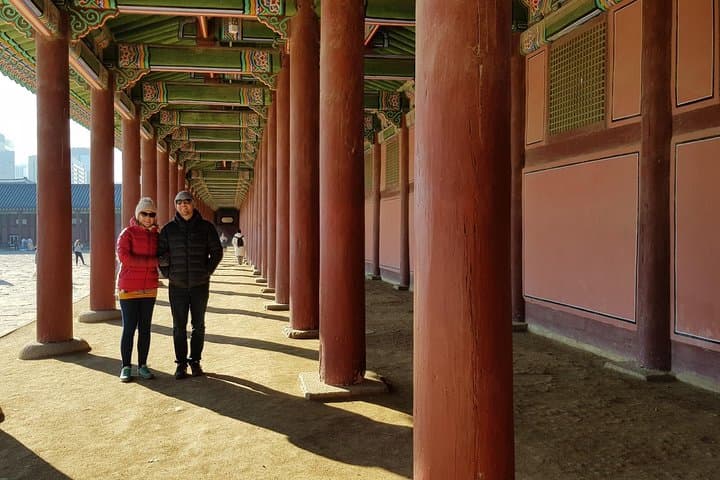


You step out beneath the broad eaves of Gyeongbokgung and the city exhales: a measured drumbeat of guard ceremony, buses releasing streams of visitors, and the distant climb toward Namsan Tower. This five-day loop moves fast — from Seoul’s palace courtyards and narrow Insadong alleys to the tense calm of the DMZ, then east to Gyeongju’s thousand-year Silla relics and finally to Busan’s wind-creased coastline and fish markets.
You step out beneath the broad eaves of Gyeongbokgung and the city exhales: a measured drumbeat of guard ceremony, buses releasing streams of visitors, and the distant climb toward Namsan Tower. This five-day loop moves fast — from Seoul’s palace courtyards and narrow Insadong alleys to the tense calm of the DMZ, then east to Gyeongju’s thousand-year Silla relics and finally to Busan’s wind-creased coastline and fish markets.
Historically the trip threads Joseon-era Seoul with Silla’s capital in Gyeongju (UNESCO-listed Bulguksa and Seokguram), and the modern scars and geopolitics of the Korean War at the DMZ. Geology shows in the granite basins around Gyeongju and the volcanic-broken coastline at Busan where temples like Haedong Yonggungsa cling to rocky shorelines. Culturally you’ll taste regional differences — Seoul street food and makgeolli at Gwangjang, Gyeongju’s temple cuisine, Busan’s raw seafood.
Practically, the tour is guided with private, air-conditioned transport, most admissions and scheduled meals covered (2 breakfasts, 5 lunches, 4 dinners listed), and two nights’ hotel included en route. Expect several hours of walking each day, stone steps at temples, and short drives of 3–4 hours between cities. For the DMZ you must carry your passport and follow strict security instructions; photography is restricted in places. Wear comfortable, broken-in shoes, carry a lightweight rain layer and a daypack, and leave time in evenings to explore markets on foot. This itinerary compresses Korea’s past and present into concentrated days — efficient, varied, and best suited to travelers who want cultural depth without independent logistics.