THE ADVENTURE COLLECTIVE® · Independent discovery and booking for outdoor travel

A compact five-day safari linking Tsavo East and West, Amboseli and Ngutuni for intense wildlife-viewing and landscape contrast. Early and late game drives maximize sightings of elephants, big cats, and hippos with Kilimanjaro as a dramatic backdrop.
A compact five-day safari linking Tsavo East and West, Amboseli and Ngutuni for intense wildlife-viewing and landscape contrast. Early and late game drives maximize sightings of elephants, big cats, and hippos with Kilimanjaro as a dramatic backdrop.
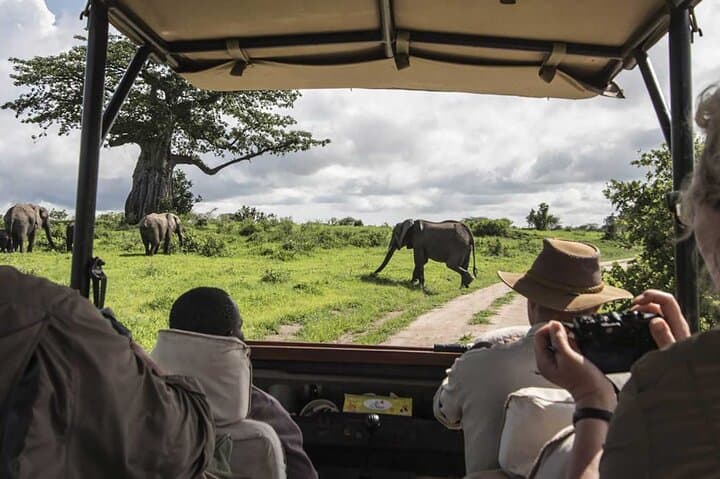
Morning light strips the sky to pale gold as the safari vehicle rumbles onto the Mombasa–Nairobi highway and the landscape opens into Tsavo’s red dust and wide horizons. You feel the heat rise off the plain; distant elephants move like slow barges through scrub while birds punctuate the air with sharp calls. Mount Kilimanjaro appears on the third day as a silent, snowy summit watching over Amboseli’s lowlands.
Verified experiences and guided adventures in the surrounding area.
Operated by Gracepatt Ecotours Kenya · Nairobi, Nairobi County
Morning light strips the sky to pale gold as the safari vehicle rumbles onto the Mombasa–Nairobi highway and the landscape opens into Tsavo’s red dust and wide horizons. You feel the heat rise off the plain; distant elephants move like slow barges through scrub while birds punctuate the air with sharp calls. Mount Kilimanjaro appears on the third day as a silent, snowy summit watching over Amboseli’s lowlands.
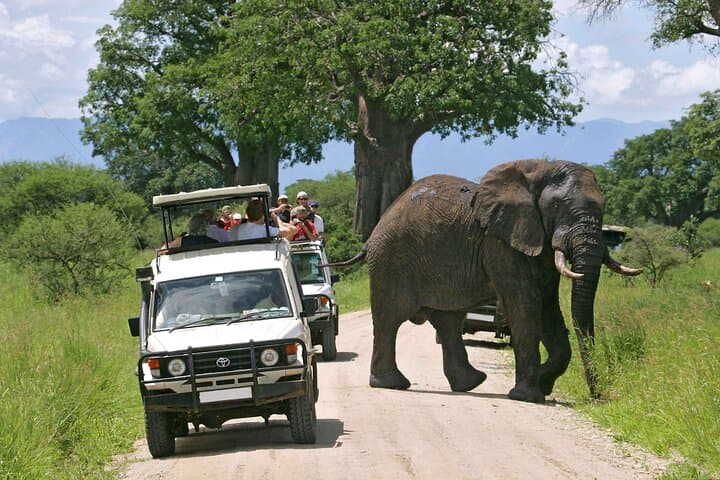
This itinerary threads four distinct conservation areas—Tsavo East and West, Amboseli and Ngutuni—each with its own geology and history. Tsavo’s iron-rich soils stain elephants a rust color; Mzima Springs in Tsavo West bubbles from an underground aquifer to create a rare freshwater refuge. Amboseli’s flat alkali plains lie at the foot of Kilimanjaro, shaped by ancient volcanic forces, while Ngutuni blends private sanctuary management with community-run conservancy models. Maasai culture remains a living presence across Amboseli’s fringes, where pastoral rhythms shape land use and wildlife movement.
Expect structured game drives at dawn and dusk, lodge accommodation, and drives between parks—pickups typically begin in Nairobi. Park fees and many meals are included; days are safari-focused, not strenuous, but require long hours on dusty roads. Bring a telephoto lens and binoculars, layer for cool mornings and hot afternoons, and carry reusable water—hydration and sun protection are essential. Respect vehicle rules, follow guides’ instructions, and allow wildlife the right of way; on a well-run 5-day circuit you’ll see large herds, predators at ambush points, and freshwater life at spring-fed pools.
moderate.
5 days.
Suitable for travelers in general good health; long periods in vehicles and short walks at lodges require basic mobility and stamina.
Pickups are typically arranged from Nairobi hotels or the airport and are included in the itinerary; confirm exact pickup point when booking.
This tour lists park fees among inclusions—verify at booking for final confirmation and any local levies.
Infants must sit on an adult’s lap; the tour is rated easy for physical demands but long drives may be tiring for very young children.
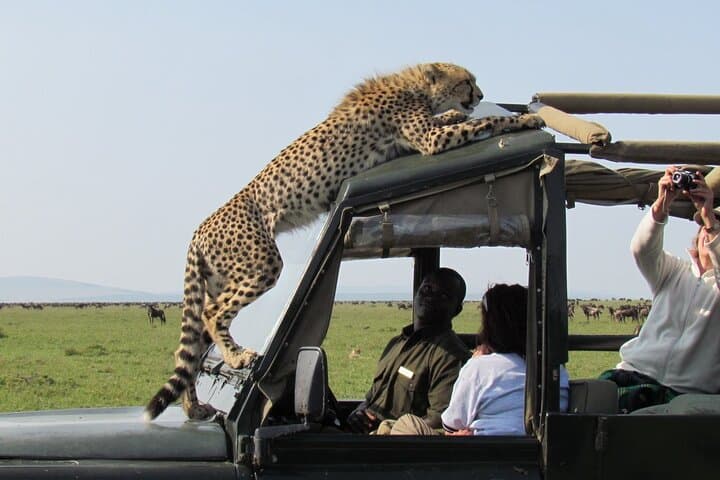
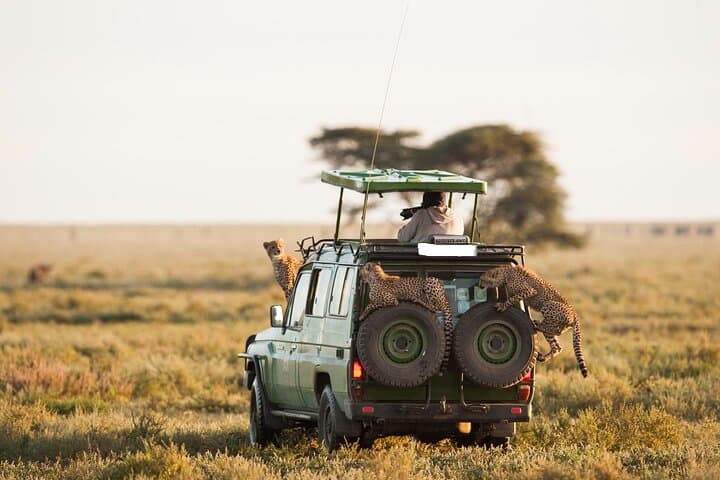
Expect large elephant herds, plain game (zebra, gazelle), and a good chance to see predators like lions and hyena; waterholes often host hippos and crocodiles.
Tsavo is known historically for the late 19th-century ‘man-eating lions’ and both Tsavo parks grew in response to conservation efforts tied to colonial-era infrastructure and railway expansion.
Many lodges partner with community conservancies and anti-poaching units; visiting supports local employment and conservation fees fund habitat protection.
Gracepatt Ecotours Kenya operates guided outdoor trips and adventures with an emphasis on safety, stewardship, and memorable experiences.
Morning light strips the sky to pale gold as the safari vehicle rumbles onto the Mombasa–Nairobi highway and the landscape opens into Tsavo’s red dust and wide horizons. You feel the heat rise off the plain; distant elephants move like slow barges through scrub while birds punctuate the air with sharp calls. Mount Kilimanjaro appears on the third day as a silent, snowy summit watching over Amboseli’s lowlands.
Morning light strips the sky to pale gold as the safari vehicle rumbles onto the Mombasa–Nairobi highway and the landscape opens into Tsavo’s red dust and wide horizons. You feel the heat rise off the plain; distant elephants move like slow barges through scrub while birds punctuate the air with sharp calls. Mount Kilimanjaro appears on the third day as a silent, snowy summit watching over Amboseli’s lowlands.
This itinerary threads four distinct conservation areas—Tsavo East and West, Amboseli and Ngutuni—each with its own geology and history. Tsavo’s iron-rich soils stain elephants a rust color; Mzima Springs in Tsavo West bubbles from an underground aquifer to create a rare freshwater refuge. Amboseli’s flat alkali plains lie at the foot of Kilimanjaro, shaped by ancient volcanic forces, while Ngutuni blends private sanctuary management with community-run conservancy models. Maasai culture remains a living presence across Amboseli’s fringes, where pastoral rhythms shape land use and wildlife movement.
Expect structured game drives at dawn and dusk, lodge accommodation, and drives between parks—pickups typically begin in Nairobi. Park fees and many meals are included; days are safari-focused, not strenuous, but require long hours on dusty roads. Bring a telephoto lens and binoculars, layer for cool mornings and hot afternoons, and carry reusable water—hydration and sun protection are essential. Respect vehicle rules, follow guides’ instructions, and allow wildlife the right of way; on a well-run 5-day circuit you’ll see large herds, predators at ambush points, and freshwater life at spring-fed pools.